
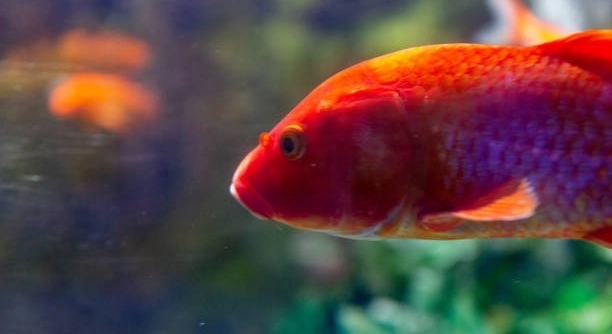
Are your cichlids constantly scratching against objects, showing faded colors, or acting strangely in their tank? These could be early signs of disease that many fish owners often overlook until it’s too late.
The most effective way to prevent cichlid disease is by maintaining clean water, providing a balanced diet, and avoiding overcrowding. These steps strengthen your fish’s immune system and reduce the chances of parasites, infections, and stress-related illnesses.
Caring for your cichlids doesn’t have to be complicated. These seven simple tips will help you keep your fish healthy and stress-free.
Keep the Water Clean and Stable
Clean water is the foundation of a healthy cichlid tank. Poor water quality leads to stress, which weakens their immune system and makes them more likely to get sick. Regular water changes are essential—at least 20–30% each week—along with vacuuming the substrate to remove waste. Invest in a reliable filtration system that supports biological, chemical, and mechanical filtration. Always dechlorinate tap water before adding it to the tank. Monitor ammonia, nitrite, and nitrate levels using test kits. Even small spikes in these readings can affect your fish. Avoid sudden changes in temperature or pH, as cichlids are sensitive to fluctuations. Stable water parameters help reduce stress and support better health overall.
Test your water weekly, and clean your filter as recommended by the manufacturer. Always check temperature, especially after water changes or equipment adjustments.
By maintaining consistency, you’re creating an environment where your cichlids can thrive with less risk of infections or stress-related conditions.
Feed a Balanced and Varied Diet
Cichlids need more than just pellets to stay healthy. A poor diet weakens their immune system and affects their color, energy, and growth.
Aim for a mix of quality cichlid pellets, frozen or live foods like brine shrimp, and fresh vegetables such as spinach or peas. Avoid overfeeding, which can dirty the water and harm their digestive health. Feeding small portions two to three times a day is better than one large feeding. Look for signs of food rejection or bloating, which may mean something in their diet needs adjusting. High-protein foods are important for many cichlid species, but always research what your specific type needs—herbivorous cichlids require more plant matter. A balanced, varied diet not only improves their immune function but also enhances color and behavior. Rotate foods often to avoid nutritional gaps. Keep the feeding area clean to reduce buildup and leftover waste, which can encourage bacteria and other harmful conditions.
Quarantine New Fish Before Adding Them
Quarantining new fish helps prevent disease from spreading in your main tank. Even healthy-looking fish can carry harmful bacteria or parasites. Use a separate tank for at least two weeks to observe their behavior and health before moving them into your cichlid tank.
Keep the quarantine tank clean and stress-free with proper filtration, aeration, and a heater set to the same temperature as the main tank. Avoid adding decorations that are hard to clean. Monitor the fish closely for signs of illness like unusual swimming, loss of appetite, or visible spots and wounds. If anything looks off, treat the issue in the quarantine tank. Do not medicate healthy fish unless needed. This step can seem like extra work, but it protects the fish you already have. Once the quarantine period passes with no signs of illness, it’s safe to transfer them carefully using a clean net.
Skipping quarantine puts your whole tank at risk. It only takes one infected fish to spread disease throughout the group. Even if fish come from a trusted source, stress from transport can weaken their immunity. Give new additions time to adjust alone. This small step keeps your cichlids safer and reduces future problems with illness and tank imbalance.
Avoid Overcrowding the Tank
Too many fish in one tank leads to stress, aggression, and poor water quality. Cichlids are territorial and need space to swim, hide, and establish dominance. Overcrowding also makes it harder to maintain stable water conditions.
Calculate tank capacity based on the adult size of your cichlids, not the size when you buy them. Overcrowded tanks increase the risk of disease due to higher waste buildup, limited swimming space, and elevated stress. Cichlids often fight when they feel cramped, which causes injuries and lowers immunity. Use rocks, caves, or plants to help define territories and break lines of sight. Avoid mixing too many different cichlid species in a small space, especially if they have different care needs. Regularly monitor tank behavior—if you notice frequent chasing or hiding, it might be time to upgrade to a larger tank or reduce your fish count. A spacious tank is not just a luxury; it’s a basic need for cichlid health and peace.
Clean Equipment and Hands Before Tank Maintenance
Dirty hands and tools can introduce harmful bacteria or chemicals into the tank. Always wash your hands with water only—no soap—before doing any work inside. Rinse nets, buckets, and siphons with hot water before and after each use.
Avoid using household cleaners near the tank. Even small traces can harm your cichlids. Keep a dedicated set of tools just for aquarium use, and store them in a clean, dry space. This extra step can help prevent contamination and keep your water conditions steady.
Watch for Early Signs of Illness
Early signs of disease include rubbing against objects, clamped fins, color changes, or unusual swimming patterns. Catching these symptoms early makes treatment easier and more effective. Isolate sick fish immediately and check your water parameters to rule out environmental stress as the cause.
Avoid Sudden Water Changes
Large, fast water changes shock your cichlids and affect their immune system. Change water slowly and consistently to maintain balance.
FAQ
How often should I change the water in my cichlid tank?
You should change 20–30% of the water once a week. This helps remove waste, maintain water quality, and reduce stress. Stick to a regular schedule to prevent buildup of harmful chemicals like ammonia and nitrates. Skipping changes can weaken your cichlids’ immune systems.
Can stress really make my cichlids sick?
Yes, stress plays a big role in fish health. Stress from poor water, overcrowding, or aggressive tank mates can lower their immunity. When cichlids are stressed, they become more likely to catch infections, show unusual behavior, and lose their color. Keeping their environment stable helps reduce this risk.
What should I feed my cichlids every day?
Feed your cichlids a variety of foods in small portions two to three times daily. High-quality pellets should be the base of their diet. Add frozen or live foods like brine shrimp or bloodworms for protein, and vegetables like peas or spinach for fiber. This mix supports their overall health.
Why is my cichlid rubbing against rocks or decorations?
This is often a sign of irritation, possibly from parasites or poor water quality. Test your water for ammonia, nitrite, and pH issues first. If those levels are safe, your fish may have an external parasite like ich. Treat the problem early with proper medication in a separate tank if needed.
Do I need to quarantine every new fish?
Yes, always quarantine new fish for at least two weeks before adding them to your main tank. Even if they look healthy, they may carry hidden infections. This extra step protects your existing cichlids from avoidable outbreaks and gives new arrivals time to adjust to their new environment.
How can I tell if my cichlid is sick?
Look for behavior changes like hiding, not eating, swimming oddly, or gasping at the surface. Physical signs may include white spots, red streaks, cloudy eyes, or bloating. Any of these symptoms could signal an illness. Act fast by testing the water and isolating the fish if necessary.
What causes cichlids to lose their color?
Color loss is often linked to stress, poor nutrition, or illness. Crowded tanks, unstable water, or bullying can dull their colors. A balanced diet rich in nutrients helps keep their color vibrant. If they’re healthy and still fading, test your water or check for signs of disease.
Can I mix different cichlid species in one tank?
It depends on the species. Some cichlids are more aggressive than others. African and South American cichlids usually should not be kept together. Make sure each species has enough space and hiding spots to reduce aggression. Research compatibility before adding new fish to avoid conflict and stress.
What’s the ideal temperature for a cichlid tank?
Most cichlids prefer water between 75°F and 80°F (24°C to 27°C). Use a reliable heater to keep the temperature steady. Sudden changes, even a few degrees, can stress your fish and make them more prone to illness. Always check temperature during water changes or equipment adjustments.
How do I stop aggression between my cichlids?
Provide enough space and hiding spots using rocks or caves. Avoid overcrowding, and try to keep a proper male-to-female ratio, especially with aggressive types. Rearranging decorations can break up territories and reduce dominance behavior. In some cases, separating overly aggressive fish may be necessary for the group’s health.
Final Thoughts
Keeping your cichlids healthy does not have to be difficult. With a few simple habits, you can reduce the risk of disease and help your fish live longer, happier lives. Clean water, a good diet, and enough space are the basic steps that make the biggest difference. Taking time each week to test water levels, clean equipment, and observe your fish helps you catch problems early. You don’t need to use complicated products or routines. Just stay consistent, and your cichlids will show signs of health through their color, energy, and behavior.
Many fish owners run into issues because they skip small steps, like quarantining new fish or watching for early signs of illness. These habits may seem minor, but they protect your tank from serious problems later. Quarantine helps stop infections from spreading, and recognizing symptoms early gives you a better chance of successful treatment. Avoiding overcrowding is also important. Cichlids are territorial, and too many fish in one tank causes stress, injuries, and even death. If your tank is too full, it may be time to upgrade or reduce your fish count. A calm, balanced tank gives your cichlids space to show their natural behavior.
Each tank is different, and over time, you’ll learn what works best for your setup. Stay patient and make changes slowly, especially when adjusting temperature, diet, or tank mates. Keep your tools clean, your hands free of soap, and your tank away from harmful chemicals. These small efforts go a long way toward disease prevention. Cichlids are active, colorful, and full of personality. When their environment is well cared for, they thrive and become more enjoyable to watch. If something feels off in your tank, trust your instincts and check the basics first. Simple routines, done regularly, can prevent most common problems. Keeping your cichlids safe is not about doing everything perfectly—it’s about being steady, careful, and responsive.

Hello,
If you enjoy the content that we create, please consider saying a "Thank You!" by leaving a tip.
Every little bit helps us continue crafting quality advice that supports the health, happiness, and well-being of pets around the world, for pets of all shapes, sizes, and species.
We really appreciate the kindness and support that you show us!