
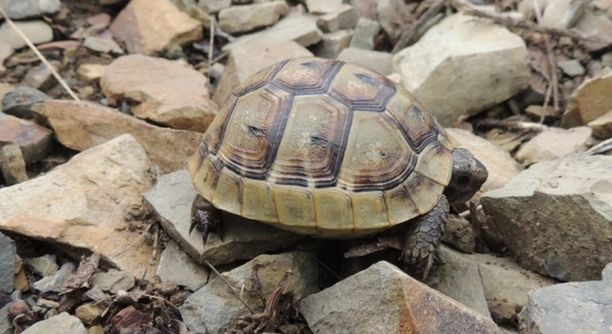
A healthy Russian tortoise requires attention and care to prevent illness. Understanding the basic needs of these pets helps keep them strong and happy. Maintaining proper conditions can prevent many common health issues and ensure a long, healthy life.
The key to preventing sickness in your Russian tortoise lies in providing a balanced diet, proper habitat conditions, regular checkups, and attention to their daily needs. Consistent care and routine monitoring are essential for maintaining their overall well-being and longevity.
Understanding these simple steps can help protect your tortoise from illness and keep it thriving for years to come.
Proper Diet and Nutrition
A balanced diet is essential for the health of your Russian tortoise. These reptiles are herbivores and thrive on a variety of vegetables, greens, and some fruits. Providing fresh, organic greens such as dandelion leaves, collard greens, and clover ensures they get the nutrients they need. Avoid feeding them high-protein foods like lettuce or fruit too often, as these can lead to digestive problems. Make sure to include calcium-rich foods to support strong bones, as Russian tortoises are prone to shell and bone issues. Adding a calcium supplement to their diet can help prevent deficiency.
An important aspect of feeding your tortoise is offering a variety of greens to mimic their natural foraging habits. This not only helps ensure they receive adequate nutrients but also keeps them mentally stimulated. Additionally, keep fresh water available at all times.
A proper diet will boost your tortoise’s immune system, improve digestion, and help maintain a healthy weight. Pay attention to portion sizes to avoid obesity, a common issue with improperly managed feeding schedules.
Habitat and Environment
Your tortoise’s environment directly affects its health. They need a warm, dry space to thrive, with the right humidity levels.
Keep the habitat at a consistent temperature, ideally between 75-85°F, with a basking area of around 90°F. This will allow your tortoise to regulate its body temperature. Ensure the enclosure is large enough for them to move around freely, as they need space to exercise. Avoid damp conditions that can lead to respiratory issues.
Maintaining a clean habitat is also crucial for preventing bacterial infections. Clean the bedding regularly and remove uneaten food to keep their living area hygienic. Use non-toxic materials for the enclosure and avoid using chemicals around their space. The right environment supports healthy growth, helping your tortoise stay strong and disease-free.
Regular Veterinary Checkups
Routine checkups with a reptile-savvy veterinarian are key to preventing illness. A vet can spot early signs of disease or nutritional imbalances that may not be visible to you. Make sure to schedule regular visits, even if your tortoise seems healthy. Early intervention is always better than waiting for symptoms to appear.
Veterinarians will examine your tortoise’s shell, skin, eyes, and overall health to ensure everything is functioning properly. They can also give advice on diet, habitat, and preventative care. They will likely recommend fecal exams to check for parasites, which can be a hidden cause of health problems.
While it may seem unnecessary, regular visits can extend your tortoise’s life and prevent more serious issues down the line. Even small changes in behavior or appearance can signal an underlying health problem that requires attention.
Temperature Regulation
Maintaining proper temperature regulation is crucial for your Russian tortoise’s well-being. Too cold, and they become sluggish and unable to digest food; too hot, and they risk dehydration and overheating.
Use heat lamps or ceramic heaters to maintain consistent warmth in the basking area. A thermostat can help you monitor the temperature closely, ensuring that it doesn’t fluctuate too much. Regularly check that the heat source is working properly to avoid unexpected drops or rises in temperature. If the temperature fluctuates too much, it could stress your tortoise, leading to immune system issues.
Always provide areas of shade for them to cool off and avoid overheating. Proper temperature management helps support digestion and immune health, as well as general comfort.
Hydration
Ensure your Russian tortoise stays hydrated. While they get some moisture from the food they eat, it’s important to provide fresh water daily. This helps with digestion and overall health. Dehydration can lead to severe health issues like kidney problems and poor shell growth.
In addition to water, misting your tortoise’s habitat lightly can help maintain humidity levels. This provides a slight moisture boost and keeps their skin healthy. Never let the environment get too dry, as it can cause respiratory issues and dehydration over time.
Shell Care
A healthy shell is a sign of a healthy tortoise. Inspect your tortoise’s shell regularly for signs of damage, deformities, or discoloration. A rough or soft shell may indicate a calcium deficiency or an infection.
If you notice any abnormalities, contact a vet immediately. Avoid handling your tortoise roughly, as this can stress them out and potentially harm their shell. Regular shell checks can catch early signs of health issues, leading to quicker treatment and recovery.
Stress Reduction
Stress can affect your tortoise’s immune system, making them more susceptible to illness. Minimize stress by keeping their environment stable and free from sudden changes.
Avoid loud noises and excessive handling. Tortoises also prefer peace and quiet, so give them time to adjust to new spaces. A stress-free tortoise is a healthy tortoise, as it allows their body to function properly and fight off infections.
FAQ
How often should I feed my Russian tortoise?
Feed your Russian tortoise every day, but make sure to offer smaller portions. They should have access to fresh greens like dandelion leaves, kale, and other leafy vegetables. You can give them a small amount of fruit occasionally, but avoid overfeeding it. The balance of foods will help prevent obesity and ensure they get the nutrients they need. Overfeeding can also result in digestive issues, so always monitor how much they are eating.
What kind of enclosure does my tortoise need?
A Russian tortoise needs a large, secure enclosure with enough room to roam. A minimum size would be 4 feet by 2 feet, but larger is better for their well-being. Ensure the habitat has a warm basking area and a cooler shaded area to help regulate their temperature. You can use a large plastic storage container, wooden box, or a commercial tortoise table. Just be sure there’s plenty of space to move around, and the walls are high enough to prevent escapes. A secure enclosure will keep your tortoise safe and stress-free.
Can I let my Russian tortoise roam outside?
Yes, but only when the weather is warm and safe. Russian tortoises can enjoy some supervised outdoor time in a secure, enclosed area. Be sure there are no predators or dangerous plants that they could ingest. The outside environment should also be free of any chemicals, like pesticides. Keep the outdoor excursions short and always supervise them. This will give your tortoise a chance to explore, which is beneficial for their mental stimulation and overall happiness.
What temperature should I keep my tortoise’s enclosure?
Your Russian tortoise’s enclosure should be kept at 75-85°F during the day, with a basking area that reaches around 90°F. At night, you can let the temperature drop to around 65°F to mimic natural conditions. If your home is too cold, you may need to use a heat lamp or ceramic heater to maintain the proper temperatures. Keeping their environment consistent helps your tortoise regulate its body temperature and encourages healthy digestion. Temperature fluctuations can stress your tortoise, so it’s best to avoid large changes.
Do I need to provide UVB light for my tortoise?
Yes, UVB light is essential for your Russian tortoise’s health. UVB rays help them synthesize vitamin D3, which is necessary for calcium absorption. Without it, your tortoise can develop metabolic bone disease, leading to shell deformities and other health issues. Provide a UVB bulb designed for reptiles, and replace it every six months as the light’s effectiveness can decrease over time. Place the light within 12-18 inches of the basking spot, and make sure your tortoise can bask under it for several hours each day.
How do I know if my Russian tortoise is sick?
Signs of illness in a Russian tortoise include lack of appetite, lethargy, watery eyes, or abnormal shell growth. A healthy tortoise should be active, alert, and eating regularly. If you notice any of these symptoms, it’s important to consult a vet immediately. Shell rot, respiratory infections, and other diseases can progress quickly if left untreated. Regular checkups are also a great way to catch potential health issues early before they become serious problems.
Can I bathe my Russian tortoise?
Yes, giving your Russian tortoise a bath can help keep them hydrated and promote good digestion. Fill a shallow dish with warm water and let your tortoise soak for about 15-20 minutes. Ensure the water is not too hot, as this can cause stress. Bathing also helps to clean any dirt or debris from their shell, which can be helpful for their overall health. Be sure to dry them off properly after their bath to avoid chilling. A bath should not replace proper hydration from fresh water, but it’s a good supplement.
What should I do if my tortoise isn’t eating?
If your Russian tortoise is not eating, first check the temperature and humidity of their habitat. Changes in either can cause a loss of appetite. Stress, illness, or an improper diet can also be factors. If your tortoise hasn’t eaten for several days or shows other signs of illness, it’s important to consult a vet. A lack of food intake could lead to health problems if not addressed promptly. Make sure the food offered is fresh and appropriate for their diet, and that it’s cut into manageable pieces.
Is it normal for my tortoise to hide a lot?
Yes, Russian tortoises are known to spend a lot of time in hiding. It’s part of their natural behavior, especially when they feel stressed or need rest. Make sure there are plenty of hiding spots in their enclosure, such as a small shelter or rocks. If they are hiding a lot but still eating and drinking normally, there’s usually no need to worry. However, if hiding is accompanied by other signs of illness, such as a lack of appetite or lethargy, it’s best to consult a vet.
How do I prevent parasites in my Russian tortoise?
To prevent parasites, always ensure that your tortoise’s food is clean and free from pesticides or harmful chemicals. Avoid letting them eat from areas where other animals may have defecated. Regular fecal exams at the vet can help catch any hidden parasites before they cause significant health problems. Keep the habitat clean, and disinfect it periodically to eliminate bacteria and parasites. Proper hygiene and regular veterinary care will keep your tortoise healthy and parasite-free.
Final Thoughts
Caring for a Russian tortoise requires attention to their specific needs and a consistent environment. Proper diet, hydration, and a well-maintained enclosure are all essential for their health and well-being. By offering the right mix of greens and occasional fruits, along with fresh water every day, you can ensure your tortoise receives the nutrients it needs. Maintaining proper temperature and humidity levels in their habitat, along with the use of UVB lighting, will support their natural behaviors and physical development. These steps will go a long way in preventing illnesses and promoting a long, healthy life.
It’s important to regularly monitor your tortoise’s behavior and look for any signs of distress or illness. Observing their eating habits, energy levels, and shell condition can help you catch any issues early. If your tortoise is not eating, seems lethargic, or shows any unusual behavior, it’s essential to seek advice from a veterinarian who specializes in reptiles. Quick action can often prevent more serious health problems from developing. Routine health checkups can also help you stay ahead of any potential issues and keep your tortoise in good shape.
With the right care and attention, your Russian tortoise can thrive in your home for many years. Creating a stable and safe environment for your pet will not only help prevent illness but also ensure it is happy and active. They are fascinating creatures and can make great companions when given the right care. By keeping their habitat clean, offering a balanced diet, and maintaining their health, you’ll be giving them the best chance to live a long and comfortable life.

Hello,
If you enjoy the content that we create, please consider saying a "Thank You!" by leaving a tip.
Every little bit helps us continue crafting quality advice that supports the health, happiness, and well-being of pets around the world, for pets of all shapes, sizes, and species.
We really appreciate the kindness and support that you show us!