
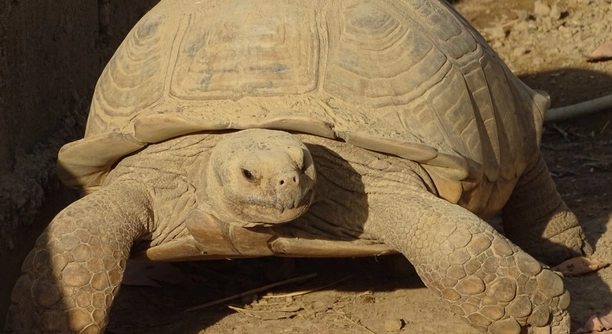
Sulcata tortoises are wonderful, gentle creatures that require a safe and secure environment to thrive. Understanding their needs helps create a space where they feel comfortable and stress-free.
To make your sulcata tortoise feel safe, provide a stable habitat with proper temperature, hiding spots, and a balanced diet. Ensuring consistency in their surroundings helps reduce anxiety and encourages positive behavior. Regular interaction also builds trust.
By following these simple steps, you can help your tortoise feel more at ease. Keeping their space secure and offering proper care goes a long way in building a trusting relationship with your pet.
Create a Comfortable Habitat
A sulcata tortoise’s habitat plays a major role in making them feel safe. They are used to dry, open spaces, but they also need access to shaded areas and a warm environment. Their home should include a spacious enclosure with soft bedding like hay or grass. The temperature should be kept steady, with a basking area for warmth and cooler spots for resting. Humidity should be carefully monitored, as too much moisture can lead to health issues. Having a consistent day-night cycle is important, too, as it mimics their natural environment.
If you live in an area with extreme temperatures, an indoor setup might be necessary. Be sure to use heat lamps to provide adequate warmth and UVB lighting to simulate natural sunlight. Giving your tortoise space to roam and explore, even in a small indoor setup, can significantly improve their mood and sense of security.
It’s essential to maintain a clean environment in the habitat to prevent stress and sickness. Regularly remove waste and replace the bedding to ensure their space is as comfortable as possible. If they are housed outside, a sheltered spot to retreat from rain or strong winds can help them feel secure.
Provide Hiding Spots
Tortoises are naturally shy creatures, and giving them somewhere to hide helps reduce their anxiety.
Providing hiding spots is one of the easiest ways to make your tortoise feel safe. A small cave or shelter made from rocks, logs, or even a box can offer a private space where they can retreat when feeling overwhelmed. A hiding spot encourages relaxation and reduces stress. Make sure it’s big enough for them to move around in, but not too large that it makes them feel exposed. When they have the option to retreat, they are likely to feel more secure in their environment.
Keep a Consistent Feeding Schedule
Feeding your sulcata tortoise at the same time every day helps them feel safe and secure. They appreciate routine and are less likely to feel stressed when they know what to expect.
A consistent feeding schedule not only helps keep your tortoise healthy but also builds trust. They quickly learn to associate you with their mealtime, which can improve your bond. Offering fresh vegetables and high-fiber hay on a regular basis ensures they get the right nutrients. Be sure to avoid overfeeding, as this can cause health issues like obesity or digestive problems.
Tortoises also benefit from a diet that mirrors their natural feeding habits. In the wild, they graze on grasses and low-lying plants. Replicating this diet with proper food choices, along with fresh water, will keep them feeling comfortable. Over time, your tortoise will associate you with providing their needs, making them more likely to trust you.
Handle with Care
How you handle your tortoise matters in helping them feel safe. Sudden movements or loud noises can startle them, causing stress. Always move slowly and calmly when approaching or picking up your tortoise.
Handling your sulcata tortoise with gentle care promotes trust. Avoid grabbing or forcing them into situations where they feel threatened. Instead, let them come to you, and if you need to pick them up, support their body properly with both hands. This helps prevent injury and makes them feel secure in your presence.
When handling them, keep them low to the ground or on a soft surface. This ensures they won’t get hurt if they panic and try to escape. If they retreat into their shell, respect that space and give them time to calm down. Being patient and calm during interactions will help your tortoise feel safer in your care.
Offer Plenty of Space to Roam
A sulcata tortoise needs space to explore, as this promotes physical and mental well-being. Crowded or cramped environments can cause stress and hinder natural behaviors.
Ensure the enclosure is large enough for your tortoise to move freely. Sulcatas are active and enjoy walking long distances. A spacious area allows them to engage in their natural behaviors, like foraging, digging, and basking. Over time, they’ll become more confident and comfortable in their surroundings. Keeping the space clean and uncluttered also helps them feel safe.
Monitor Temperature and Humidity Levels
Temperature and humidity levels in your tortoise’s environment must be stable. Too hot or too cold can cause stress and health problems.
Maintaining the right temperature helps regulate your tortoise’s metabolism and activity levels. They need a basking area that is around 90–95°F, with cooler areas for resting. Humidity should be low, similar to the desert climate they are used to, but be sure to provide fresh water for hydration. A thermometer and hygrometer will help you keep track of these levels and adjust accordingly to create a comfortable, safe environment.
Be Patient with Your Tortoise
Patience is key in building trust with your sulcata tortoise. Rushing or forcing interactions will make them feel unsafe.
Allow your tortoise to approach you at their own pace. With time, they will become more comfortable and relaxed in your presence. Let them move around and explore their environment on their terms. Trying to rush a relationship with your tortoise can cause unnecessary stress and slow the bonding process. The more patient you are, the more your tortoise will trust you.
FAQ
How can I tell if my sulcata tortoise is stressed?
Stress in a sulcata tortoise can manifest in several ways. If your tortoise is hiding more than usual, moving erratically, or displaying a lack of interest in food, it could be a sign of stress. Physical signs like shell discoloration, drooping limbs, or excessive breathing may also indicate discomfort. Stress can stem from environmental factors, such as improper temperature or humidity levels, overcrowding, or insufficient hiding spots. Keeping their habitat clean, maintaining a stable environment, and giving them proper space can help reduce these symptoms.
Is it okay to handle my tortoise every day?
Handling your tortoise daily is not always necessary and may actually cause stress if not done properly. Tortoises are naturally independent animals and prefer to move at their own pace. It’s best to handle them gently and sparingly. Frequent handling can disturb their natural behavior, especially if they feel threatened. If you need to handle them, try to keep it to a few times a week, and always be slow and careful. Let them move in and out of their shell without forcing interaction.
What type of lighting do I need for my sulcata tortoise?
Sulcata tortoises need UVB lighting to help them synthesize vitamin D3 and maintain strong bones. In captivity, they require both a heat lamp and a UVB light to simulate their natural sunlight exposure. A heat lamp should provide a basking spot at about 90-95°F, while the UVB light should cover the entire enclosure to mimic natural sunlight. Ensure the UVB bulb is placed within 12 inches of your tortoise to be effective. Change the UVB bulb every six months, as they lose their effectiveness over time.
Can I keep my sulcata tortoise outdoors?
Yes, you can keep a sulcata tortoise outdoors if you live in a warm climate. They thrive in hot, dry environments and prefer to spend most of their time outdoors. However, you need to ensure that the outdoor area is secure, as sulcatas are known to escape if given the chance. The enclosure should have high walls and a roof to protect them from predators. Additionally, provide shaded areas for them to retreat from the sun, and make sure there’s fresh water available at all times. If temperatures drop too low, it’s safer to bring them inside.
What should I feed my sulcata tortoise?
Sulcata tortoises are herbivores, and their diet should consist mostly of grasses, weeds, and hay. A variety of fresh leafy greens such as dandelion greens, collard greens, and mustard greens can also be offered. You can occasionally feed them other vegetables like squash or bell peppers. Avoid high-protein foods, such as fruits and animal products, as they can cause kidney problems. It’s essential to offer them a good-quality hay, like timothy hay, to provide fiber for digestion. Make sure fresh water is available at all times. Supplements like calcium powder can be sprinkled on their food to ensure they get the necessary nutrients.
Do sulcata tortoises need a companion?
Sulcata tortoises are solitary animals by nature and do not need companions. In fact, adding another tortoise to their enclosure may cause stress and territorial disputes. While they may tolerate the presence of another sulcata, it’s often better to keep them alone to avoid potential conflicts. If you do decide to introduce another tortoise, ensure that there’s plenty of space and hiding spots to minimize tension. Generally, one sulcata tortoise is happy on its own as long as its needs are met.
How big should the enclosure be for my sulcata tortoise?
The size of your tortoise’s enclosure is important for its well-being. For a young sulcata, a minimum of 4×8 feet is recommended. As they grow, you will need a larger space. An adult sulcata requires a minimum of 8×10 feet, but bigger is always better. The more space they have, the more they can engage in natural behaviors like foraging and walking. The enclosure should have both basking and shaded areas to regulate body temperature, as well as plenty of room to roam. Providing outdoor space is ideal, but indoor enclosures should be spacious and comfortable too.
How can I keep my sulcata tortoise hydrated?
While sulcata tortoises are adapted to dry environments, they still need water to stay hydrated. Ensure fresh water is always available in a shallow dish that they can easily access. You can also occasionally soak your tortoise in lukewarm water for about 15 minutes to help with hydration. This can encourage them to drink more and help with their overall health. Be sure not to use water that’s too cold, as it can stress your tortoise. Regular hydration is key to preventing issues like dehydration and kidney problems.
Are sulcata tortoises good pets for beginners?
Sulcata tortoises can be a good pet for beginners, but they do require a lot of attention, proper care, and a suitable environment. They are long-lived, often reaching 50 years or more, so owning one is a long-term commitment. Beginners should be prepared to provide them with an appropriate enclosure, correct lighting, and a diet rich in fiber. If you’re ready to meet these needs, they can make wonderful pets. However, they do grow large, and maintaining their care can be a challenge as they get bigger. Do thorough research before getting one to make sure they’re a good fit for your lifestyle.
Final Thoughts
Taking care of a sulcata tortoise requires attention to their needs and patience. These tortoises are hardy animals that can thrive in the right environment, but they depend on their owners to create a safe and comfortable space. A stable habitat with proper temperature, humidity, and enough space is key to keeping them happy and healthy. Providing hiding spots, consistent food, and regular hydration also plays a big role in their overall well-being. The effort you put into understanding their behavior and providing the best care will help build trust and strengthen your bond with them.
Sulcata tortoises are relatively low-maintenance pets compared to other animals, but they do require specific conditions to feel secure. A proper diet, the right lighting, and a comfortable environment are all crucial for their long-term health. As long as these basic needs are met, your tortoise can live a long and fulfilling life. These tortoises may not be as interactive as some pets, but they can be fascinating to watch and rewarding to care for. They thrive in a peaceful and consistent routine, and will gradually grow more comfortable with you over time.
Owning a sulcata tortoise can be a fulfilling experience if you’re ready to meet their needs. They are gentle and relatively easy to care for, making them a good choice for those who are willing to invest time and effort into their care. With proper knowledge and commitment, your tortoise will have a safe and comfortable life. Whether they’re indoors or outdoors, creating a secure and nurturing environment will ensure your sulcata tortoise feels safe and well cared for. By following the simple guidelines mentioned, you’ll be able to provide the best care and enjoy watching your tortoise thrive.

Hello,
If you enjoy the content that we create, please consider saying a "Thank You!" by leaving a tip.
Every little bit helps us continue crafting quality advice that supports the health, happiness, and well-being of pets around the world, for pets of all shapes, sizes, and species.
We really appreciate the kindness and support that you show us!