
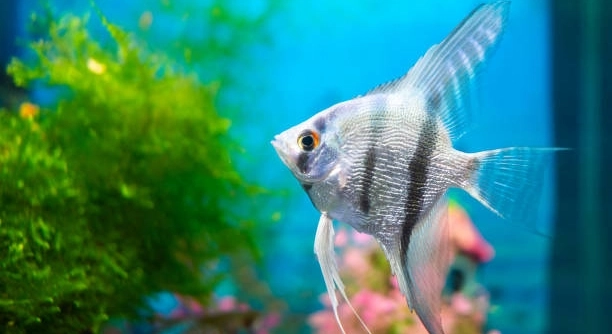
Angelfish are beautiful and graceful creatures, but sometimes they may seem sluggish or inactive. You can help boost their energy levels and ensure they thrive in their tank. Here are simple ways to encourage a livelier fish.
Maintaining a clean tank, providing the right water temperature, and feeding a balanced diet are key to ensuring your angelfish stays active. Regular water changes, proper lighting, and offering stimulating tank decorations can also help encourage activity and overall health.
There are a few effective methods to help your angelfish stay active. By adjusting their environment and routine, you’ll encourage them to become more energetic and lively in their space.
1. Maintain Clean Water
A clean tank is one of the most important factors in keeping your angelfish active. Dirty water can lead to stress, which may cause them to become lethargic. Regular water changes are necessary to ensure proper water quality. Make sure the filtration system is working well and remove any waste buildup that could harm your fish. Keeping the tank clean not only helps with the fish’s activity but also improves their overall health and longevity.
Changing the water weekly helps avoid toxic buildup that can stress the fish. It also ensures oxygen levels remain high, which is crucial for their activity levels. Be sure to also clean the substrate and any decorations.
Routine maintenance can prevent the growth of harmful bacteria that make your angelfish sluggish. Maintaining clean water helps provide a safe environment, so they can swim freely and energetically. Remember to monitor the water’s temperature, pH, and ammonia levels as well.
2. Set the Right Temperature
Angelfish thrive in water temperatures between 76°F and 82°F. Maintaining a steady temperature ensures they feel comfortable and active. If the water is too cold or too hot, your angelfish might become lethargic and stressed.
A stable temperature allows angelfish to digest their food properly and encourages regular swimming. Temperature fluctuations can disrupt their behavior, causing them to hide or stay still. You can use a reliable aquarium heater to maintain consistency in the tank’s environment. A thermometer will help you monitor the water temperature throughout the day.
With the right temperature, your angelfish will feel more at ease in their environment, promoting healthy, active behavior. Keep the tank away from direct sunlight or drafts to avoid unexpected temperature changes. Consistent warmth is key for their well-being and energy.
3. Provide a Balanced Diet
Feeding your angelfish the right foods plays a big part in their energy levels. A well-balanced diet ensures they have the nutrients needed for activity and overall health. Include high-quality flakes, pellets, and occasional live foods to vary their nutrition.
Offer a mix of protein-rich foods, like brine shrimp or bloodworms, along with plant-based options such as spirulina. This variety promotes their vitality and helps them stay active. Overfeeding can lead to lethargy, so stick to small portions they can consume within a few minutes. Remove any uneaten food to maintain water quality.
A proper diet supports not only their activity but also their immune system. Healthy, well-fed angelfish are more likely to swim around and explore their tank. Their metabolism benefits from a diverse diet, which boosts energy levels and keeps them healthy. Regular feeding at consistent times also helps maintain a routine.
4. Offer Tank Enrichment
Angelfish are curious creatures and enjoy exploring their surroundings. Providing a variety of tank decorations, plants, and hiding spots can encourage them to stay active. Items like driftwood, rocks, and artificial plants give them opportunities to swim around and interact with their environment.
Adding different levels within the tank, such as tall plants or floating structures, can help them exercise. This setup mimics their natural habitat, where they would swim and explore constantly. The more stimulating the environment, the more likely they will be to stay active and engaged.
Tank enrichment also reduces boredom, which can lead to inactivity. By offering a variety of items to interact with, you create an environment that encourages your angelfish to stay active and explore regularly. Keeping the tank interesting promotes their physical and mental health.
5. Keep Lighting Consistent
Proper lighting helps regulate your angelfish’s activity levels. A consistent day-night cycle is essential for their well-being. Aim for about 10-12 hours of light per day to mimic their natural environment.
Using a timer for the aquarium light ensures that the cycle is regular and prevents disruption. Avoid leaving the lights on too long, as it can stress the fish. A stable lighting schedule will encourage them to be more active during daylight hours.
6. Avoid Overcrowding the Tank
Overcrowding your tank can cause stress and limit your angelfish’s movement. When fish feel crowded, they may become sluggish and hide more often.
Ensure the tank has enough space for your angelfish to swim freely. A general rule is 1 inch of fish per gallon of water, but it’s best to provide extra room if possible. Fish with more space tend to be more active and healthy.
7. Provide Appropriate Tank Mates
Choosing the right tank mates is crucial for an active and healthy environment. Aggressive fish can stress your angelfish, causing them to become inactive or hide.
Tank mates should be peaceful species that don’t compete for food or territory. Avoid overly large or fast-moving fish that may intimidate your angelfish. By selecting suitable companions, you ensure your fish remain active and comfortable.
FAQ
How can I tell if my angelfish is too stressed?
Stressed angelfish often display signs like hiding more than usual, swimming erratically, or rubbing against tank surfaces. They may also stop eating or appear lethargic. Stress can be caused by poor water conditions, overcrowding, or aggressive tank mates. Keep an eye on these behaviors to identify stress early.
What is the best tank size for angelfish?
Angelfish thrive in tanks of at least 30 gallons. Larger tanks are even better, especially if you plan to keep more than one angelfish or other fish species. A larger tank gives them more space to swim, reduces stress, and helps maintain better water quality.
Can I keep angelfish with other types of fish?
Yes, but choosing compatible species is important. Angelfish generally do well with peaceful species that are similar in size. Avoid aggressive fish or smaller species that may be harassed or eaten. Good tank mates include tetras, gouramis, and other peaceful fish. Research before adding new tank mates to ensure compatibility.
How do I make sure my angelfish is eating enough?
Monitor your angelfish’s eating habits by offering a variety of food, such as high-quality flakes, pellets, and occasional live food. If they’re not eating, check the water quality and ensure the food isn’t contaminated or old. Remove any uneaten food promptly to maintain water health.
How often should I feed my angelfish?
Feed your angelfish once or twice a day, offering only as much as they can eat in about 2-3 minutes. Overfeeding can lead to health issues and poor water quality. Regular feeding at the same time each day helps keep a routine and ensures they get the proper nutrition.
Why is my angelfish swimming in circles?
Swimming in circles can be a sign of stress, illness, or boredom. If your angelfish displays this behavior, check the water conditions and the tank environment. Stress from poor water quality, overcrowding, or tank mates could be the issue. If the behavior persists, consider consulting a vet.
Do angelfish need a filter?
Yes, a filter is essential for maintaining water quality and keeping your angelfish healthy. It helps remove waste, debris, and excess food, preventing toxic buildup. Make sure the filter flow isn’t too strong, as angelfish prefer calmer waters. Regularly clean the filter to keep it running efficiently.
How can I prevent my angelfish from becoming too shy?
If your angelfish is hiding, it could be due to environmental stress, inadequate tank mates, or improper lighting. Ensure the tank is well-decorated with plenty of hiding spots, but also open swimming areas. Avoid overly aggressive tank mates and provide a stable environment with proper lighting and water quality.
Why is my angelfish not swimming around?
If your angelfish is not swimming around, it could be a sign of poor water conditions, illness, or stress. Ensure the water temperature is within the proper range and that the tank is clean. A lack of tank enrichment or overcrowding may also contribute to their inactivity.
What temperature should I keep my angelfish tank?
Angelfish do best in water temperatures between 76°F and 82°F. Maintaining a stable temperature within this range helps keep them healthy and active. Avoid sudden temperature changes, as they can cause stress. Using a reliable heater will help you maintain consistency in the tank’s temperature.
Can angelfish live with plants in the tank?
Yes, angelfish benefit from having live plants in their tanks. Plants provide hiding spots and help with oxygenation, creating a more natural and comfortable environment. Just be sure to choose plants that are sturdy enough for angelfish and avoid sharp plants that could harm them.
How can I tell if my angelfish is pregnant?
A pregnant female angelfish will often develop a swollen abdomen, especially when ready to spawn. You might also notice her staying near the surface of the water or in a specific area of the tank. If you spot her guarding a particular spot, she may be preparing to lay eggs.
What do I do if my angelfish is laying eggs?
If your angelfish lays eggs, you can either let the parents care for them or remove the eggs to a separate tank. Some angelfish will guard and care for their eggs, while others may eat them. If you want to raise the fry, you’ll need to ensure the water conditions are ideal for their survival.
Can I add salt to my angelfish tank?
It’s best to avoid adding salt to your angelfish tank unless treating for specific conditions like ich or other parasites. Angelfish are sensitive to salt and may not thrive in salty water. Always consult an aquarium specialist before adding salt, especially in a freshwater tank.
What can I do if my angelfish is aggressive?
Aggression in angelfish can occur if they feel stressed or if they’re kept with incompatible tank mates. Ensure the tank is large enough, and avoid overpopulating it. If aggression persists, consider moving the aggressive fish to a separate tank or rearranging the tank’s layout to break territorial behavior.
Why is my angelfish’s color fading?
Fading colors can be a sign of stress, illness, or poor water quality. Check the water parameters, including pH, ammonia, and nitrite levels. If everything seems fine, ensure your angelfish is eating a balanced diet. Stress from environmental changes or tank mates can also cause color loss.
How long do angelfish live?
With proper care, angelfish can live between 10 and 15 years. Regular water changes, a balanced diet, and a well-maintained tank are all key to their longevity. Their lifespan can also be affected by factors like water temperature and compatibility with other fish.
Final Thoughts
Keeping angelfish active and healthy requires a bit of effort and attention to detail. It’s important to maintain a stable environment for your fish, from the water quality to the lighting and tank decorations. A happy angelfish will be more active, swimming around and interacting with their environment. By paying attention to their diet, water conditions, and the presence of suitable tank mates, you can ensure that your angelfish stays active and healthy for years to come.
Overcrowding, poor water conditions, or stress from incompatible tank mates can negatively affect your angelfish’s activity levels. These factors can cause your fish to become sluggish, hide frequently, or lose interest in feeding. It’s essential to regularly monitor water parameters such as pH, ammonia, nitrite, and nitrate levels. Ensuring a balanced environment will help your angelfish thrive, promoting both their physical health and overall well-being.
Finally, remember that every angelfish is unique. Some may be naturally more active than others, but that doesn’t mean they aren’t healthy. Pay attention to their behavior, and make adjustments when needed. Keeping your angelfish in an environment that mimics their natural habitat, with proper lighting, tank mates, and space, is the best way to support their health and activity. Regular care and observation will go a long way in helping your angelfish live a full and active life.

Hello,
If you enjoy the content that we create, please consider saying a "Thank You!" by leaving a tip.
Every little bit helps us continue crafting quality advice that supports the health, happiness, and well-being of pets around the world, for pets of all shapes, sizes, and species.
We really appreciate the kindness and support that you show us!