
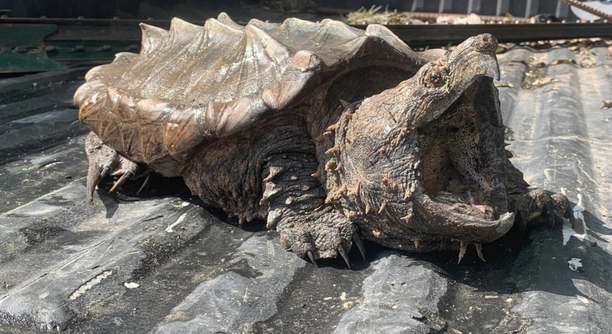
Alligator snapping turtles are fascinating creatures, but ensuring they are comfortable in captivity is important for their well-being. Creating a proper habitat can make a big difference in their health and happiness.
To make your alligator snapping turtle more comfortable, provide an appropriately sized enclosure, maintain water quality, offer a varied diet, and ensure the environment mimics its natural habitat. Pay attention to temperature and lighting to promote overall comfort.
These simple steps will help keep your turtle content and healthy. Understanding their needs can create a happier environment for both you and your pet.
Create a Proper Habitat
Your alligator snapping turtle needs an appropriate enclosure to feel secure and comfortable. It should be large enough for the turtle to move freely and explore. A tank or pond with both shallow and deep areas will mimic their natural environment. Ensure the enclosure has both land and water spaces, as they need both to thrive. A solid tank with a secure lid is important to prevent escapes, as these turtles can be quite resourceful. The water should be clean, with a filtration system that ensures good water quality.
Setting up an ideal habitat takes time, but it is essential. Make sure the tank is equipped with a secure hiding spot for your turtle. They need to feel safe from external threats, and hiding areas will help them settle in comfortably.
The temperature and lighting in the enclosure are also key components. Alligator snapping turtles need a consistent temperature range of 75-85°F for their water. For basking, they require a spot where they can warm up under a UVB light to maintain their health. Regularly check the water temperature and lighting to make sure it stays within a comfortable range.
Maintain Clean Water
Water quality is one of the most important aspects of keeping your alligator snapping turtle healthy.
A well-maintained filtration system is necessary for keeping the water clean. Regular water changes are also essential to ensure the water doesn’t become contaminated. Clean water supports your turtle’s skin and overall well-being, preventing issues like infections.
Regularly testing the water’s pH, ammonia, and nitrate levels will help you catch potential problems early. Alligator snapping turtles can be sensitive to changes in water conditions, so it’s vital to keep an eye on these levels. Invest in a reliable water testing kit and stay consistent with water maintenance. A clean tank will also keep the turtle’s environment stress-free, allowing it to thrive.
Offer a Varied Diet
Alligator snapping turtles thrive on a varied diet. They are carnivores, so offering a mix of protein-rich foods is crucial. This can include fish, crayfish, worms, and even small birds. Adding some vegetables or fruits like leafy greens or berries occasionally can provide essential nutrients, but their primary diet should focus on animal protein.
Avoid feeding them only one type of food, as this could lead to nutritional imbalances. It’s important to offer a balance of prey that reflects what they would naturally encounter in the wild. A mix of fresh, nutritious options will keep your turtle strong and healthy.
Overfeeding can also be an issue, so portion control is necessary. Feed your turtle small amounts, ensuring it has time to finish eating before offering more. This will help maintain a healthy weight and prevent any unnecessary stress. Regular feeding schedules can help your turtle stay active and engaged in its habitat.
Maintain Proper Temperature
The right temperature is crucial for your turtle’s comfort. Alligator snapping turtles need warm water and air to remain active and healthy. A water temperature of 75-85°F is ideal, while the air temperature should stay between 80-85°F. These turtles need a warm basking area with access to UVB lighting.
Too hot or too cold of an environment can affect your turtle’s digestion and overall health. If the water becomes too warm, it may lead to stress or lethargy. Likewise, if the temperature is too low, your turtle could become sluggish and inactive.
Maintaining stable conditions with a proper thermostat can help regulate the temperature. For basking, a UVB lamp will also encourage healthy shell growth and vitamin D production. These simple steps will ensure your turtle’s environment is perfect for its well-being.
Provide Hiding Spots
Alligator snapping turtles feel more secure when they have hiding spots in their environment. A well-placed rock, log, or aquarium decoration can give them a sense of safety. This is especially important in larger enclosures, where they might feel exposed.
Hiding areas help reduce stress, giving your turtle the option to retreat when feeling threatened. It mimics their natural behavior, where they often hide beneath rocks or mud in the wild. Ensure these spots are large enough for them to fully fit inside.
Use Proper Lighting
Proper lighting helps mimic natural sunlight. UVB lighting is essential for the turtle’s shell health and calcium metabolism. Without it, they may develop shell deformities.
A good UVB light should be placed over the basking area, where your turtle can absorb the needed rays. Be sure to replace bulbs regularly, as their effectiveness decreases over time. Keep the light on for 10-12 hours a day to maintain a natural day-night cycle.
Control Tank Size
The size of the tank impacts your turtle’s comfort. A larger tank gives it space to move and explore.
If your turtle feels cramped, it could lead to stress and health issues. A tank size of at least 100 gallons is ideal for one alligator snapping turtle.
FAQ
How big does an alligator snapping turtle get?
Alligator snapping turtles are one of the largest freshwater turtles in North America. Males can grow up to 26 inches in shell length, while females are typically smaller, around 16 inches. These turtles can weigh anywhere between 155 to 220 pounds, with some individuals reaching even higher weights.
What do alligator snapping turtles eat in the wild?
In the wild, these turtles are primarily carnivorous, feeding on fish, amphibians, birds, and even small mammals. They use their unique worm-like tongue to attract prey close to their mouths. While they can eat some vegetation, their diet is mainly made up of animal protein.
How long do alligator snapping turtles live?
These turtles are known for their long lifespan. In the wild, they can live up to 50 years, sometimes even longer. In captivity, with proper care, they can live a bit longer. The key to longevity is providing a stable environment, a proper diet, and consistent water quality.
Can alligator snapping turtles live in a tank?
Yes, alligator snapping turtles can live in a tank, as long as it is large enough to meet their needs. A tank that is at least 100 gallons is recommended for an adult turtle. Ensure the tank has both land and water areas, and invest in a strong filtration system to maintain clean water.
Do alligator snapping turtles need a basking area?
Yes, alligator snapping turtles need a basking area. Like other reptiles, they require heat and UVB light to maintain healthy shell growth and metabolism. A basking spot should be set up in the tank with access to a UVB light, allowing your turtle to bask for 10-12 hours a day.
What is the best temperature for an alligator snapping turtle?
The water temperature should be between 75-85°F for an alligator snapping turtle. The basking area should be warmer, around 90-95°F. A good temperature gradient is necessary to allow your turtle to regulate its body heat. Using a thermometer will help you keep track of the temperatures.
Can alligator snapping turtles be kept with other turtles?
It’s not advisable to keep alligator snapping turtles with other species. They are solitary creatures and can become aggressive toward other turtles. They may also eat smaller turtles or compete for food and space. Keeping them in a tank alone will help reduce stress and potential fighting.
How often should I feed my alligator snapping turtle?
Alligator snapping turtles typically eat every 2-3 days, but the amount depends on their size and age. Young turtles may need to be fed more frequently, while adults may only need to eat every other day. Offer a variety of foods, including fish, crayfish, and worms, for a balanced diet.
Do alligator snapping turtles need a filter?
Yes, a high-quality filtration system is essential for maintaining clean water in the tank. These turtles can be messy eaters, and a filter will help remove waste and debris, preventing the water from becoming polluted. A filter will also help maintain the proper balance of water chemistry.
Are alligator snapping turtles aggressive?
Alligator snapping turtles can be aggressive, especially when threatened. They have powerful jaws capable of delivering a strong bite, so it’s important to handle them with care. In captivity, aggression can also be triggered by inadequate space, poor water conditions, or other stressors.
How do I keep my alligator snapping turtle active?
To keep your turtle active, provide a spacious tank with plenty of room to swim. Alligator snapping turtles are naturally active and curious, so offering environmental enrichment, like hiding spots and different substrates, will keep them engaged. Also, offering live prey can stimulate natural hunting behavior.
Do I need to clean the tank frequently?
Yes, cleaning the tank is essential to maintain water quality. Alligator snapping turtles can make a mess, so you should perform regular water changes and clean the tank at least once a week. Using a good filtration system will help reduce the amount of work, but tank cleaning should still be done regularly.
What are signs of illness in alligator snapping turtles?
Common signs of illness in alligator snapping turtles include lethargy, a lack of appetite, changes in shell appearance, and discharge from the eyes or nose. If you notice these symptoms, it’s important to consult a reptile vet immediately. Proper water conditions and diet will help keep your turtle healthy and reduce the risk of illness.
Can I handle my alligator snapping turtle?
It’s best to minimize handling your alligator snapping turtle, as it can stress them out. If you do need to handle them, make sure you do so gently, and always support their body fully. Never grab them by the tail, as it can cause injury. Handling should be kept to a minimum to avoid stressing them.
What type of water do alligator snapping turtles need?
Alligator snapping turtles require freshwater. It’s important to ensure the water is clean and free of chlorine, as it can be harmful to them. Tap water should be treated with a dechlorinator to make it safe. Regular water changes are necessary to keep the environment healthy.
Final Thoughts
Taking care of an alligator snapping turtle can be a rewarding experience, but it requires attention to detail and a commitment to creating the right environment for them. These turtles need a large tank with both land and water areas, access to clean water, and proper temperature regulation. A suitable filter is also important to maintain water quality. With the right setup, you can help your turtle live a long and healthy life.
Providing a varied diet, including protein-rich foods like fish and crayfish, is another key aspect of keeping your turtle comfortable. Alligator snapping turtles are carnivores, and offering them a range of foods will help ensure they get the necessary nutrients. It’s important not to overfeed them and to stick to a regular feeding schedule. A balanced diet and portion control will help keep them in good health and avoid issues like obesity.
Finally, remember that alligator snapping turtles are solitary creatures. They prefer their own space, so keeping them in a separate tank is essential. Regularly checking their water temperature, lighting, and other conditions will also help keep them comfortable and happy. By following these simple steps, you can create a thriving environment for your turtle and enjoy watching it grow and live its life to the fullest.

Hello,
If you enjoy the content that we create, please consider saying a "Thank You!" by leaving a tip.
Every little bit helps us continue crafting quality advice that supports the health, happiness, and well-being of pets around the world, for pets of all shapes, sizes, and species.
We really appreciate the kindness and support that you show us!