
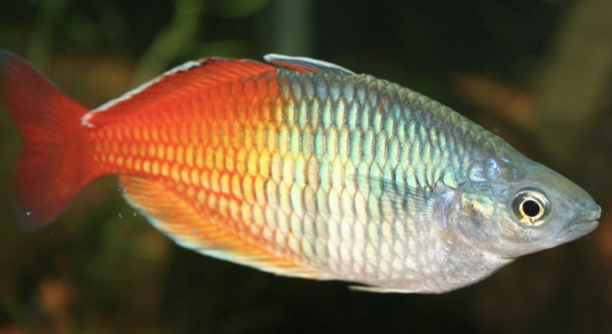
Rainbow fish are vibrant and beautiful creatures, but they need the right environment to thrive. Keeping them safe and comfortable is key to their well-being. This article covers simple ways to ensure your rainbow fish feel secure and happy.
Ensuring the safety of rainbow fish involves providing a stable environment, proper tank mates, and adequate hiding spots. Maintaining clean water, managing lighting, and reducing stress factors are crucial for their health and comfort.
By following these easy tips, you can make your rainbow fish feel at ease. A safe and secure environment will keep them healthy and vibrant, giving them the best chance to thrive in your care.
Create a Stress-Free Environment
Rainbow fish can become stressed if their environment isn’t right. Stress leads to poor health and can even shorten their lifespan. To create a stress-free environment, make sure their tank is calm, stable, and quiet. Avoid placing their aquarium in high-traffic areas or near loud noises.
A quiet space allows the fish to feel safe, reducing stress levels. Keep the tank away from windows where light changes can fluctuate, as that might disturb them. Using gentle filters helps maintain water movement without overwhelming the fish.
Temperature stability is another factor that influences stress levels. Keeping the water temperature consistent will help your rainbow fish feel at ease. You can use a heater with a thermostat to keep the water in the proper range. Maintaining stable water conditions is essential to ensuring your fish remain calm and healthy. Regularly check water parameters, like pH, ammonia, and nitrate levels, to prevent any harmful spikes. By ensuring a steady environment, your rainbow fish will thrive and enjoy their tank more.
Choose the Right Tank Mates
Picking tank mates carefully is key to keeping rainbow fish calm. These fish are peaceful and prefer to live with non-aggressive species.
Aggressive fish can stress out your rainbow fish, making them feel threatened. Make sure the tank mates you select have similar needs, such as water temperature and pH levels. Avoid adding overly territorial or predatory fish, as they may pick on your rainbow fish.
Rainbow fish are also social creatures that enjoy the company of their kind. Adding more rainbow fish to the tank will help them feel safer and more at ease. They’ll often form schools, which provide security in numbers. When choosing other tank mates, consider peaceful species like tetras, snails, or smaller corydoras catfish. These fish are calm and less likely to disturb your rainbow fish. Choosing tank mates wisely can make a big difference in their safety and well-being.
Provide Hiding Spots
Rainbow fish feel secure when they have places to hide. Adding plants, rocks, and decorations to the tank gives them spots to retreat to when they feel threatened. These hiding spots help them rest and reduce stress.
When arranging the tank, create corners and spaces where your rainbow fish can escape from view. Live plants like java ferns or anubias are great choices, as they provide both shelter and natural beauty. Ensure there’s enough space for them to swim freely but also places where they can hide if needed. Hiding spots also make the tank more interesting for the fish, as they can explore and navigate.
Ensure your hiding spots aren’t too cramped or closed off. Fish need to be able to move in and out without difficulty. Adding variety in the tank’s layout, such as caves, driftwood, or soft rocks, will offer your rainbow fish plenty of options. Keeping the tank layout well-organized with both open swimming space and hiding spots will make your fish feel more at home and reduce the risk of stress.
Maintain Clean Water
Rainbow fish thrive in clean, well-maintained water. Regular water changes and a proper filtration system are essential for their health.
A good filtration system keeps the water clear and removes harmful toxins. Be sure to clean the filter regularly to ensure it functions properly. Water changes should be done every week, removing about 25% of the water each time. This helps to maintain the right balance of nutrients and remove waste.
Check water parameters like pH, ammonia, nitrite, and nitrate levels to make sure they are within the safe range for your rainbow fish. Keeping these levels stable is key to avoiding any stress or health problems. Water quality directly affects your fish’s behavior and well-being, so maintaining it is crucial for a happy, healthy tank.
Avoid Sudden Changes
Rainbow fish are sensitive to sudden changes in their environment. Avoid rapid shifts in water temperature, light, or water parameters. Such changes can cause stress and make them feel unsafe.
Introduce any changes slowly. For example, adjust the water temperature gradually and avoid turning lights on or off suddenly. Keeping everything stable helps your rainbow fish feel secure and comfortable. Consistency is key to a healthy, happy tank.
Proper Lighting
The right lighting is important for rainbow fish. Too much light can cause stress, while too little can affect their health.
A gentle, consistent light cycle is best for them. Use a timer to keep light on for around 10-12 hours a day. This will help mimic natural daylight hours and reduce stress. Adjust the intensity to avoid overwhelming them. Proper lighting also helps plants grow, which in turn provides additional hiding spots and improves the overall tank environment for your fish.
FAQ
How can I tell if my rainbow fish are stressed?
Stress in rainbow fish can show up through a variety of signs. If your fish are darting around the tank, hiding more than usual, or showing signs of discoloration, it could be a sign of stress. They may also stop eating or appear lethargic. Another indication is if their fins are clamped or if they exhibit erratic swimming. Watching for changes in their behavior or appearance will help you identify when something is wrong. Keeping track of water conditions and tank surroundings can prevent many of these issues before they occur.
Is it okay to have only one rainbow fish in the tank?
Rainbow fish are social creatures and prefer to live in schools. Having just one can cause them stress and make them feel lonely. They feel safer and more secure when surrounded by others of their species. Ideally, you should have at least 3-5 rainbow fish to mimic their natural social behavior. A small school helps them feel more comfortable and reduces the chances of stress-related issues. If you only have one rainbow fish, consider adding a few more to improve their quality of life and health.
What should I feed rainbow fish to keep them healthy?
A balanced diet is important for the health of your rainbow fish. They are omnivores, so a mix of high-quality flake food, frozen or live foods like brine shrimp, and vegetable matter works best. You can feed them a variety of foods, but be sure to offer a well-rounded diet. Offer them foods rich in vitamins and nutrients, which helps promote strong color and vibrant health. Avoid overfeeding as excess food can lead to poor water quality and health issues. Feed them small amounts two or three times a day to prevent waste buildup.
Can I keep rainbow fish with other species?
Yes, rainbow fish can live peacefully with many other species. They are typically non-aggressive and get along well with other calm, peaceful fish. However, it’s essential to choose tank mates carefully. Avoid adding overly aggressive fish or those that might nip at the fins of your rainbow fish. Small tetras, guppies, and other peaceful species can be great companions. It’s always a good idea to research potential tank mates and ensure their water and habitat needs align with those of rainbow fish.
How often should I change the water in my rainbow fish tank?
Water changes are crucial for keeping rainbow fish healthy. It’s recommended to change about 25% of the tank water once a week. This helps keep the water clean and reduces the buildup of toxins like ammonia and nitrates. Regular water changes also help maintain stable water conditions, which are essential for the health of your fish. Be sure to use a water conditioner to remove any chlorine or chloramine from tap water before adding it to the tank. Also, monitor the water parameters regularly to ensure everything stays within the appropriate range for your rainbow fish.
Can rainbow fish live in freshwater or saltwater?
Rainbow fish are freshwater species and should be kept in a freshwater tank. They thrive in a range of water conditions, but saltwater will be harmful to them. The water should be kept soft to moderately hard, with a pH of around 6.5 to 7.5. Rainbow fish are not suited for brackish or saltwater tanks, so make sure to maintain the proper freshwater setup for them. Saltwater can cause stress and health issues, so it’s best to stick to freshwater if you’re keeping rainbow fish.
What is the ideal tank size for rainbow fish?
The minimum tank size for rainbow fish is around 30 gallons. A larger tank will provide them with more swimming space and help reduce territorial behavior. A 30-gallon tank is suitable for a small school of rainbow fish and a few peaceful tank mates. If you plan on having more rainbow fish or a variety of species, a larger tank, such as a 50-gallon tank, will be even better. A spacious tank ensures that the fish feel comfortable, have enough room to swim, and reduces the stress of overcrowding.
Can rainbow fish live with other types of rainbow fish?
Yes, rainbow fish can live together and often enjoy the company of their own kind. In fact, keeping multiple rainbow fish in the same tank will help them feel more secure and comfortable. They naturally form schools in the wild, so adding several rainbow fish to the tank will mimic their natural social behavior. A small school of rainbow fish will be happier and less stressed compared to a single fish. Just make sure the tank is large enough to accommodate the school and provide adequate hiding spots and space.
How do I prevent diseases in rainbow fish?
Preventing diseases in rainbow fish is all about maintaining a clean, stable environment. Keep up with regular water changes, ensure proper filtration, and monitor water parameters to avoid any sudden changes. Quarantine new fish before introducing them to the main tank to avoid introducing potential diseases. Provide a varied, nutritious diet to strengthen their immune system. Be vigilant about any signs of illness such as abnormal behavior, lesions, or discoloration, and treat promptly. A well-maintained tank and a proper diet are the best ways to keep your rainbow fish healthy and disease-free.
Why are my rainbow fish losing color?
Loss of color in rainbow fish can be caused by several factors, such as stress, poor water quality, or illness. If the water temperature, pH, or ammonia levels fluctuate, it can cause the fish to lose their vibrant hues. Stress from poor tank mates or overcrowding can also cause color fading. Another cause could be improper lighting or diet. Ensure your rainbow fish are in a stable environment with proper lighting and a balanced diet. If the issue persists, check water parameters and look for signs of illness that could be affecting their health.
Final Thoughts
Taking care of rainbow fish requires attention to their environment, diet, and overall health. By creating a stable and safe tank, you ensure your fish feel secure and can thrive. These colorful fish are peaceful and social, so it’s essential to provide them with tank mates that match their calm nature. Maintaining water quality through regular changes and careful monitoring is key to keeping them healthy. Keeping their environment stress-free with hiding spots and gentle lighting makes a noticeable difference in their well-being.
With the right care, rainbow fish can live for several years, offering you a beautiful and active presence in your aquarium. Regularly check for signs of stress, such as erratic swimming or loss of color, and address any issues promptly. Ensure their tank is clean, and be sure to feed them a varied and balanced diet to keep them healthy. A mix of live, frozen, and high-quality flake foods will support their immune system and help them maintain vibrant colors.
Remember that rainbow fish are not difficult to care for once you understand their needs. A peaceful and well-maintained environment goes a long way in keeping them safe and happy. Take the time to get to know your fish and their habits. With patience and proper care, your rainbow fish will reward you with their beauty and lively personality, becoming an enjoyable and stress-free part of your home.

Hello,
If you enjoy the content that we create, please consider saying a "Thank You!" by leaving a tip.
Every little bit helps us continue crafting quality advice that supports the health, happiness, and well-being of pets around the world, for pets of all shapes, sizes, and species.
We really appreciate the kindness and support that you show us!