
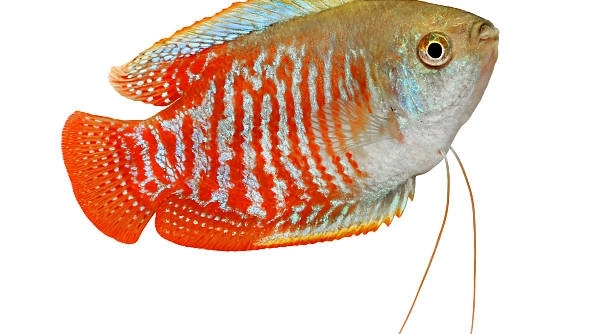
Gourami fish are known for being shy, which can make them harder to interact with in your aquarium. Understanding how to help them feel more comfortable is key to enjoying their company.
To make your gourami less shy, focus on creating a calm, secure environment. Proper tank conditions, such as low water flow and plenty of hiding spots, help reduce stress, allowing your fish to feel safer and more confident.
With a few simple adjustments, you can enhance your gourami’s comfort level, creating a more engaging aquarium experience.
Creating a Comfortable Environment
A calm environment is the foundation for helping your gourami feel less shy. The more you can mimic their natural habitat, the more at ease they will feel. Keep the water clean and maintain the right temperature, as sudden changes in these factors can make your fish nervous. A well-planted tank can provide the perfect hiding spots, which are essential for shy fish. Gouramis, like many fish, are sensitive to changes in their surroundings, so avoid loud noises or sudden movements near the tank. It’s important to give them time to adjust, especially after any changes in their environment.
Plants and decorations also help create an environment where your gourami feels safe and secure. Adding live plants, rocks, or driftwood provides places for them to hide and explore at their own pace. This reduces stress, as gouramis like to retreat to darker areas when they feel uneasy. Having a variety of hiding spots makes them feel in control of their space, promoting confidence.
Gouramis are naturally curious but need their environment to feel peaceful to explore. The key is to balance enough hiding places with open areas for them to swim freely. Patience is important, so let your gourami adjust to the changes gradually. By ensuring a peaceful environment, you’ll see your fish slowly becoming more comfortable and active in the tank.
Consistent Tank Conditions
Maintaining stable tank conditions is essential to making your gourami feel secure. Regular water changes and testing can help keep the water quality at its best.
For gouramis, stability in water temperature, pH, and hardness is crucial for their well-being. Sudden fluctuations in these factors can cause stress and make them more skittish. Ideally, your tank should be kept at a consistent 75-80°F with a neutral pH. Keeping the water parameters steady reduces the chances of your fish feeling threatened or anxious. Regular water testing ensures the right balance, which promotes a healthier and calmer environment for your fish. A water filter is also important, but make sure it isn’t too strong, as strong currents can scare them.
By keeping the conditions in the tank consistent, your gourami will feel more comfortable, and you’ll see less hiding and more confident swimming.
Provide Proper Tankmates
Choosing the right tankmates for your gourami is crucial. Avoid overly aggressive fish, as they can stress out your gourami, making it even more reserved.
Gouramis thrive best in peaceful communities. Fish that are too active or territorial will create an atmosphere of fear, causing your gourami to hide. Opt for non-aggressive, calm species that will coexist with your gourami without competing for space or food. Tetras, peaceful barbs, and other small fish that don’t threaten your gourami can make great companions. Ensure that all fish in the tank have similar needs regarding water temperature, pH, and habitat.
Adding tankmates that promote a calm and non-competitive environment can encourage your gourami to come out of hiding. When your fish feel safe and unchallenged, they are more likely to swim freely, become curious, and interact with their environment. Ensuring compatibility in your aquarium can ease your gourami’s shyness, making for a more balanced community.
Avoid Overcrowding the Tank
Overcrowding the tank will only increase stress for your gourami. A crowded space reduces the fish’s ability to retreat when it feels threatened.
A larger tank gives your gourami room to roam and find quiet places to retreat. Aim for a tank size that allows for plenty of swimming space and separation between fish. Overcrowding leads to higher levels of aggression, higher waste production, and reduced oxygen levels. These factors add unnecessary stress to all fish, including your gourami. Keeping the fish population low in comparison to the tank size will allow each fish to have its own territory, reducing tension.
Not only does a spacious tank create a safer environment, but it also promotes better overall health for all fish. The reduced stress from a well-planned tank encourages your gourami to venture out more. By avoiding overcrowding, you’ll help ensure that your fish feel secure and more willing to interact with their surroundings.
Offer Regular Feeding
Regular feeding helps your gourami associate you with positive experiences, reducing shyness.
Feed your gourami at consistent times every day. This routine builds trust and encourages the fish to become more familiar with you. Providing the right amount of food at regular intervals also prevents overfeeding, which can lead to poor water quality. Make sure the food is suitable for their size and species.
Your gourami will eventually become more comfortable and start to recognize you as a source of nourishment. This connection can help reduce their anxiety and make them more outgoing in the tank.
Minimize Tank Disruptions
Keeping disruptions to a minimum will help your gourami feel safe and reduce stress.
Avoid tapping the glass or making loud movements near the tank. These sudden actions can startle your gourami and cause it to hide. Fish are sensitive to vibrations, and unexpected disturbances may cause anxiety, making them more likely to remain shy. Regularly observing your fish without disturbing them can encourage more natural behaviors.
Provide Low Lighting
Gouramis tend to feel safer in dimmer light. Bright lighting can stress them out.
Using soft, low lighting in your aquarium will help mimic their natural environment, where light is less intense. Gouramis prefer a more subdued atmosphere, where they can swim without feeling exposed. You can also use floating plants or decorations to provide shade. By reducing harsh lighting, your gourami will feel more secure and comfortable.
FAQ
How long does it take for a gourami to adjust to a new tank?
It can take a few days to a couple of weeks for a gourami to fully adjust to a new tank. During this time, they may hide more often as they become familiar with their new environment. It’s important to avoid stressing them by making sudden changes or adding new fish too quickly. Patience is key in helping your gourami feel safe and comfortable in its new space. Make sure the water parameters are stable and appropriate, as this will help speed up the process of adjustment.
Why is my gourami hiding all the time?
Hiding is a common behavior in shy gouramis, especially in a new tank or when they feel threatened. Gouramis are naturally cautious fish, and they may seek shelter in plants or decorations to feel safe. This can happen due to stress caused by tankmates, water conditions, or environmental changes. If your gourami seems overly stressed, it may be worth checking the water parameters or ensuring that the tankmates are peaceful and not aggressive.
Can gouramis live with other fish?
Yes, gouramis are generally peaceful and can live with other fish, but they should be kept with species that are calm and not overly aggressive. Avoid aggressive or overly active fish, as they can stress out your gourami. It’s best to keep them with fish like tetras, peaceful barbs, or small catfish. When introducing new fish, monitor how the gourami reacts to ensure it feels comfortable and not threatened.
What water conditions do gouramis prefer?
Gouramis prefer warm water with a temperature between 75-80°F (24-27°C). They also need a pH level between 6.0 and 8.0, with a hardness range of 5-15 dGH. Stable water conditions are crucial for reducing stress and helping your gourami feel secure. Regular water changes, proper filtration, and water testing will help maintain these conditions. Sudden fluctuations in water quality or temperature can make your gourami feel stressed and lead to shy behavior.
What can I do if my gourami isn’t eating?
If your gourami isn’t eating, first check the water quality to ensure it’s at optimal levels. Stress from poor water conditions can cause a loss of appetite. Offer a variety of foods, such as flakes, pellets, and frozen or live foods like brine shrimp. Some gouramis may be more inclined to eat if food is offered in a quiet, dimly lit part of the tank. If your gourami continues to refuse food, it could be a sign of illness, so consider seeking advice from a vet or experienced aquarium hobbyist.
Can gouramis live with other gouramis?
Yes, gouramis can live with other gouramis, but it’s important to monitor their behavior. Some species, like male gouramis, can be territorial and may fight with one another if the tank is too small. If you keep multiple gouramis, it’s recommended to have one male with several females, as this reduces aggression. Providing plenty of space, plants, and hiding spots in the tank can also help minimize territorial issues.
How can I tell if my gourami is stressed?
A stressed gourami may display behaviors like excessive hiding, not eating, or swimming erratically. It might also exhibit changes in coloration, such as fading or darkening. Stressed gouramis can sometimes develop physical symptoms like torn fins or lesions, which could indicate illness. If your gourami shows signs of stress, review the water parameters, ensure peaceful tankmates, and reduce any disturbances near the tank. A calm, stable environment is essential for their well-being.
How often should I feed my gourami?
Gouramis should be fed once or twice a day. Overfeeding can lead to poor water quality, so it’s important to give only as much food as they can consume within a few minutes. You can provide a variety of foods, including flakes, pellets, and occasional live or frozen foods. Offering a mix ensures they receive a balanced diet. Make sure to remove any uneaten food from the tank to prevent it from decomposing and affecting water quality.
Can gouramis live in cold water?
Gouramis are tropical fish and prefer warmer water temperatures, typically between 75-80°F (24-27°C). They should not be kept in cold water, as low temperatures can cause stress and weaken their immune systems. Cold water can also make them less active and more prone to illness. If you live in a cooler climate, consider using a heater to maintain a consistent water temperature suitable for your gourami.
Are there different types of gouramis?
Yes, there are several species of gouramis, each with slightly different care needs. Some of the most popular types include the Blue Gourami, Dwarf Gourami, and Pearl Gourami. While they share similar care requirements, their sizes and temperaments can vary. For example, dwarf gouramis are smaller and generally more peaceful, while larger species like the Opaline Gourami may have more territorial tendencies. Researching the specific type of gourami you have will help you better understand its behavior and needs.
Why does my gourami sometimes swim near the surface?
Gouramis are labyrinth fish, meaning they have a specialized organ that allows them to breathe air from the surface. It’s normal for them to occasionally swim near the surface to take in air. However, if your gourami is constantly staying near the surface and breathing heavily, it could be a sign of low oxygen levels in the water. Ensure your tank is properly aerated and check the water for any issues that might be affecting oxygen exchange.
Final Thoughts
Helping your gourami feel less shy takes a little patience, but it’s definitely worth the effort. By creating a comfortable environment, maintaining consistent water conditions, and choosing the right tankmates, you can encourage your gourami to feel more secure. Gouramis are naturally cautious, so it’s important to understand their needs and make small adjustments to their surroundings to reduce stress. Over time, your fish will start to feel more at ease and may become more active and curious.
In addition to environmental factors, regular feeding, low lighting, and a peaceful atmosphere are essential for your gourami’s well-being. Regular feeding at consistent times helps them associate you with positive experiences, which can build trust and reduce shyness. It’s also important to remember that every fish is different. Some gouramis may take more time than others to feel comfortable in their environment. If your fish is still shy after making the necessary changes, don’t get discouraged. Keep providing a stable, calm habitat, and over time, your gourami will likely begin to show more confidence.
Ultimately, the key to reducing your gourami’s shyness is to create a peaceful, secure environment that mimics its natural habitat. With the right tank conditions, tankmates, and feeding habits, you’ll be on your way to having a healthier, happier gourami that is comfortable interacting with its surroundings. Every small effort you make will add up and help your fish feel more at home in the tank.

Hello,
If you enjoy the content that we create, please consider saying a "Thank You!" by leaving a tip.
Every little bit helps us continue crafting quality advice that supports the health, happiness, and well-being of pets around the world, for pets of all shapes, sizes, and species.
We really appreciate the kindness and support that you show us!