
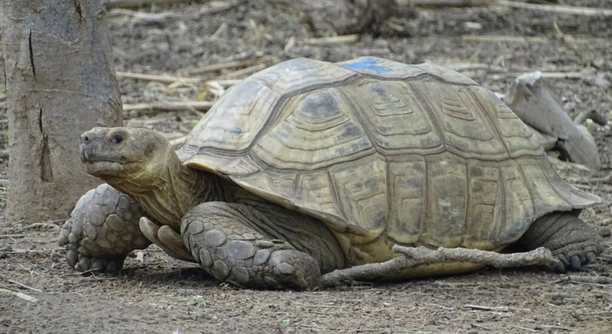
Creating a spacious and comfortable environment for your tortoise is essential for its well-being. A proper enclosure helps ensure they stay healthy and happy, but you might find that your setup feels a bit cramped.
One of the easiest ways to create more space in your tortoise’s enclosure is to optimize the layout. Moving items around, adding vertical space, and reducing clutter will help give them more room to roam and explore.
By making a few simple changes, you can give your tortoise the space it needs to thrive. The following tips will help you create a more spacious and comfortable home for your shelled friend.
Maximize Vertical Space
If you feel like your tortoise’s enclosure is too small, one of the easiest fixes is adding vertical space. Tortoises love to climb and explore, so utilizing the height of the enclosure can provide them with more room to roam. You can add logs, rocks, or platforms to create levels. This gives your tortoise opportunities to climb, hide, and move around in a more natural way. Be sure to arrange these items securely to prevent any accidents, but leave enough room for your tortoise to safely navigate. This simple change can make a big difference in their living area.
Adding vertical space can also help break up the environment and give your tortoise different areas to explore. It keeps things interesting for them, reducing the likelihood of boredom. Providing variety through height is essential, especially if the floor space is limited. It can also encourage natural behaviors like digging or basking in different areas of the enclosure.
When creating vertical space, consider the size and strength of your tortoise. Some tortoises are better climbers than others, so choose structures that are appropriate for their abilities. Make sure everything is stable to avoid any harm.
Create Separate Zones
Another effective way to increase the space is to create different zones within the enclosure. You can divide the space into sections, such as a basking area, a feeding zone, and a cooler hiding space. Using rocks, plants, or even small fencing can help define these areas.
Dividing the enclosure into distinct zones helps to mimic a tortoise’s natural habitat, where they can seek different temperatures and conditions based on their needs. It also encourages exploration and more varied activity. Each zone should be designed to offer specific advantages, like warmth for basking or coolness for resting. This will improve their quality of life and give them space to enjoy a variety of environments within the same enclosure.
The basking area should be well-lit and warm, while the cooler zone should offer some shade and privacy. These adjustments can not only make the enclosure feel more spacious but also healthier. Proper environmental factors are key in keeping your tortoise active and comfortable. By providing these distinct areas, you allow your tortoise to behave more naturally, which can prevent stress and increase overall well-being.
Use a Larger Substrate
Increasing the size of the substrate in the enclosure can also help make it feel more spacious. A deeper layer of soil or sand gives your tortoise more room to dig, creating a more natural environment. This simple change also encourages more activity and exploration.
When you add more substrate, your tortoise has the opportunity to create burrows or dig in ways that mimic their natural behavior. Digging is an instinctual activity that helps reduce stress and keeps them mentally engaged. A thicker layer also means your tortoise can enjoy different temperature gradients and moisture levels. This improves the overall comfort and well-being of your pet.
Be mindful of the material you choose for the substrate. It should be safe for your tortoise to consume if ingested and easy to clean. Avoid materials that are too fine or dusty, as these can cause respiratory problems. A deeper substrate will help them feel more at home and provide extra space for movement.
Add Hiding Spaces
Adding more hiding spaces in the enclosure can make it feel larger, as your tortoise will have more areas to retreat to when they want to relax. Hiding spaces help your tortoise feel safe and secure, which is important for reducing stress.
You can use rocks, tunnels, or even small wooden boxes to create hiding areas. These spaces don’t need to take up much room but can provide essential comfort. It’s important to place them in different areas of the enclosure so your tortoise can choose where they want to hide. This also gives them a sense of control over their environment, which is crucial for their mental health.
Ensure that the hiding spots are large enough for your tortoise to move comfortably, but not so large that they feel lost in them. They should be cozy, offering just enough room for your tortoise to retreat when they feel the need. Keep the spaces clean and accessible to ensure they are used regularly.
Incorporate Live Plants
Adding live plants to your tortoise’s enclosure can create a more natural and spacious environment. Plants not only improve the look of the habitat but also provide hiding spots and grazing opportunities. They also help in maintaining humidity and improve air quality.
Choose non-toxic plants that are safe for tortoises to nibble on. Popular choices include dandelions, clover, and grasses. Make sure the plants are sturdy enough to withstand your tortoise’s movements. Adding plants enhances the natural feel of the enclosure and gives your tortoise more space to explore and interact with.
Ensure Proper Lighting
Good lighting is essential for your tortoise’s health and well-being. Providing a combination of UVB light and heat lamps helps regulate their temperature and promotes natural behaviors. Without proper lighting, your tortoise might feel sluggish and stressed.
Use a UVB light to simulate sunlight and provide warmth. Place the heat lamp in a specific area, like a basking spot, so your tortoise can warm up when needed. Proper lighting helps mimic the natural environment, allowing your tortoise to stay active and healthy.
Keep It Clean
Maintaining cleanliness in the enclosure helps create a more spacious feeling. Regular cleaning removes waste, uneaten food, and old substrate that could take up valuable space. A clean environment promotes better health for your tortoise.
A tidy space also prevents odors and reduces the risk of disease. Cleaning regularly ensures that your tortoise can fully enjoy their home without any discomfort or stress. Make sure to clean hiding spots, food areas, and water dishes to maintain a healthy and pleasant environment for your pet.
FAQ
How big should a tortoise enclosure be?
The size of your tortoise’s enclosure depends on the species, but generally, it should be large enough for them to move around comfortably. For most species, a minimum of 4×8 feet is recommended for one adult tortoise. Bigger is always better, as long as the space is well-organized with areas for basking, hiding, and foraging. Larger enclosures also allow for more opportunities to explore, climb, and dig, which are all important for a tortoise’s well-being. Always research the specific needs of your tortoise to ensure their habitat is suited to their size and behavior.
Can I use a plastic storage container for a tortoise enclosure?
Yes, plastic storage containers can be used for smaller tortoises, but there are some considerations. The container should be large enough for your tortoise to move around freely, with room to add substrate, hiding places, and other items. Make sure it has proper ventilation, as tortoises need fresh air to stay healthy. You can easily modify a plastic container by adding holes or vents. However, for larger tortoises, it’s best to use a larger, sturdier enclosure made from wood or metal. Plastic containers can be a temporary solution, but they might not offer the long-term durability required for bigger tortoises.
How can I make my tortoise enclosure more secure?
To keep your tortoise safe and contained, you should focus on both the walls and the top of the enclosure. The walls should be high enough to prevent your tortoise from climbing out, especially if it’s a species that likes to explore. Secure any gaps or openings where your tortoise could potentially escape. Additionally, if your enclosure is outdoors, a secure top or lid can prevent predators from getting in and your tortoise from getting out. Make sure that any fences or barriers you use are burrow-proof as well, since many tortoises like to dig.
Do tortoises need a water dish in their enclosure?
Yes, tortoises need a water dish that is large enough for them to soak in. This is essential for hydration, especially if they are living in a dry or warm environment. Tortoises often drink from standing water or soak to maintain their skin and shell health. Be sure to choose a shallow dish so that they can climb in and out easily, but also deep enough to provide enough water. Change the water regularly to keep it clean, as standing water can attract bacteria.
What kind of lighting does my tortoise need?
Tortoises need UVB lighting to help them synthesize vitamin D3, which is crucial for calcium absorption and overall bone health. A combination of UVB lights and heat lamps is the best option. The UVB light should cover about half of the enclosure to provide a natural light cycle. Use a bulb that mimics the sun’s rays, and replace it regularly to ensure it maintains its effectiveness. The heat lamp should be positioned over the basking area to provide warmth, while cooler areas of the enclosure offer a temperature gradient for your tortoise to move between.
How often should I clean the tortoise enclosure?
It’s essential to keep your tortoise’s enclosure clean to prevent odors and the buildup of harmful bacteria. Spot-clean the enclosure daily by removing uneaten food, waste, and soiled substrate. A deep clean, including replacing the substrate and washing the enclosure, should be done once a month or as needed. Make sure to clean food and water dishes daily and disinfect them to prevent mold or bacteria buildup. Regular cleaning also helps keep your tortoise healthy and minimizes the risk of skin and shell infections.
Do I need to provide heating for my tortoise?
Yes, tortoises require heating to maintain their body temperature, which is critical for digestion and overall health. A heat lamp should be used to create a basking area where your tortoise can warm up. The basking spot should be between 85°F and 95°F, depending on the species. The rest of the enclosure should have a cooler area to provide a temperature gradient, allowing your tortoise to regulate its body temperature. Always check the temperature regularly with a thermometer to ensure it is within the proper range.
What type of substrate is best for my tortoise?
The substrate should mimic the natural environment of your tortoise and allow for activities like digging and burrowing. Common options include organic soil, coconut coir, or a mixture of sand and soil. Avoid substrates that are too fine, like sand alone, as they can cause respiratory issues. You want a substrate that can retain moisture but also drain well. A thick layer of substrate helps your tortoise feel more at home and can assist with creating temperature gradients and humidity levels.
Can I let my tortoise roam around the house?
While it’s fine to let your tortoise roam around occasionally, it’s important to ensure that the area is safe for them. They should always be supervised when outside their enclosure, as there could be hazards like electrical cords, stairs, or pets. Make sure the environment is warm enough for them to stay comfortable and that they have access to food and water. Some tortoises may also try to wander off, so be prepared to redirect them back to safe areas. Keep in mind that roaming should be limited to short periods.
How can I keep my tortoise entertained?
Tortoises need mental stimulation just like they need physical space. You can provide entertainment by varying their habitat, such as adding new hiding spots, live plants, or things to climb. You can also scatter their food throughout the enclosure to encourage foraging. Adding items like large rocks, logs, or even a shallow pond can create an interesting environment that encourages natural behaviors. Rotating toys or food dishes can keep things fresh and fun, preventing boredom.
How do I know if my tortoise is stressed?
Signs of stress in tortoises can include hiding more than usual, refusal to eat, or excessive pacing. Changes in behavior, like becoming more lethargic or less active, can also indicate stress. If your tortoise is trying to escape the enclosure, it might be a sign that it feels cramped or unsafe. Temperature or lighting issues could also cause discomfort, so make sure the habitat is optimal. If stress persists, consult with a veterinarian to ensure your tortoise is in good health.
Final Thoughts
Creating a spacious and comfortable enclosure for your tortoise is essential for its health and well-being. Tortoises are naturally curious and active animals, and giving them more space to move around and explore can make a significant difference in their overall happiness. By using some of the simple strategies mentioned, you can help your tortoise feel more at home and give them the freedom to express natural behaviors like climbing, digging, and foraging. Whether it’s adding vertical space, dividing the enclosure into zones, or simply using the right type of substrate, each adjustment plays a role in improving your tortoise’s environment.
It’s also important to remember that the size of the enclosure isn’t the only factor to consider. The quality of the space matters just as much. Factors like proper lighting, heat, ventilation, and cleanliness are crucial in maintaining a healthy and comfortable habitat. Making sure your tortoise has access to fresh water, appropriate temperatures, and a safe environment to hide when needed will create a balanced home. Your tortoise needs more than just space—it requires the right environment to thrive.
Ultimately, every tortoise is different, and what works for one may not be suitable for another. The key is to observe your tortoise and make adjustments based on its needs. A larger space, more hiding spots, and a well-thought-out layout can all help make the enclosure feel more expansive. Remember that a little extra effort in setting up the right habitat can have a lasting positive impact on your tortoise’s health and happiness. As long as you focus on creating a safe, stimulating, and comfortable space, your tortoise will benefit from a more spacious and enjoyable life.

Hello,
If you enjoy the content that we create, please consider saying a "Thank You!" by leaving a tip.
Every little bit helps us continue crafting quality advice that supports the health, happiness, and well-being of pets around the world, for pets of all shapes, sizes, and species.
We really appreciate the kindness and support that you show us!