
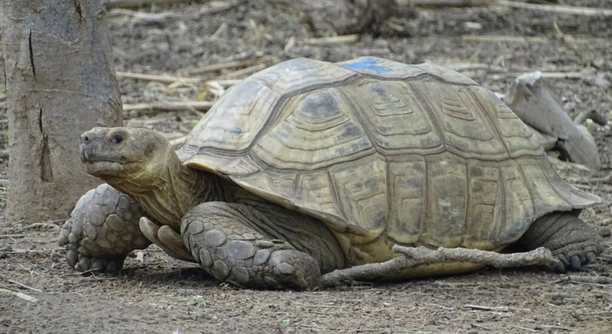
Creating a secure enclosure for a Sulcata tortoise can seem like a challenge, especially when they are determined to escape. With a few adjustments, you can ensure your tortoise stays safe and happy in its home.
One of the most effective ways to make a Sulcata tortoise enclosure escape-proof is by reinforcing the perimeter. Using sturdy materials such as cinder blocks or wooden boards, bury the walls deep enough to prevent digging.
Taking these simple steps will help keep your tortoise secure while creating a comfortable living environment.
Build Strong, High Walls for Your Sulcata Tortoise Enclosure
When building a Sulcata tortoise enclosure, one of the first steps is constructing high and sturdy walls. These tortoises are known for their ability to push against barriers, so a simple wooden fence won’t cut it. Aim for walls that are at least 18 to 24 inches tall to ensure they are secure. The material should also be strong enough to resist pushing and biting. Opt for heavy-duty materials like cement blocks, treated wood, or a metal fence to ensure durability over time.
Tall walls are important, but they are not always enough. Some Sulcatas will test the limits of their enclosure by climbing. For this reason, it’s best to have a solid barrier that discourages climbing. Smooth materials like metal or plastic work well for this. You’ll want to avoid using materials with footholds, such as wire or chain link, as your tortoise may find a way to scale them.
Proper planning of your enclosure height and materials will reduce the likelihood of escapes. Make sure you test the structure by gently pushing on it to check for weak spots. Ensure the walls are secure enough to prevent your tortoise from escaping.
Secure the Bottom of the Enclosure
The bottom of the enclosure is just as important as the walls. If your tortoise can dig under the fence, the whole structure is compromised.
Burying the bottom of the walls helps prevent this. Dig at least six to eight inches into the ground and ensure the walls go deep enough to stop any digging attempts. Adding a layer of mesh or wire at the base of the enclosure provides extra security. This ensures that your tortoise can’t burrow beneath the wall and escape.
Add a Secure Roof to the Enclosure
A roof provides another layer of protection. A Sulcata tortoise might try to climb over the walls, but a solid roof can stop that. Use materials like heavy-duty mesh or a wooden roof to cover the enclosure. Make sure it’s securely attached to prevent your tortoise from pushing it off.
A secure roof also keeps out predators. Birds of prey, dogs, or other animals might try to get into the enclosure. A roof will ensure they stay out while keeping your tortoise safe. If you use mesh, make sure the holes are small enough so your tortoise can’t slip through.
When installing a roof, ensure there’s enough space for your tortoise to move comfortably underneath it. You don’t want the roof to restrict their space too much. A well-ventilated roof is best, as it allows for airflow while keeping your tortoise safe from potential escape attempts.
Check the Enclosure Regularly
Regular maintenance is key. Even if your enclosure seems escape-proof, it’s a good idea to check for weak spots periodically. The tortoise’s movements, weather, and time can all affect the enclosure.
Inspect the walls, roof, and ground regularly for any signs of wear and tear. Look for areas where the material might be loosening or where your tortoise could dig through. Re-tighten any bolts, fix gaps, and replace damaged materials as needed. Keeping the enclosure in good shape will ensure your tortoise stays safe and secure.
A regular check-up schedule will help you spot problems before they become serious. It’s also a good time to test the strength of the enclosure by giving it a push or knock. This will show you if any parts need immediate attention. Keep the enclosure in top condition to avoid future issues.
Provide Plenty of Space
Sulcata tortoises need space to roam and thrive. While making sure the enclosure is secure, remember to allow enough room for your tortoise to move around freely. A cramped space can lead to stress or health issues.
A larger enclosure also helps reduce the chance of your tortoise trying to escape. When they feel confined, they are more likely to look for a way out. Ensure there are no tight corners where your tortoise might feel trapped.
Use Natural Barriers
Incorporating natural elements like rocks or plants can act as additional barriers to prevent escapes. Sulcata tortoises enjoy interacting with their environment.
These natural features also create a more enriching habitat for them. Using large rocks, logs, or thick shrubbery along the walls of the enclosure not only provides security but also stimulates natural behaviors. Ensure that any rocks are stable and securely positioned to avoid accidents.
Consider the Temperature
Sulcata tortoises thrive in warm temperatures. Ensure your enclosure is placed in an area that gets plenty of sun.
Positioning the enclosure in a sunny spot will keep your tortoise comfortable and encourage natural behavior. If you live in a colder climate, consider using a heat lamp to maintain the proper temperature. It’s essential that your tortoise stays warm to stay active and healthy.
FAQ
What size should a Sulcata tortoise enclosure be?
The ideal size for a Sulcata tortoise enclosure depends on the age and size of your tortoise. A young tortoise can comfortably live in an enclosure of 4 feet by 8 feet, while an adult needs significantly more space. An adult Sulcata should have at least 10 feet by 10 feet of space, but larger is always better. The more room they have to roam, the healthier and more active they will be.
Can Sulcata tortoises climb fences?
Yes, Sulcata tortoises can climb, but they typically do not climb well. However, if the enclosure is made from materials that provide footholds, like chain link or wooden slats, they may attempt to climb. To prevent this, use smooth materials like metal or plastic that discourage climbing. Ensure the walls are high enough that even if they try, they can’t escape.
How do I prevent my Sulcata tortoise from digging under the enclosure?
Digging is a natural behavior for Sulcata tortoises, and they may try to dig under the enclosure to escape. To prevent this, bury the walls of the enclosure at least 6 to 8 inches deep. Adding a layer of wire mesh or hardware cloth at the base also helps to stop them from digging out.
Do I need a roof on my Sulcata tortoise enclosure?
A roof is not always necessary, but it provides additional protection. It can prevent escape attempts, keep out predators, and shield the tortoise from extreme weather. If your Sulcata is an adult, a roof may be a good idea, as they can sometimes climb over lower barriers.
How can I make sure my Sulcata tortoise stays safe from predators?
A sturdy roof and secure walls are your first line of defense against predators. Additionally, ensure the walls are tall enough and the ground is properly secured so no predators can dig their way in. Keep the enclosure away from areas where predators, like dogs or larger animals, have easy access.
How often should I check my Sulcata tortoise enclosure for damage?
It’s important to check the enclosure regularly. At least once a month, inspect the walls, roof, and ground for any signs of wear or damage. Over time, materials may weaken, and the enclosure may need repairs. Regular maintenance will ensure your tortoise stays safe and secure.
What materials are best for building a secure Sulcata tortoise enclosure?
The best materials for building a secure enclosure are durable and resistant to wear. Concrete blocks, treated wood, and heavy-duty wire mesh are ideal. Concrete and treated wood are strong enough to prevent the tortoise from pushing them over, while wire mesh prevents digging and keeps out predators.
How deep should I bury the walls of the enclosure?
The walls should be buried at least 6 to 8 inches deep to prevent your Sulcata from digging underneath. If you’re using wire mesh, bury it a few inches deeper to make sure it’s secure. This will help avoid escape attempts and keep the enclosure strong.
Can I use plants in the enclosure to prevent escapes?
Yes, using plants and natural barriers can help discourage escape attempts. Large rocks or thick plants along the base of the enclosure create an extra obstacle for your tortoise. However, avoid planting anything toxic to your tortoise. Make sure the plants are safe and won’t harm your tortoise if ingested.
How do I make sure the enclosure is temperature-controlled for my Sulcata tortoise?
Sulcata tortoises thrive in warm temperatures. Ensure your enclosure is located in a sunny area that gets plenty of natural light. If you live in a cooler climate, use a heat lamp or a basking light to maintain temperatures between 80-90°F during the day, with a slight drop at night.
What should I do if my Sulcata tortoise tries to escape?
If your Sulcata tortoise attempts to escape, immediately inspect the enclosure for weaknesses or areas where they might be able to push through. Check the walls, roof, and ground to ensure everything is secure. Repair any weak spots and reinforce the barriers. You may also want to check if your tortoise feels confined, which can lead to escape attempts.
Can Sulcata tortoises live in a smaller enclosure if they are babies?
While a smaller enclosure may be fine for a baby Sulcata, it should not be a long-term solution. Babies need a lot of space to roam and grow. Ideally, their enclosure should be large enough to allow them to move around comfortably. As they grow, you’ll need to expand the space accordingly.
What kind of food should I provide for my Sulcata tortoise?
Sulcata tortoises are herbivores and should be fed a variety of grasses, weeds, and leafy vegetables. Their diet should consist mainly of high-fiber, low-protein plants, such as hay, dandelion greens, and clover. Avoid giving them high-calcium foods like lettuce, as it can lead to kidney issues.
Is it necessary to provide a water source for my Sulcata tortoise?
Yes, a water source is necessary. Sulcata tortoises need access to clean water for drinking and soaking. Make sure to place a shallow dish of water in the enclosure and change it regularly. Your tortoise may also use the water to soak, which is important for hydration and overall health.
Can I house multiple Sulcata tortoises together?
Sulcata tortoises can be kept together, but it’s important to ensure the enclosure is large enough to prevent territorial issues. Male Sulcatas, in particular, can be aggressive toward each other. If you plan to house more than one tortoise, make sure the space is ample and that each tortoise has its own space to retreat if needed.
How can I prevent my Sulcata tortoise from getting too hot in its enclosure?
To prevent overheating, make sure there are shaded areas in the enclosure where your Sulcata can cool off. Providing a sheltered space with rocks, plants, or a hideout allows your tortoise to escape the direct sun. Keep an eye on the temperature to make sure it stays in a comfortable range.
Final Thoughts
Creating a secure and comfortable enclosure for your Sulcata tortoise is crucial to ensure its safety and well-being. These tortoises are large, strong, and naturally curious, which makes it necessary to build an enclosure that is escape-proof. With the right materials and precautions, you can create an environment that keeps your tortoise safe and happy. Regular checks and maintenance are important to ensure the enclosure remains secure and suitable for your tortoise’s needs.
The size and setup of the enclosure play a major role in the health and happiness of your Sulcata tortoise. It is essential to provide ample space for your tortoise to roam and explore. A cramped space can lead to stress and health problems. In addition to size, the materials used in the enclosure should be durable and appropriate for the tortoise’s behavior. Remember that Sulcatas are diggers and climbers, so using strong walls and burying them deep enough is essential. A roof or overhead protection can also help provide an extra layer of safety, especially when dealing with outdoor enclosures.
By understanding your Sulcata’s needs and planning accordingly, you can create a safe and enriching environment. Ensuring the enclosure is escape-proof, properly sized, and well-maintained will help your tortoise thrive. The time and effort you invest in building the perfect enclosure will pay off in the long run by keeping your tortoise safe and content. The key is to stay vigilant and proactive in maintaining a secure and enriching space for your Sulcata tortoise, allowing it to live a long and healthy life.

Hello,
If you enjoy the content that we create, please consider saying a "Thank You!" by leaving a tip.
Every little bit helps us continue crafting quality advice that supports the health, happiness, and well-being of pets around the world, for pets of all shapes, sizes, and species.
We really appreciate the kindness and support that you show us!