
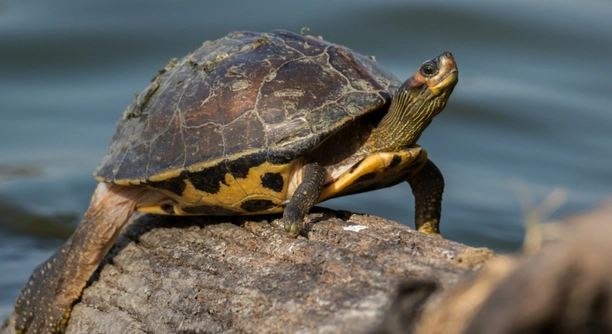
Creating a safe and comfortable space for your Indian Roofed Tortoise is important. A DIY hideout can be an affordable and easy solution to give them a sense of security. Let’s explore how to build one.
Building a DIY hideout for your Indian Roofed Tortoise involves selecting natural materials, ensuring proper ventilation, and providing enough space for them to move freely. Simple items like logs, stones, or small wooden boxes can be used to create an effective hideout.
Understanding these tips will help you create a cozy and safe environment that will keep your tortoise happy and healthy.
Materials for Your Tortoise’s Hideout
When selecting materials for your Indian Roofed Tortoise’s hideout, it’s important to focus on natural elements. Logs, stones, and untreated wood are excellent choices as they mimic their natural habitat. Avoid using materials that could release harmful chemicals or paints. These tortoises enjoy spaces that feel secure and earthy, so make sure to choose items that they can hide in comfortably. You can even use pieces of bark or leaves to help create a more natural feel. Ensure the materials are easy to clean to maintain proper hygiene.
For the perfect hideout, create different levels or layers. A small pile of stones or a log can offer hiding spots at various heights. Tortoises like to have a few different areas where they can retreat. Make sure to secure these materials properly to avoid them shifting, which could cause injury.
Avoid any materials that may retain too much moisture, as this can create mold and bacteria that can harm your tortoise’s health.
Creating a Safe Environment
Your tortoise’s hideout should also provide ample ventilation. Too much moisture in a confined space can lead to respiratory problems. Ensure there is enough airflow to prevent mold buildup and to keep the area dry. Keeping the hideout clean is crucial, so avoid materials that are difficult to wipe down.
To enhance the hideout, make sure the space is large enough for the tortoise to move freely. This will allow them to retreat when they need a break or feel stressed. They should feel a sense of security, without feeling trapped in a cramped space. Proper placement of the hideout is just as important; it should be somewhere that gives the tortoise access to both shade and sunlight during different times of the day.
Ensuring Proper Size and Shape
The size of the hideout is just as important as the materials. Your Indian Roofed Tortoise should have enough space to move comfortably without feeling too exposed. Too small a hideout will make them feel cramped, while too large a space may fail to provide the secure environment they crave.
Aim for a hideout that allows your tortoise to hide fully, with room to turn around and adjust. The entrance should not be too wide, as it could compromise their sense of security. A more enclosed entrance mimics their natural burrowing behavior. The shape of the hideout is also key. Tortoises prefer round or oval-shaped spaces that provide multiple hiding spots. Avoid sharp corners or jagged edges that may pose a risk to their health.
The hideout should feel snug enough to give them a sense of protection but spacious enough to avoid stress from confinement. Ensure that it is at least twice the length of your tortoise when they are fully extended.
Accessibility and Easy Maintenance
Accessibility is another factor to consider. Your tortoise should be able to enter and exit their hideout without difficulty. A ramp or gentle incline leading to the entrance can help make the hideout more accessible. Avoid steep slopes that might make it difficult for them to climb in and out.
The maintenance of the hideout is just as important. Cleanliness plays a major role in preventing infections or illnesses. Regularly check for mold or fecal buildup, as it can quickly accumulate in hidden corners. Using easily washable materials for the interior is a good practice. If the hideout is built from wood or other absorbent materials, consider using a liner that can be swapped out as needed.
Make sure the hideout can be cleaned with minimal effort, ensuring your tortoise’s habitat remains hygienic and safe. Consider adding removable trays or simple barriers to make the process even easier.
Placement in the Habitat
The placement of the hideout is key to your tortoise’s comfort. It should be placed in a quiet area of the enclosure, away from direct, harsh light. Tortoises often prefer shaded spots where they can retreat when they need to rest or feel secure.
Ensure that the hideout is not in an area with drafts or excessive humidity. This could cause unnecessary stress or health issues. Placing the hideout near a heat source or a basking area allows your tortoise to regulate their body temperature by moving between areas as needed.
Temperature and Humidity Control
Maintaining the right temperature and humidity levels is crucial for your tortoise’s well-being. Tortoises need a warm environment, but it should not be too hot or cold. The hideout should be placed where it allows them to experience the temperature gradient of the habitat.
Use a thermometer to regularly check the temperature inside the hideout. Tortoises require a basking spot to regulate body temperature, with the hideout offering a cooler, shaded area for relief. Avoid putting their hideout directly under a heat lamp, as this could make it too hot and uncomfortable.
Humidity is another factor. Ensure the hideout has some airflow to avoid moisture buildup but not to the point of making it too dry. It’s important to find a balance so the tortoise stays comfortable in their hideout.
Design Options
Design options for your tortoise’s hideout can vary depending on available materials and space. One option is a simple wooden box with a single entrance. You can also create a more elaborate hideout using stones and logs to give them multiple areas to explore.
Another option is using a plastic container with ventilation holes. This can be a cost-effective solution that is easy to clean and maintain. However, be cautious about the size to ensure your tortoise has enough space. Each hideout should reflect their need for both security and movement.
FAQ
How big should the hideout be for my Indian Roofed Tortoise?
The hideout should be large enough for your tortoise to move comfortably but not too large. Ideally, it should be at least twice the length of your tortoise when fully extended. This allows them to turn around and settle in without feeling cramped. A smaller space could make them feel too exposed, while a larger one might not provide the sense of security they need.
Can I use a plastic box for the hideout?
Yes, a plastic box can be used as a hideout for your Indian Roofed Tortoise. Make sure it is large enough for them to enter, turn around, and settle in comfortably. Ventilation is essential, so ensure the box has air holes to allow airflow. Plastic is easy to clean, but it may not offer the same natural feel as wood or stones.
What materials should I avoid for the hideout?
Avoid using any materials that might release harmful chemicals or substances into the environment. For example, pressure-treated wood or wood that’s been painted should be avoided as it may be toxic. Avoid using materials like plastic or synthetic fabrics that may trap moisture and lead to mold or bacteria growth.
How do I clean the hideout?
Regular cleaning is necessary to maintain a healthy environment. For wood or stone hideouts, wipe them down with a mild soap solution and rinse thoroughly. If you’re using a plastic box, simply wash it with warm water and soap, ensuring all areas are clean and dry. Cleaning once a week is a good habit, but if you notice any buildup or smell, clean it more often.
Where should I place the hideout in the enclosure?
Place the hideout in a quiet corner of the enclosure, away from direct heat sources or drafts. It should be in a location where your tortoise can access both shade and warmth, allowing them to regulate their body temperature. Avoid placing it in a location with strong airflow that could create drafts.
Should the hideout have a specific entrance size?
Yes, the entrance to the hideout should be large enough for your tortoise to comfortably enter and exit, but not so large that it compromises their sense of security. The entrance should be wide enough for them to pass through easily but not too open, as a smaller, more enclosed entrance makes them feel safer.
Do I need to add bedding to the hideout?
Adding bedding can help make the hideout more comfortable for your tortoise. Natural materials like hay or coconut coir work well. Avoid using bedding that is too soft or fluffy, like cotton or synthetic fabrics, as it can be a choking hazard. Regularly replace the bedding to keep the hideout clean and dry.
Can I add multiple hideouts to the enclosure?
Yes, having more than one hideout can be beneficial, especially if you have more than one tortoise. Multiple hideouts allow your tortoises to have private spaces to retreat to, reducing stress and avoiding territorial disputes. Ensure each hideout provides adequate space and comfort.
How often should I change the materials in the hideout?
You should replace the bedding material every few weeks or as needed, especially if it gets dirty or wet. If you are using natural elements like stones or logs, inspect them for any signs of mold or decay and replace them when necessary. Regularly cleaning and refreshing the materials helps maintain a healthy environment for your tortoise.
How can I ensure my tortoise feels safe in the hideout?
To make your tortoise feel safe, ensure that the hideout is placed in a quiet area and is designed with natural materials. The hideout should be snug enough to provide security but spacious enough for them to move around comfortably. The entrance should be small to allow them to enter and exit but not feel exposed.
Should the hideout be in the warm or cool area of the enclosure?
The hideout should be placed in a slightly cooler area of the enclosure, away from direct heat lamps. Tortoises like to have access to different temperature zones so they can regulate their body heat. The hideout should provide them with a cooler, shaded space to retreat when needed.
Can I use a rock or log to create a hideout?
Yes, rocks and logs are excellent choices for creating a natural hideout. They provide a more realistic environment for your tortoise and can be arranged to create multiple hiding spots. Make sure the rocks are stable and won’t roll or shift, and ensure that the log is large enough for your tortoise to fit comfortably inside.
Do I need to provide water in the hideout?
Water should not be placed directly inside the hideout. Tortoises need access to fresh water in the enclosure, but it should be placed in a separate, accessible area, not inside the hideout. Too much moisture in the hideout can cause health issues, so ensure the hideout remains dry and clean.
Is it okay to add plants inside the hideout?
Yes, adding some safe, non-toxic plants inside or around the hideout can be beneficial. Plants provide a natural feel and can offer additional hiding spots for your tortoise. However, make sure the plants are safe for tortoises and do not pose any risk to their health if eaten.
Final Thoughts
Creating a comfortable and secure hideout for your Indian Roofed Tortoise is essential for their well-being. A good hideout allows your tortoise to rest and retreat when they feel the need for privacy or safety. It is important to consider factors like size, placement, and materials to ensure the hideout is suitable for your tortoise’s needs. By choosing the right location in the enclosure and providing a safe, quiet space, you will help your tortoise feel more at ease in their habitat.
The materials used for the hideout are equally important. Natural materials such as wood, rocks, and plants can provide a more realistic environment, while plastic options can be easier to clean and maintain. Whichever material you choose, make sure it is free from harmful chemicals and is sturdy enough to last. Keep in mind that ventilation is crucial to prevent mold or bacterial growth inside the hideout. It is also essential to provide bedding, such as hay or coconut coir, to make the space more comfortable for your tortoise.
Lastly, regular maintenance is necessary to ensure the hideout remains clean and safe. Check for any signs of wear, mold, or decay, and replace materials when needed. Clean the hideout regularly to keep it free from dirt and bacteria. By taking these simple steps, you will create a hideout that supports your tortoise’s natural behaviors and helps them thrive in their environment.

Hello,
If you enjoy the content that we create, please consider saying a "Thank You!" by leaving a tip.
Every little bit helps us continue crafting quality advice that supports the health, happiness, and well-being of pets around the world, for pets of all shapes, sizes, and species.
We really appreciate the kindness and support that you show us!