
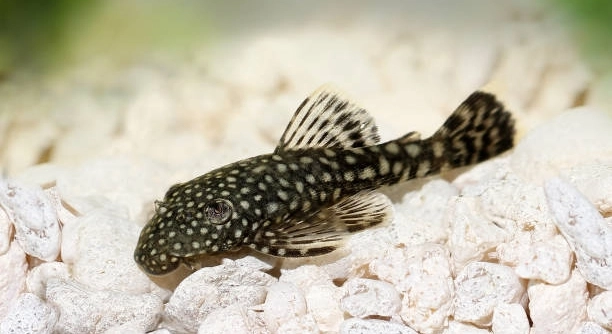
Keeping a pleco in a tank can be a rewarding experience, but ensuring their environment is stress-free is essential for their health. Like all fish, plecos thrive in a balanced and calm habitat.
To lower pleco tank stress, it is crucial to maintain proper water quality, provide ample hiding spaces, ensure consistent temperatures, and minimize disturbances. Regular tank maintenance and careful monitoring of tank mates are also key to reducing stress levels.
By focusing on these areas, you can create a peaceful environment that supports your pleco’s well-being. Small adjustments can make a significant difference in your pleco’s comfort and happiness.
Maintaining Proper Water Quality
Water quality is the most important factor when it comes to keeping your pleco healthy and stress-free. Plecos are sensitive to changes in their environment, and poor water conditions can quickly cause stress. Regularly check parameters like pH, ammonia, nitrites, and nitrates. Make sure the water temperature stays steady between 75°F and 80°F.
A good filtration system is key to keeping the water clean and well-oxygenated. It’s also crucial to perform regular water changes, about 25-30% weekly, to keep harmful toxins at bay. If you notice your pleco acting stressed or hiding more than usual, the first thing to check should be water quality.
Investing in a reliable water test kit is essential for monitoring these levels. Keeping the water parameters stable and within the ideal range helps your pleco feel more secure in its environment. Stress caused by poor water quality can affect their overall health and well-being, leading to various problems down the road.
Providing Hiding Spaces
Plecos need hiding spaces to feel safe in their tank. Whether it’s caves, plants, or driftwood, these spots offer shelter where your pleco can retreat if it feels threatened or stressed.
Adding a variety of hiding options to your tank encourages plecos to explore and reduces anxiety. A stressed pleco may hide constantly or swim erratically, signaling discomfort. Proper hiding spots can also reduce aggression from tank mates.
Plecos are bottom-dwelling creatures, so be sure to provide shelter near the substrate. You can add decorations like rocks or tubes to mimic their natural habitat. Ensuring they have enough hiding spaces helps create a secure and calm environment.
Maintaining a Stable Temperature
Plecos are sensitive to temperature changes, so it’s crucial to keep the tank’s water temperature consistent. A reliable heater is necessary to maintain a range of 75°F to 80°F. Fluctuations in temperature can cause stress, leading to weakened immune systems and possible disease.
To avoid temperature stress, consider investing in a thermometer to monitor the water. Keep the heater’s settings stable, especially if the room temperature changes. Also, be cautious of sudden drafts or heat sources near the tank, which can cause temperature swings.
If you need to adjust the temperature, do so gradually to avoid shocking the pleco. Too fast a change can lead to stress or even death. Maintaining a stable temperature not only lowers stress but also ensures your pleco thrives in its environment.
Avoiding Overcrowding
Overcrowding a tank can quickly lead to stress for plecos, as they require enough space to swim and explore. Plecos are bottom dwellers and need adequate room to move around without competition for space or food.
Be sure to research the tank size for your pleco’s species before adding other fish. A general rule of thumb is one inch of fish per gallon of water. Also, consider the pleco’s full adult size to prevent future overcrowding issues.
Another important factor is making sure the tank mates are peaceful. Aggressive or overly active fish can cause stress and prevent your pleco from finding its space. Keeping the tank population manageable creates a calmer, more peaceful environment for your pleco.
Keeping the Tank Clean
Regular tank maintenance helps reduce stress for your pleco. Remove debris and uneaten food, as these can contaminate the water and cause ammonia spikes. Clean the substrate and decorations regularly to avoid algae build-up.
Use a siphon to vacuum the substrate during water changes. This helps prevent harmful waste from accumulating and keeps the tank environment healthy. A clean tank encourages a stress-free habitat for your pleco.
By staying on top of cleaning tasks, you’ll prevent the tank from becoming a source of stress and maintain water quality for your fish.
Proper Lighting
Plecos prefer dim lighting, as they are naturally nocturnal. Bright lights can cause anxiety, making them hide more often or act skittish. Avoid direct, harsh light and opt for a subdued aquarium light.
It’s also helpful to provide a light cycle that mimics day and night, with a consistent 8-12 hours of light each day. This helps your pleco adjust to natural rhythms, reducing stress.
Investing in an adjustable light system allows you to control intensity, ensuring your pleco feels comfortable in its tank.
Providing a Balanced Diet
Feeding your pleco the right food plays a big role in reducing stress. They need a diet that includes algae wafers, vegetables, and occasional protein sources. A variety of food ensures they get all the nutrients they need to stay healthy.
Overfeeding can lead to water quality issues, which causes stress. Stick to feeding your pleco once or twice a day, providing only as much food as it can eat in 2-3 minutes.
FAQ
How can I tell if my pleco is stressed?
Signs of stress in plecos include excessive hiding, erratic swimming, loss of appetite, and darkened colors. If your pleco is constantly hiding or seems less active than usual, it may be stressed due to environmental factors like poor water quality or unsuitable tank mates. Also, a stressed pleco may scrape itself against surfaces in the tank. Regular observation of your pleco will help you spot these signs early and make necessary adjustments to reduce stress.
What is the best water temperature for plecos?
Plecos thrive in water temperatures ranging between 75°F and 80°F. Keeping the temperature in this range promotes comfort and reduces stress. Using a quality aquarium heater will help maintain a stable temperature. Avoid fluctuations, as sudden changes can cause stress and lead to health issues. Monitoring the temperature with a reliable thermometer is crucial for ensuring that your pleco remains in a stable and comfortable environment.
Can plecos live with other fish?
Yes, plecos can live with other fish, but it’s important to choose tank mates carefully. Plecos are generally peaceful but can be territorial, especially with other bottom-dwelling species. Avoid aggressive fish that may stress the pleco or compete for space. Compatible tank mates include peaceful species like tetras, guppies, or other fish that occupy different areas of the tank. Make sure your pleco has enough room to move around and hide if needed.
What kind of substrate is best for plecos?
Plecos prefer a soft, sandy substrate, as it’s gentle on their sensitive barbels. Avoid sharp gravel or rough surfaces that can damage their barbels, which they use to explore the tank. A fine-gravel substrate can also work well if it’s smooth. You can add driftwood and live plants to create a more natural environment. A suitable substrate helps plecos feel secure and supports their natural behavior of foraging on the bottom of the tank.
How often should I feed my pleco?
Plecos should be fed once or twice a day, offering only as much food as they can consume in a few minutes. Overfeeding can lead to poor water quality, which increases stress. Plecos are primarily herbivores, so their diet should include algae wafers, blanched vegetables like zucchini or cucumber, and occasional protein sources. Ensure the food you provide is appropriate for their size and dietary needs. A varied diet will keep your pleco healthy and reduce the risk of malnutrition.
Can plecos survive in cold water tanks?
Plecos are tropical fish and require warmer water, ideally between 75°F and 80°F. They will not thrive in cold water tanks, as lower temperatures can lead to stress and illness. Cold water can slow their metabolism, making it difficult for them to digest food and causing their immune system to weaken. It’s important to keep your pleco in a tank with a stable, warm temperature to ensure its health and well-being.
What should I do if my pleco is hiding too much?
If your pleco is hiding constantly, check the water quality first. Poor water conditions can cause stress, prompting the pleco to retreat. Make sure the tank has enough hiding spots and that the temperature is within the ideal range. Sometimes, tank mates may be causing stress, so consider whether any fish are being overly aggressive. If everything in the environment seems fine and the behavior persists, monitor for signs of illness, as excessive hiding can sometimes indicate health issues.
Can plecos live without a filter?
Plecos can technically survive without a filter, but a filter is highly recommended for maintaining water quality. Plecos produce a lot of waste, and a filter helps keep the water clean by removing toxins and excess nutrients. Without a filter, waste will build up more quickly, leading to poor water quality and increased stress for your pleco. If you choose not to use a filter, you will need to perform more frequent water changes to maintain a healthy environment.
How can I prevent my pleco from eating my plants?
Plecos are known to nibble on plants, especially if they’re lacking enough algae or other natural food sources. To prevent plant damage, offer a variety of foods like algae wafers, zucchini, and spinach. Ensure your pleco’s diet is well-rounded to reduce its desire to munch on live plants. Additionally, consider adding hardy plants like Java Fern or Anubias, which are more resistant to plecos’ nibbling. Keeping your pleco well-fed with nutritious foods will help divert its attention from the plants.
Why is my pleco swimming upside down?
If your pleco is swimming upside down, it could be a sign of a health issue. This behavior may indicate a swim bladder problem, which affects the fish’s ability to control buoyancy. It can also be caused by poor water quality, stress, or injury. To help your pleco, check the water parameters and ensure they are within the ideal range. If the issue persists, consult an aquarium professional or a vet with experience in fish care for proper treatment.
Final Thoughts
Ensuring that your pleco has a stress-free environment is key to its well-being. By maintaining clean water, providing adequate hiding spots, and offering a balanced diet, you can create a habitat where your pleco feels safe and comfortable. Stress can have a negative impact on your fish’s health, so it’s important to pay attention to the little details that can make a big difference. Regular tank maintenance, proper tank mates, and the right water temperature all play important roles in keeping your pleco happy.
It’s also essential to remember that plecos are bottom dwellers with specific needs, and they rely on their environment for comfort and security. A well-planned tank setup, with enough space, hiding areas, and the right decorations, will help reduce anxiety. Avoid overcrowding, which can lead to aggression and stress, and be mindful of tank mates that may not be compatible with your pleco’s peaceful nature. Taking the time to research and understand your pleco’s needs will go a long way in preventing stress-related issues.
Ultimately, creating a stable, stress-free environment for your pleco will not only improve its health but also allow you to enjoy its natural beauty. By staying consistent with water quality, feeding habits, and tank conditions, you can ensure a long and happy life for your pleco. Stress-free plecos are more active, healthier, and more likely to thrive in the tank. With a little effort and attention to detail, you can help your pleco lead a comfortable life in your aquarium.

Hello,
If you enjoy the content that we create, please consider saying a "Thank You!" by leaving a tip.
Every little bit helps us continue crafting quality advice that supports the health, happiness, and well-being of pets around the world, for pets of all shapes, sizes, and species.
We really appreciate the kindness and support that you show us!