
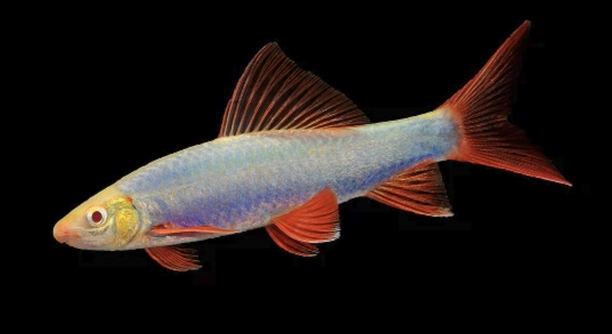
Keeping a Rainbow Shark healthy requires attention to its environment and diet. Many aquarium owners want to ensure their fish thrive and avoid common health problems. Proper care is essential for long-term well-being.
The key to maintaining a Rainbow Shark’s health lies in stable water conditions, balanced nutrition, and a well-maintained tank. Regular monitoring and preventive measures reduce stress and disease risks, promoting longevity and active behavior in this freshwater species.
Understanding these basics will help you provide the best care possible. Following simple steps can make a big difference in your Rainbow Shark’s life.
Maintain Stable Water Conditions
Keeping water conditions stable is crucial for your Rainbow Shark’s health. They need clean water with the right temperature, pH, and hardness. The ideal temperature is between 74°F and 81°F. pH should be neutral to slightly acidic, around 6.5 to 7.5. Use a reliable water testing kit regularly to check these levels. Avoid sudden changes in temperature or water chemistry, as Rainbow Sharks are sensitive and can get stressed easily. Perform regular partial water changes, about 20-25% weekly, to remove waste and toxins. Proper filtration is also important to keep the water clear and oxygen-rich. Using a good aquarium filter and keeping it clean helps maintain the balance. When setting up the tank, make sure there is enough space because Rainbow Sharks need room to swim. Overcrowding can lead to poor water quality and stress, which affects their immune system.
Water stability prevents stress and reduces the risk of illness in Rainbow Sharks.
Consistent monitoring and maintenance of water quality support your Rainbow Shark’s health. A clean environment prevents infections and encourages natural behavior. Taking time each week to test and adjust water parameters creates a safe habitat. Using water conditioners removes harmful chemicals like chlorine. Ensuring proper aeration and flow promotes oxygen levels. A well-maintained tank reduces harmful bacteria and algae growth. Your attention to water quality directly impacts the vitality and lifespan of your Rainbow Shark.
Provide a Balanced Diet
A balanced diet is essential for keeping your Rainbow Shark healthy. They are omnivores, so their food should include both plant-based and protein-rich items. High-quality sinking pellets designed for bottom feeders make a good staple. Supplement their diet with live or frozen foods like bloodworms, brine shrimp, or daphnia. Fresh vegetables such as zucchini or spinach can be offered occasionally. Feeding small amounts twice daily helps prevent overfeeding and water pollution. Avoid feeding only flakes or the same food daily because it can cause nutritional deficiencies. Rotate food types to ensure your fish gets a variety of nutrients. Proper nutrition supports vibrant color, strong immune function, and steady growth.
Rainbow Sharks benefit from diverse, nutrient-rich foods for long-term wellness.
Offering variety keeps your Rainbow Shark interested in food and helps avoid dietary boredom. You can try different textures and sources of protein and plants. Homemade food mixes can also be made using fish-safe ingredients. Feeding fresh vegetables occasionally supports digestion and adds fiber. It’s important to remove uneaten food after feeding to maintain tank cleanliness. Watching your fish during feeding times lets you monitor their appetite and detect early health issues. Good feeding habits contribute directly to your Rainbow Shark’s strength and activity.
Provide Hiding Places and Decorations
Rainbow Sharks need places to hide to feel safe. Adding caves, plants, and decorations reduces stress and encourages natural behavior. Without hiding spots, they may become anxious and aggressive.
Decorations should be smooth and free of sharp edges to avoid injuries. Live or artificial plants create shelter and mimic their natural environment. Arrange rocks or driftwood to form caves or tunnels, which give them refuge. Avoid overcrowding the tank with too many decorations, as they need swimming space. Position hiding spots evenly throughout the aquarium to offer options and reduce territorial disputes. Changing the layout occasionally can help keep the environment interesting and stimulating for your fish.
Providing hiding places supports your Rainbow Shark’s well-being by lowering stress levels and encouraging exploration. This setup helps maintain a peaceful community tank, especially if you have other fish. A comfortable habitat promotes active and healthy fish that show their natural colors and behaviors. Watching your Rainbow Shark explore its environment is rewarding and shows that it feels secure.
Keep Compatible Tank Mates
Choosing tank mates carefully is essential for a peaceful aquarium. Rainbow Sharks can be territorial, especially with fish of similar size and shape. Avoid keeping multiple Rainbow Sharks in small tanks, as they may fight. Suitable tank mates include peaceful species that occupy different tank levels, such as tetras, danios, or barbs. These fish are less likely to provoke aggression and can coexist well. Avoid slow-moving or long-finned fish, as they may become targets. Always observe interactions and be ready to separate fish if aggression occurs. Good compatibility promotes harmony and reduces stress for all inhabitants.
Monitor Fish Behavior Regularly
Watching your Rainbow Shark’s behavior helps catch health issues early. Changes in activity or appetite often signal problems. Stay attentive to any signs of stress or illness.
Regular observation lets you address concerns before they worsen. Noticing subtle differences in swimming patterns or appearance supports timely care and treatment.
Perform Regular Tank Maintenance
Cleaning the tank consistently is key to a healthy environment. Removing uneaten food and debris prevents harmful bacteria growth. Regular water changes help maintain optimal water quality and reduce toxins. Keeping filters clean ensures efficient water flow and filtration. A well-maintained tank lowers stress and disease risk for your Rainbow Shark and other fish. Consistency in maintenance routines is important to avoid sudden changes that could upset water balance. Using proper tools makes cleaning easier and safer for your aquatic life. This effort directly supports the long-term health of your aquarium inhabitants.
Avoid Overcrowding
Too many fish in the tank leads to poor water quality and stress. Keeping appropriate stocking levels ensures enough space for swimming and hiding.
FAQ
How often should I feed my Rainbow Shark?
Feeding your Rainbow Shark twice a day is best. Give small portions that they can finish in a few minutes. Overfeeding can pollute the water and cause health problems. Offering a balanced diet with pellets, frozen foods, and vegetables helps keep them healthy.
What is the ideal tank size for a Rainbow Shark?
A minimum tank size of 30 gallons is recommended for one Rainbow Shark. They are active swimmers and need space to move freely. Larger tanks are better if you plan to keep multiple fish or tank mates to reduce territorial behavior.
Can Rainbow Sharks live with other fish?
Yes, but choose tank mates carefully. Peaceful, fast-swimming fish that occupy different areas of the tank work best. Avoid fish with long fins or slow swimmers, as Rainbow Sharks may show aggression. Monitoring their interactions regularly is important.
How do I know if my Rainbow Shark is stressed?
Signs of stress include hiding excessively, loss of appetite, erratic swimming, or faded colors. Stress can result from poor water quality, overcrowding, or lack of hiding places. Addressing these issues quickly improves their well-being.
What water parameters are best for Rainbow Sharks?
Keep water temperature between 74°F and 81°F. The pH should range from 6.5 to 7.5, and water hardness between 5-15 dGH. Use test kits often to ensure stability. Sudden changes in water parameters can cause stress and illness.
How often should I change the water?
Perform partial water changes of about 20-25% weekly. This helps remove toxins and waste, keeping the water clean and healthy. More frequent changes may be needed in heavily stocked or smaller tanks.
What do Rainbow Sharks eat in the wild?
In nature, Rainbow Sharks are omnivores. They eat algae, plant matter, insects, and small crustaceans. Replicating this variety with pellets, vegetables, and live or frozen protein foods helps meet their dietary needs.
Can Rainbow Sharks live without hiding spots?
No, hiding spots are important for reducing stress. They provide shelter and security. Without places to hide, Rainbow Sharks may become aggressive or anxious. Adding caves, plants, and decorations helps create a comfortable environment.
How long do Rainbow Sharks live?
With proper care, Rainbow Sharks can live 5 to 8 years or longer. Good water quality, balanced diet, and stress reduction are key factors in their lifespan. Regular observation and maintenance contribute to a healthy life.
What diseases commonly affect Rainbow Sharks?
Common illnesses include ich, fin rot, and fungal infections. These are often linked to poor water quality or stress. Quarantining new fish and maintaining tank cleanliness help prevent outbreaks. Early treatment improves chances of recovery.
Is it okay to keep multiple Rainbow Sharks together?
Only if you have a very large tank, ideally over 75 gallons. They are territorial and may fight in smaller spaces. Providing plenty of hiding spots and visual barriers can reduce aggression, but caution is necessary.
How do I handle aggression in the tank?
If your Rainbow Shark becomes aggressive, try rearranging decorations to break sight lines. Adding more hiding spots can help. If aggression continues, consider separating the fish to prevent injury.
Can Rainbow Sharks tolerate different water types?
Rainbow Sharks prefer soft to moderately hard water with neutral pH. Sudden changes or extreme conditions can cause stress. Gradual adjustments and stable water chemistry are important for their health.
Should I use a filter in the tank?
Yes, a good filter is essential. It helps keep the water clean by removing debris and waste. Filters also increase oxygen levels and support beneficial bacteria growth. Regular cleaning keeps the filter effective.
How can I encourage natural behavior?
Providing enough space, hiding places, and a balanced diet encourages swimming and foraging. Avoid overcrowding and maintain water quality to keep your Rainbow Shark active and vibrant. Observing these behaviors shows they feel comfortable.
This FAQ covers the most common questions about caring for Rainbow Sharks. Following these guidelines will help ensure your fish stays healthy and happy in your aquarium.
Final thoughts on keeping a Rainbow Shark healthy focus on consistency and attention to detail. These fish require stable water conditions, proper diet, and a well-maintained tank to thrive long-term. Regular monitoring of water quality and fish behavior can prevent many common health issues. Small daily efforts, like feeding the right foods and checking for signs of stress, add up to a strong foundation for their care. Keeping the environment clean and peaceful reduces the chance of disease and supports natural behavior.
Creating a balanced habitat with enough space, hiding places, and compatible tank mates helps reduce stress and aggression. Rainbow Sharks are active swimmers and can become territorial, so tank size and layout matter. Decorations and plants provide shelter and comfort, which makes your fish feel secure. Choosing peaceful fish to live alongside them ensures a calm tank. Avoid overcrowding to maintain good water quality and give each fish enough room to thrive.
Long-term health depends on steady care and understanding the needs of your Rainbow Shark. Paying attention to water parameters, diet variety, and tank maintenance creates a safe environment. Being patient and observant helps you notice small changes that may require action. Overall, simple, consistent care will allow your Rainbow Shark to live a full, healthy life. Taking the time to learn about their needs is worthwhile for anyone dedicated to aquarium keeping.

Hello,
If you enjoy the content that we create, please consider saying a "Thank You!" by leaving a tip.
Every little bit helps us continue crafting quality advice that supports the health, happiness, and well-being of pets around the world, for pets of all shapes, sizes, and species.
We really appreciate the kindness and support that you show us!