
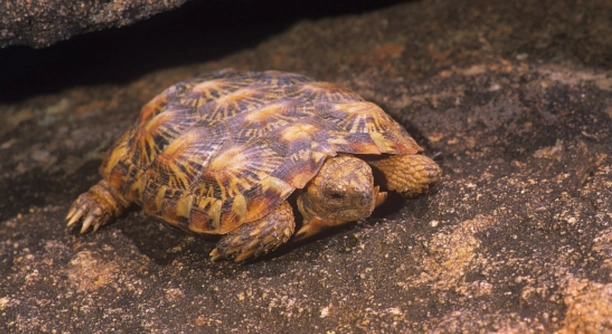
Keeping your pancake tortoise’s tank odor-free can be a challenge, but it’s manageable with the right steps. The good news is that maintaining a clean, fresh environment is easier than it seems when you know what to do.
To keep your pancake tortoise’s tank odor-free, regular cleaning is essential. Remove uneaten food, spot clean waste, and change the water frequently. Use appropriate substrate and ensure proper ventilation. These steps will greatly reduce any unpleasant smells in the habitat.
Maintaining a healthy tank environment will make a noticeable difference.
Regular Tank Cleanings
A clean tank is the foundation for a fresh-smelling environment. To prevent odors, it’s important to clean the tank regularly. Start by removing uneaten food. Leftovers can quickly decay, contributing to unpleasant smells. It’s also essential to spot-clean the waste daily. If your tortoise tends to leave droppings around, clear them away as soon as you notice them. Doing this will limit the bacteria growth that causes odor. Don’t forget to wash the tank thoroughly at least once a month. This will help eliminate any built-up grime that may be hard to reach in everyday cleaning.
Cleaning is one of the easiest ways to keep the tank odor-free.
While cleaning the tank, make sure to refresh the substrate. Old bedding or sand can trap moisture, leading to odors over time. Opt for materials that are easy to clean and replace. Materials like coconut husk or sphagnum moss are good choices. They’re absorbent and can keep the environment dry, reducing odor. However, be sure to change the bedding every couple of months to maintain its effectiveness.
Proper Ventilation
Proper ventilation plays a huge role in controlling odor. Stale air can make any tank smell worse, even if it’s been cleaned. Make sure your pancake tortoise’s tank has airflow. If the tank has a lid, be sure it allows air to circulate. Consider adding a small fan or keeping the tank in a well-ventilated room. Good airflow helps the tank dry out faster, preventing excess humidity. Humid environments are a breeding ground for bacteria that cause unpleasant smells. Proper ventilation also ensures the air stays fresh, keeping your tortoise’s habitat comfortable.
Adequate ventilation not only controls odor but also contributes to the overall health of your tortoise.
Substrate Selection
Choosing the right substrate can make a big difference in keeping odors at bay. Certain materials like sand or soil can trap moisture, leading to unpleasant smells. Opt for dry, absorbent substrates such as coconut husk or cypress mulch. These materials are great at soaking up moisture, helping to keep the tank dry and odor-free. The right substrate also helps with the tortoise’s natural behavior, providing a comfortable environment for digging and hiding.
For a cleaner tank, avoid using substrates that retain water too long, like wet sand. Wet substrate can create a damp environment, encouraging bacteria growth, which contributes to foul odors. It’s essential to spot clean daily and change the substrate completely every few months. This will ensure that the bedding remains fresh and prevents the buildup of waste that can create an unpleasant smell. A clean substrate will also prevent mold and mildew from forming.
Water Maintenance
The water bowl is a common area where odors can develop. To avoid this, change the water daily. Make sure the bowl is large enough for your pancake tortoise to soak comfortably but shallow enough for easy cleaning. Regular water changes not only keep the water clean but also prevent any stagnant water smells that may arise. If the bowl is dirty, wash it thoroughly with mild soap and warm water.
It’s important to maintain clean water to keep the overall tank environment healthy. Stagnant water can breed bacteria, which leads to bad odors and health issues for your tortoise. To avoid this, use water dechlorinators if needed. You should also monitor the water’s temperature, making sure it’s at an ideal level to prevent rapid algae growth. Adding fresh water regularly will reduce the chance of any unpleasant smells and keep your tortoise hydrated.
Tank Size and Setup
The size of your pancake tortoise’s tank plays a role in odor control. A larger tank allows for better airflow and easier cleaning. If the tank is cramped, waste and moisture can accumulate quickly, creating a smelly environment. Ensure the tank is appropriately sized for your tortoise, with enough space to move around and maintain a dry area.
A spacious setup helps reduce the concentration of waste and moisture, both of which contribute to odor. Adding rocks, hides, or plants to the tank also creates areas where waste can be more easily contained. This keeps the overall environment cleaner and more comfortable.
Avoid Overfeeding
Overfeeding can lead to excess waste, which can make the tank smell worse. Always monitor how much food you’re offering your pancake tortoise. If uneaten food is left behind, it will quickly begin to rot and add to the odor. Stick to a consistent feeding schedule to avoid leftovers.
Overfeeding can also impact your tortoise’s health, leading to obesity or digestive issues. By offering an appropriate amount of food, you can maintain both a cleaner tank and a healthier tortoise. Always remove uneaten food after a few hours to prevent it from rotting and creating odor in the tank.
FAQ
How often should I clean my pancake tortoise’s tank?
It’s best to clean the tank once a week, but spot cleaning should be done daily. Remove uneaten food, waste, and any other debris as soon as you see it. Once a month, thoroughly wash the tank with mild soap and water to remove any built-up grime. Don’t forget to replace the substrate every couple of months to keep the tank fresh.
What should I do if my tank smells even after cleaning?
If your tank still smells after regular cleaning, the problem could be the substrate, the water bowl, or poor ventilation. Check that the substrate is absorbent enough to control moisture. Replace any wet or moldy bedding. Also, make sure you’re changing the water daily and cleaning the bowl regularly. Lastly, ensure the tank has proper airflow by using a lid with ventilation holes or placing the tank in a well-ventilated area.
Can I use air fresheners in the tank to cover up odors?
Air fresheners are not recommended for your pancake tortoise’s tank. While they may mask odors temporarily, they can introduce harmful chemicals into the environment. These chemicals could negatively impact your tortoise’s health. Instead, focus on cleaning, proper ventilation, and substrate maintenance to control odors naturally.
Why does my pancake tortoise’s tank smell like ammonia?
An ammonia smell usually means there’s a buildup of waste in the tank, such as urine or uneaten food. It’s important to clean the tank more frequently and remove waste immediately. If the tank still smells like ammonia, the substrate may not be absorbing moisture properly, and you might need to switch to a more absorbent material.
How can I reduce humidity in my pancake tortoise’s tank?
High humidity can cause odors and encourage mold and bacteria growth. To reduce humidity, ensure your tank is ventilated properly. Avoid using excessive water in the tank or in the water bowl. You can also use a dehumidifier in the room or switch to a more absorbent substrate that helps control moisture.
Can I use a filter in the water bowl?
A filter can help keep the water cleaner, but it’s still important to change the water daily. A filter will not prevent bacteria from growing in the water, so regular cleaning is still necessary. If you do use a filter, be sure it’s easy to clean and maintain.
How do I prevent mold from growing in the tank?
Mold thrives in moist environments, so controlling humidity is key. Make sure the tank has good ventilation and avoid excessive moisture in the substrate. Check the tank regularly for any signs of mold and clean it immediately if you spot any. You can also add a bit of baking soda to the substrate to help absorb moisture.
Is it okay to use sand as a substrate for my pancake tortoise?
Sand can be used but is not ideal for controlling odors. If sand gets wet, it can become compacted and create an odor problem. Additionally, sand is difficult to clean and can trap waste, which will lead to unpleasant smells. If you choose sand, replace it regularly and make sure it’s kept dry.
How do I clean the water bowl properly?
To clean the water bowl, empty it daily and wash it with warm water and mild soap. Rinse thoroughly to ensure no soap residue remains. If you notice algae or grime buildup, scrub the bowl with a non-abrasive sponge to remove any debris. Regular cleaning will help prevent odors from forming.
Why is my tortoise’s waste causing the tank to smell?
The smell from waste is typically caused by the decomposition of food or waste material. If food is left uneaten, it can rot, causing unpleasant smells. Spot clean daily, and make sure to remove any waste right away. Also, ensure that the tank is well-ventilated to prevent the build-up of moisture and bacteria, which contribute to the odor.
Should I use a lid on the tank to help with odors?
A lid can help control odors by trapping moisture and heat inside, but it must have proper ventilation. Without airflow, a sealed tank can trap humidity, which can worsen odors. Ensure the tank has air holes or a screen lid to allow the air to circulate and reduce humidity.
Final Thoughts
Keeping your pancake tortoise’s tank odor-free is essential for both the health of your tortoise and the comfort of your home. By paying attention to the basics, like regular cleaning and proper substrate selection, you can create a more pleasant environment. Proper waste removal is key to preventing unwanted smells, and choosing absorbent materials, like coconut husk or cypress mulch, will help keep moisture at bay. It’s important to stick to a consistent cleaning routine to avoid any build-up that could cause issues.
Water maintenance also plays a big role in odor control. Regularly changing the water in your tortoise’s bowl prevents any stagnation, which can lead to foul smells. Keeping the water clean and ensuring that your tank has good ventilation will also help maintain a healthy environment for your tortoise. Humidity levels need to be monitored, as too much moisture can lead to bacteria growth. Be mindful of the temperature and humidity levels in the tank to prevent any mold or mildew from forming.
Lastly, remember that odors are often a sign of an underlying issue, whether it’s overfeeding, excess waste, or poor ventilation. By addressing these issues and staying consistent with your tank care routine, you will have a cleaner, fresher tank. A little effort goes a long way in maintaining a healthy, odor-free environment for your pancake tortoise.

Hello,
If you enjoy the content that we create, please consider saying a "Thank You!" by leaving a tip.
Every little bit helps us continue crafting quality advice that supports the health, happiness, and well-being of pets around the world, for pets of all shapes, sizes, and species.
We really appreciate the kindness and support that you show us!