
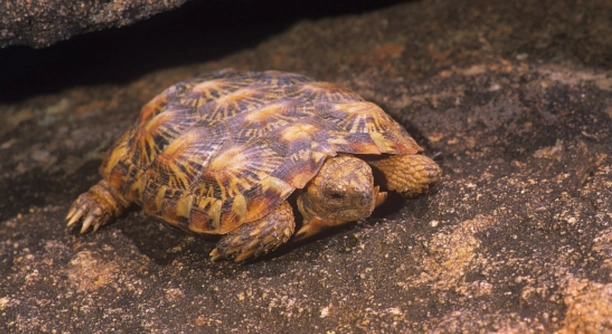
Pancake tortoises are unique creatures, and protecting them from predators is important for their well-being. Understanding simple safety measures ensures they thrive in their environment.
To keep your pancake tortoise safe from predators, create a secure enclosure with adequate hiding spots and barriers. Proper fencing, monitoring for signs of predators, and maintaining a natural habitat are key to ensuring their safety.
Implementing these measures will help create a safe space, reducing the risks your pancake tortoise faces.
Create a Secure Enclosure
A well-secured enclosure is essential to protecting your pancake tortoise from predators. Use sturdy materials like wood or metal for the walls and ensure there are no gaps. The enclosure should be tall enough to prevent climbing, and the floor must be smooth, so predators cannot burrow in. Adding a lid or mesh top can also prevent aerial threats.
Be sure to use natural elements like rocks and logs to make the enclosure more secure while allowing your tortoise to feel at ease. Providing places to hide, such as small caves or shelters, gives your tortoise a sense of safety. The more your tortoise can retreat and feel secure, the healthier it will be.
Maintaining a proper, secure environment helps prevent unexpected risks and gives your tortoise a stable, controlled space to thrive. It will also minimize the chances of predators sneaking into its home unnoticed. Regular checks and updates to the enclosure’s integrity ensure that no vulnerabilities are left exposed, helping your tortoise stay safe.
Proper Fencing
A proper fence around the enclosure can make a significant difference in predator prevention. Ensure the fence is tall and firmly planted in the ground.
Burrowing animals, such as foxes, can dig underneath fences, so burying the base of the fence several inches deep can stop them from entering. Using materials like galvanized steel or wire mesh can add strength and durability. It’s important to choose fencing that is both sturdy and predator-proof.
Make sure the top of the fence is either covered or slanted. This prevents predators from climbing over. A secure fence ensures your pancake tortoise remains safe and minimizes the risk of an attack.
Hide Your Tortoise in Plain Sight
Adding hiding spots within the enclosure helps your pancake tortoise feel secure and less vulnerable to predators. Natural features like rocks, bushes, or logs can act as cover and provide a sense of safety.
Incorporating shelters like small caves or burrows allows the tortoise to retreat and reduce stress. These hiding places mimic the tortoise’s natural environment, where they can escape danger. It also encourages more natural behavior, which promotes overall well-being.
Regularly monitor these hiding spots for any damage or wear. Ensuring they remain in good condition helps maintain a safe environment for your tortoise to thrive. By offering places to hide, you reduce the chances of an attack and give your tortoise the space to feel secure.
Proper Feeding Techniques
Feeding your pancake tortoise in the right way is important for its health and safety. Providing a balanced diet that includes leaves, grasses, and vegetables keeps your tortoise strong and alert.
Consider the timing of meals as well. Offering food during daylight hours when predators are less active makes it easier for your tortoise to eat without fear. If you’re offering food outside the enclosure, ensure that it’s away from areas where predators could lurk.
By controlling feeding times and the location, you help your tortoise focus on eating without the risk of being caught by unexpected threats. Make sure the feeding area remains clean and free from other potential dangers that may attract predators.
Monitor the Environment
Regularly checking the surroundings ensures there are no new threats or predators nearby. Look for signs of animals or potential risks.
Any changes, like new tracks or the presence of other animals, should be addressed immediately. Keeping the area clear of debris or overgrowth reduces the chance for predators to hide.
Use Motion Detectors
Motion detectors or cameras can alert you to any activity around your tortoise’s enclosure. These devices help monitor the area without being physically present.
They provide an extra layer of security, notifying you immediately if something approaches the enclosure. This technology allows you to respond quickly if a predator is detected, ensuring your tortoise stays safe at all times.
Stay Consistent With Maintenance
Maintaining your tortoise’s habitat is essential for its long-term safety. Regularly inspect the enclosure, food supply, and hiding spots to make sure everything is in top condition.
Keeping up with small repairs and adjustments ensures no opportunities for predators to exploit vulnerabilities. Routine checks help prevent any surprises that could put your tortoise at risk.
FAQ
What are the most common predators of pancake tortoises?
The most common predators of pancake tortoises are larger mammals, such as foxes, raccoons, and wild dogs. Birds of prey, like hawks or eagles, can also pose a threat, especially to younger or smaller tortoises. Snakes may attempt to enter enclosures if there are gaps. These predators are drawn to tortoises because they are slow-moving and can be easy targets if not protected properly.
How can I tell if a predator has been near my tortoise’s enclosure?
Look for signs such as footprints, scat, or damage to the fencing. If you find shredded materials, broken walls, or dug-up dirt, these are clear indicators that a predator may have attempted to enter. In addition, sudden stress or unusual behavior from your tortoise, like hiding more often than usual, can indicate that a predator has been nearby.
Should I be worried about other pets in the household?
Yes, if you have other pets, such as dogs or cats, they can be a significant threat to your pancake tortoise. Even if they are not intentionally aggressive, their curiosity or playfulness can result in harm. Always supervise interactions or keep your tortoise in a secure, isolated space where other pets cannot access it.
Can I use natural predators to keep other animals away from my tortoise?
Using natural predators, such as certain types of guard animals, is generally not recommended for pancake tortoises. While some animals like dogs or geese can deter smaller predators, they might end up being a threat themselves. It’s safer to rely on secure enclosures and careful monitoring instead of using other animals as protection.
How can I prevent birds of prey from attacking my tortoise?
Birds of prey can be prevented by ensuring that the enclosure has a solid roof or mesh cover. Make sure the mesh is small enough to prevent talons from grabbing your tortoise. Using materials such as chicken wire or hardware cloth can provide a sturdy barrier against aerial threats.
What should I do if I spot a predator near my tortoise’s enclosure?
If you spot a predator near your tortoise’s enclosure, take immediate action by scaring it away. Loud noises, flashing lights, or spraying the predator with water can deter it. Make sure to check the enclosure for any damage afterward and reinforce any weak points to prevent future attempts.
How often should I check my tortoise’s enclosure for damage?
You should check your tortoise’s enclosure at least once a week for any signs of wear and tear. However, after storms or any disturbances in the area, it’s important to check more frequently. This will ensure that any gaps or damages are repaired promptly, maintaining a secure environment for your tortoise.
Can I use a motion sensor alarm to protect my tortoise?
Yes, using a motion sensor alarm is a great way to enhance security. These alarms can be set up around the perimeter of the enclosure and will alert you to any movement in the area. They provide an early warning system and allow you to take quick action if a predator is detected.
Do I need to provide food outside of the enclosure for my tortoise?
No, it’s generally safer to feed your pancake tortoise inside the enclosure. This reduces the risk of attracting predators to the area by placing food outside. If you do need to offer food outside, make sure it is in a secure, enclosed space and away from areas where predators may lurk.
How can I keep my tortoise calm during predator threats?
To keep your tortoise calm, provide hiding spots and a quiet, secure environment. Avoid sudden movements or loud noises that could stress your tortoise out further. If you notice your tortoise acting anxious, it’s important to ensure the enclosure is safe and make any necessary adjustments immediately.
Are there any specific plants I should avoid planting near my tortoise’s enclosure?
Yes, certain plants can attract pests or animals that may pose a threat to your tortoise. Avoid planting dense, overgrown vegetation close to the enclosure, as it can create hiding spots for predators. Additionally, plants that bear fruit or strong scents could attract unwanted attention from animals.
What type of fencing is best for protecting my pancake tortoise?
The best fencing for a pancake tortoise is one made from strong, durable materials like galvanized steel, metal mesh, or reinforced wire. The fence should be tall enough to prevent climbing and buried several inches into the ground to stop digging predators. A solid roof or top is also necessary to protect against birds of prey.
Can I use natural barriers like bushes to keep predators away?
Natural barriers like bushes can provide some protection but should not be relied upon as the primary defense. While they might block some predators’ line of sight, they can also create hiding places for them. Always combine natural barriers with proper fencing, monitoring, and a secure enclosure to ensure maximum safety.
How can I safely transport my pancake tortoise to a new location?
When transporting your pancake tortoise, use a secure, well-ventilated carrier that keeps it safe from harm. Ensure the carrier is appropriately sized, allowing the tortoise to remain comfortable. Avoid exposing your tortoise to direct sunlight or sudden temperature changes, as this can cause stress or harm.
Final Thoughts
Ensuring the safety of your pancake tortoise from predators requires attention to detail and consistent care. By understanding the common threats and implementing protective measures, you can significantly reduce the risk of harm. This includes monitoring the environment, using secure enclosures, and reinforcing any weak spots. It’s essential to stay proactive in checking for signs of predators and to act quickly if you spot any potential risks. Small adjustments, such as reinforcing the fencing or adding motion sensors, can make a big difference in keeping your tortoise safe.
Taking the time to create a secure and stress-free environment for your tortoise is key to its well-being. The right balance of safety, proper diet, and a calm living space will allow your pancake tortoise to thrive. You should also stay consistent in providing regular care and ensuring its enclosure is well-maintained. By doing so, you help your tortoise feel secure and protected, allowing it to live its life without the constant threat of predators. Protecting your tortoise is not just about preventing physical harm but also about ensuring its mental and emotional health.
In the long run, the effort you put into safeguarding your tortoise from predators will contribute to its overall happiness and health. As you continue to monitor and adjust its environment, your tortoise will have the best chance to live a long and healthy life. Whether it’s using secure fencing, creating hiding spots, or remaining vigilant for potential threats, all of these measures combine to offer the highest level of protection. With time and attention, your pancake tortoise can enjoy a life free from the dangers of predators, allowing you to fully enjoy the unique companionship it provides.

Hello,
If you enjoy the content that we create, please consider saying a "Thank You!" by leaving a tip.
Every little bit helps us continue crafting quality advice that supports the health, happiness, and well-being of pets around the world, for pets of all shapes, sizes, and species.
We really appreciate the kindness and support that you show us!