
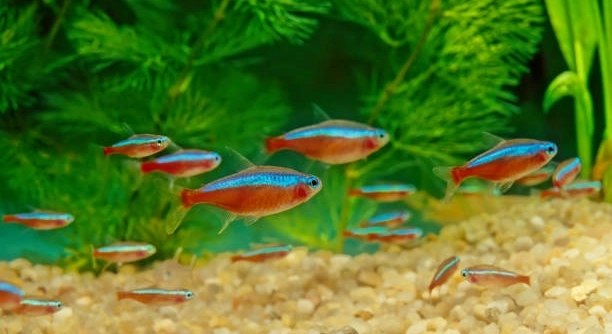
Maintaining a stable pH level in your neon tetra tank is essential for the health of your fish. A slight imbalance in pH can cause stress, disease, and even death. Keeping the pH within an ideal range is key.
The pH of your neon tetra tank can be stabilized by regularly monitoring water parameters, using proper filtration, adding natural buffers, and performing consistent water changes. Additionally, controlling feeding habits and maintaining a steady environment will support a balanced pH level.
Taking simple actions to control your tank’s pH can prevent long-term issues and ensure your neon tetras thrive in their environment.
1. Regular Water Changes Are Key
Regular water changes are crucial for maintaining a stable pH level in your neon tetra tank. Over time, waste, uneaten food, and excess nutrients build up, causing fluctuations in water quality and pH. By performing water changes once a week or every two weeks, you can remove these contaminants and keep the pH balanced. The water you add should match the temperature and pH of the tank to prevent sudden changes that could stress your fish.
Frequent water changes help dilute any toxins in the water. This reduces the chances of pH swings caused by organic matter.
When you change the water, it’s important to use a water conditioner to eliminate chlorine and chloramine, which can harm your fish and alter pH. Testing the water regularly before and after each change ensures that you are maintaining a stable environment for your neon tetras. A consistent routine is essential for long-term health and pH stability.
2. Monitor Water Parameters
Keeping an eye on your tank’s water parameters will help you spot potential problems before they affect your fish.
Testing your water regularly for pH, ammonia, nitrite, and nitrate levels helps you identify any imbalances. If your pH is consistently high or low, you can take action before your fish become stressed. Adjusting the water quality based on test results ensures the pH stays stable.
By monitoring your tank’s conditions, you can easily spot changes and prevent drastic shifts in the pH level. Make it a habit to test every week to keep your fish safe.
3. Use Proper Filtration
A good filtration system is essential for maintaining a stable pH in your neon tetra tank. Filters help remove excess waste and harmful substances that can lead to pH imbalances. Choose a filter that matches the size of your tank and ensures proper water flow.
The right filter will prevent organic waste, which can cause pH swings as it breaks down. It helps maintain a healthy, clean environment by removing harmful substances before they build up. Be sure to clean the filter regularly to ensure it is working effectively.
In addition to mechanical filtration, a biological filter adds beneficial bacteria to break down ammonia and nitrites, helping stabilize pH levels. These bacteria are crucial for converting waste into safer compounds, preventing pH fluctuations caused by harmful waste buildup. With the right filter, your tank will stay cleaner, and your fish will thrive.
4. Add Natural Buffers
Using natural buffers can help regulate the pH in your neon tetra tank. Natural substances like driftwood, almond leaves, or peat moss can help maintain a slightly acidic environment, which is ideal for neon tetras. These materials gradually release tannins and organic acids that stabilize pH levels.
Driftwood is an excellent natural buffer because it lowers pH by releasing tannins as it decomposes. This helps create a more natural environment for your fish. Peat moss can also lower pH over time, but be sure to monitor its effects as it can lower pH too much if used excessively.
Adding almond leaves not only helps stabilize pH but also mimics the natural habitat of neon tetras. Their decomposing leaves release natural acids, which make the water slightly acidic. This will keep your tank environment closer to what your fish need for optimal health.
5. Control Feeding Habits
Overfeeding can cause excess nutrients in the water, leading to pH instability. Feed your neon tetras only what they can consume within a few minutes. Leftover food decomposes, increasing waste and disrupting pH levels.
By controlling the amount you feed, you reduce the chances of water contamination. This keeps the pH more stable and helps maintain overall water quality.
A good practice is to feed your fish twice a day, offering only small portions. This prevents uneaten food from decaying in the tank and causing pH fluctuations. Consistent feeding schedules also help keep your tank environment stable.
6. Maintain a Stable Temperature
Keeping the water temperature consistent is important for pH stability. Rapid changes in temperature can cause shifts in pH, making it harder to maintain a healthy environment for your fish. Invest in a reliable heater to regulate the water temperature.
Neon tetras prefer water between 72°F and 78°F. When the temperature rises or falls quickly, it can impact both fish health and pH. Gradual temperature changes, on the other hand, are much less likely to cause harmful shifts in the tank’s pH level.
A stable temperature also helps beneficial bacteria thrive. These bacteria play a significant role in maintaining water quality and ensuring that pH remains stable. Regularly check the heater to avoid sudden temperature changes that could harm your fish.
7. Avoid pH-Shifting Chemicals
Avoid adding any chemicals to your tank that could cause fluctuations in pH. Many chemical treatments, including certain water conditioners or medications, can alter the pH. Choose products specifically designed for use in neon tetra tanks.
It’s tempting to use pH-adjusting chemicals, but they can create more problems than they solve. These chemicals may temporarily change the pH, but they don’t address the underlying causes of pH imbalances. Overuse of such products can stress your fish and destabilize the tank environment.
Instead, focus on maintaining a stable environment through natural methods. Regular water changes, filtration, and proper feeding habits will prevent the need for chemical interventions. Keeping your tank free of harsh chemicals is the best way to keep your neon tetras happy and healthy.
FAQ
What is the ideal pH level for neon tetras?
Neon tetras thrive in slightly acidic water with a pH range of 6.0 to 7.0. Maintaining this range will help them feel comfortable and reduce stress. Too high or too low a pH can make the fish vulnerable to disease and make them less active. Regular water testing helps ensure you keep the pH level within the optimal range.
How often should I check the pH of my tank?
It’s a good idea to check the pH of your tank at least once a week. Regular testing helps you catch any changes early before they negatively affect your fish. If you notice any fluctuation, take action to bring the pH back to a stable level. You can also test more frequently after water changes to monitor the impact of those changes.
How do I know if my tank’s pH is too high or too low?
If your neon tetras are swimming erratically or showing signs of stress like gasping at the surface, it might be a sign of pH imbalance. A sudden drop in pH can lead to acidosis, while a high pH can cause alkalosis. Both conditions are harmful. If your water test shows a reading outside of the 6.0 to 7.0 range, adjustments need to be made.
Can I use tap water for my neon tetra tank?
Tap water can be used, but it’s important to check its pH and quality first. Some tap water may have chemicals like chlorine, chloramine, or hard minerals that can affect the health of your fish. Use a water conditioner to remove chlorine and chloramine, and test the water to ensure the pH is within the appropriate range for neon tetras.
Should I use bottled water for my fish tank?
Bottled water can be an option, but it’s not always the best choice. While it may have a neutral pH, some bottled waters contain minerals that can alter the pH over time. Always test bottled water before using it, and make sure it doesn’t contain added minerals or salts that could affect your tank’s ecosystem.
What are the best natural methods to stabilize pH?
Driftwood, almond leaves, and peat moss are great natural options for stabilizing pH. Driftwood releases tannins that naturally acidify the water, making it more suitable for neon tetras. Almond leaves also help by releasing organic acids, and peat moss lowers pH gradually without harsh chemicals. These methods mimic the fish’s natural environment, offering a more natural and safer way to manage pH.
How can I raise the pH of my tank if it’s too low?
To raise the pH, you can use crushed coral or limestone. These materials slowly release minerals that raise pH levels. Adding a small amount to your filter or substrate can help balance the water without causing drastic changes. Be sure to add small amounts at a time, and test the water regularly to monitor the changes.
How can I lower the pH if it’s too high?
To lower the pH, you can use natural items like driftwood or peat moss. These materials release tannins and acids that help lower pH gradually. Avoid using chemical pH reducers, as they can cause sudden drops that stress your fish. Regular water changes with slightly acidic water can also help balance the pH over time.
Can fluctuating pH harm my neon tetras?
Yes, fluctuating pH can cause stress and harm to your neon tetras. Rapid changes in pH can damage their delicate gills and affect their overall health. It’s important to keep the pH stable by regularly testing the water, using natural buffers, and following a consistent maintenance schedule to avoid abrupt changes.
Is a pH of 7.0 good for neon tetras?
A pH of 7.0 is neutral, which is generally safe but may not be ideal for neon tetras. These fish prefer slightly acidic water, with a pH range between 6.0 and 7.0. Keeping the pH slightly below 7.0 creates a more comfortable environment for them. Test the water regularly to ensure the pH stays within the preferred range.
How does water hardness affect pH?
Water hardness can impact the stability of your tank’s pH. Soft water (low hardness) tends to have a lower pH and can cause it to fluctuate more easily. Hard water (high hardness) often raises the pH and can cause it to stay more stable. It’s important to test both pH and water hardness to understand how they interact in your tank.
Can plants help stabilize pH in a neon tetra tank?
Yes, live plants can help stabilize pH by absorbing excess nutrients like nitrates and phosphates, which can otherwise cause pH fluctuations. Plants also contribute to the overall health of the tank, producing oxygen during the day and absorbing carbon dioxide. Be sure to choose plants that thrive in slightly acidic conditions to support the pH balance for your neon tetras.
Do I need a pH stabilizer for my tank?
If you maintain a regular water change schedule, use natural pH buffers, and monitor your tank’s environment, you likely won’t need a pH stabilizer. Stabilizers can be useful in extreme cases, but they often create long-term issues. It’s better to rely on natural methods to keep the pH within the ideal range for your neon tetras.
Final Thoughts
Maintaining a stable pH level in your neon tetra tank is key to keeping your fish healthy and stress-free. While the process may seem complex at first, it’s actually manageable with the right steps. Regular water testing, careful feeding practices, and natural methods of buffering the water can go a long way in ensuring a consistent pH level. This is not only important for the well-being of your fish but also for the overall health of your tank environment. A stable pH prevents diseases and promotes a more natural, thriving habitat for your neon tetras.
There are simple tools and techniques available to help manage pH levels without making drastic changes. Whether it’s through driftwood, which naturally lowers pH, or crushed coral to gently raise it, natural methods are effective and safer for your fish. Avoiding quick, drastic adjustments in pH is crucial as neon tetras are sensitive to rapid changes. A slow, gradual shift is always safer, allowing your fish to adapt to the new environment. By following these guidelines, you can avoid pH-related issues and create a stable, healthy tank for your neon tetras.
In the end, keeping a stable pH doesn’t have to be a complicated or stressful task. With the right care, you can maintain an environment where your neon tetras feel at home. Whether you’re new to aquarium keeping or an experienced fish keeper, consistent monitoring and a bit of patience will help ensure your fish stay happy and healthy. By focusing on water quality, including pH stability, you’ll be providing the best possible care for your neon tetras, ensuring they thrive for years to come.

Hello,
If you enjoy the content that we create, please consider saying a "Thank You!" by leaving a tip.
Every little bit helps us continue crafting quality advice that supports the health, happiness, and well-being of pets around the world, for pets of all shapes, sizes, and species.
We really appreciate the kindness and support that you show us!