
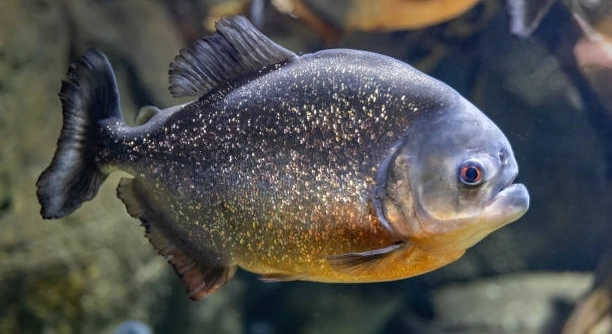
Keeping piranhas active is important for their health and wellbeing. These fish need stimulation and exercise to thrive in their environment. Many owners look for simple ways to encourage natural behaviors.
Maintaining piranha activity involves providing an enriched environment with varied stimuli, proper diet, and suitable tank conditions. Consistent care and interaction promote their physical and mental health, ensuring they remain lively and responsive.
Understanding these practical steps can help you create a better home for your piranhas. Keeping them engaged benefits both the fish and their owners in the long run.
Create a Stimulating Environment
Piranhas need more than just water to stay active. Adding plants, rocks, and hiding spots helps mimic their natural habitat. These features encourage swimming and exploration, which keeps the fish engaged. Changing the layout of the tank every few weeks can also prevent boredom. Make sure the tank is large enough for them to move freely. Avoid overcrowding, as it can cause stress and reduce activity. Proper lighting is important too; it helps regulate their daily rhythm and encourages natural behaviors. Watching your piranhas interact with their environment is rewarding and shows they are healthy.
Changing the tank setup often refreshes their interest and keeps their instincts sharp.
Regularly rearranging decorations and adding new elements stimulates curiosity. It promotes exercise and mental alertness, which supports the overall well-being of your piranhas.
Provide a Balanced Diet
Feeding piranhas a varied diet is essential for their energy and activity levels. They are carnivores and need protein-rich food to stay healthy. Offer a mix of live or frozen fish, insects, and pellets designed for carnivorous fish. Avoid feeding only one type of food, as this can lead to nutritional gaps. Feeding smaller amounts more often can encourage hunting behaviors and keep them active throughout the day. Remove uneaten food promptly to maintain water quality and prevent disease. A healthy diet supports muscle strength and energy, which are key to keeping piranhas lively and responsive. Maintaining consistent feeding times also helps regulate their activity patterns.
A balanced diet combined with proper tank care will keep your piranhas in good shape and energetic. Consistency and variety in feeding are crucial to their health and daily activity.
Maintain Proper Water Conditions
Clean water is key to keeping piranhas active. Regular water changes and good filtration help maintain water quality.
Piranhas are sensitive to poor water conditions, which can cause stress and lethargy. Monitoring temperature, pH, and ammonia levels is important to avoid harmful fluctuations. The ideal temperature for piranhas ranges from 74 to 82°F (23 to 28°C), with a pH between 6.5 and 7.5. Weekly partial water changes of 20-30% remove waste and toxins, creating a healthier environment. A good filtration system helps reduce debris and keeps the water oxygenated, supporting active fish behavior.
Keeping the water clean and stable encourages natural movement and hunting instincts. Healthy water supports their metabolism, which is directly linked to energy and activity levels.
Encourage Social Interaction
Piranhas are naturally social fish and benefit from being in groups. Keeping them in small schools encourages natural behaviors and reduces stress.
When piranhas are housed together, they tend to be more active and responsive. Group living allows for social interaction like chasing and establishing territory, which stimulates mental and physical activity. Avoid overcrowding, which can lead to aggression and stress. A group of 4-6 piranhas is ideal for most tanks, providing enough social stimulation without overcrowding. This social dynamic mimics their behavior in the wild, promoting health and activity. Watching them interact can also be fascinating and rewarding for owners.
Use Interactive Feeding Techniques
Feeding piranhas by hand or with feeding tongs can keep them alert. It encourages natural hunting instincts and movement.
Varying feeding methods, like dropping food in different tank areas, also promotes exploration and activity throughout the tank.
Monitor Tank Temperature Consistently
Stable temperature helps maintain piranhas’ energy. Sudden changes can stress them, causing inactivity. Using a reliable heater and thermometer is essential to keep water within their ideal range.
Provide Proper Tank Size
A larger tank gives piranhas space to swim freely. More room means more exercise and natural behavior.
Avoid Overcrowding
Too many fish limit movement and increase stress. Keeping the right number promotes activity and a healthier environment.
FAQ
How often should I change my piranhas’ water?
Changing about 20-30% of the water once a week is usually enough. This keeps the tank clean without stressing the fish. More frequent changes might be needed if the tank is heavily stocked or if water tests show high toxin levels. Always use dechlorinated water at the right temperature to avoid shocking your piranhas.
What is the best diet for keeping piranhas active?
Piranhas need a protein-rich diet. Feeding them a mix of pellets designed for carnivorous fish, along with occasional live or frozen foods like small fish, insects, or shrimp, works well. Variety helps prevent nutritional deficiencies and keeps them interested in their food. Avoid overfeeding, as uneaten food can dirty the tank and harm water quality.
Can piranhas live alone, or do they need companions?
Piranhas are social fish and usually do better in groups of 4 to 6. Being in a group helps reduce stress and encourages natural behaviors like schooling and chasing. However, avoid overcrowding, which can cause aggression and stress. If you keep just one, it may become less active or show signs of loneliness.
How do I know if my piranhas are stressed?
Signs of stress include hiding more than usual, reduced appetite, and sluggish swimming. Sometimes piranhas may show aggression or fin damage from fighting. Stress often comes from poor water conditions, overcrowding, or sudden changes in the tank. Keeping stable water parameters and providing enough space and hiding spots helps reduce stress.
Is tank size really important for piranha activity?
Yes, tank size is very important. Piranhas are active swimmers and need space to move. A tank that is too small limits their exercise and can increase stress. For a small group, a minimum of 75 gallons is recommended to allow swimming room and reduce aggression.
How can I encourage my piranhas to be more active?
Besides providing a good environment, try interactive feeding by hand or with tongs. Rearranging tank decorations occasionally also stimulates exploration. Keeping them in proper groups encourages social behavior, which boosts activity. Maintaining clean, stable water conditions and feeding a varied diet also help keep piranhas lively.
What temperature should I keep the tank at?
The ideal temperature for piranhas is between 74 and 82°F (23-28°C). Use a reliable heater and thermometer to keep the temperature steady. Sudden drops or rises in temperature can stress the fish and reduce activity.
Can I keep other fish with piranhas?
It’s best to be cautious. Piranhas are carnivorous and can be aggressive, especially if they feel crowded. Smaller or slower fish may become prey. If you want tank mates, choose large, fast-moving species that can handle themselves, but always monitor behavior closely.
How do I keep my piranhas healthy long-term?
Maintain stable water conditions, provide a varied diet, keep the tank clean, and avoid overcrowding. Regular observation helps catch problems early. Enrich their environment with plants, rocks, and hiding spots. Social groups also help with mental and physical health.
What should I do if my piranhas become inactive suddenly?
Check water quality and temperature first, as these are common causes. Make sure the tank isn’t overcrowded or too cold. Review feeding habits and diet variety. Stress or illness could also be factors, so consider consulting a vet or aquatic specialist if inactivity continues.
Final Thoughts
Keeping piranhas active requires attention to several key areas. Their environment plays a big role in how lively they are. Providing plenty of space, hiding spots, and places to explore helps stimulate their natural instincts. Changing the tank layout from time to time can keep their surroundings interesting. Clean, well-maintained water is also very important. When the water quality is good, piranhas tend to be healthier and more energetic. Checking water temperature and chemistry regularly helps prevent stress and illness, which can make fish less active.
Feeding is another important factor. Piranhas need a balanced diet rich in protein to stay strong and alert. Offering a variety of foods, including pellets, frozen or live fish, and insects, helps meet their nutritional needs and keeps mealtimes exciting. Feeding smaller amounts more often can encourage natural hunting behavior and keep piranhas moving around the tank. Avoiding overfeeding is equally important, as leftover food can pollute the water and cause health problems. Paying close attention to how much and what you feed your piranhas will support their activity and overall well-being.
Social interaction also affects piranha activity. These fish are naturally social and usually do better when kept in small groups. Being with others encourages natural behaviors such as schooling, chasing, and establishing territories. However, overcrowding should be avoided because it can increase stress and aggression, which lowers activity levels. Maintaining a balanced number of fish and watching for signs of stress can help keep your piranhas lively. Taking these steps together—good environment, proper diet, clean water, and social balance—creates a setting where piranhas can thrive and stay active. With consistent care and attention, you can enjoy watching your piranhas behave naturally and energetically every day.

Hello,
If you enjoy the content that we create, please consider saying a "Thank You!" by leaving a tip.
Every little bit helps us continue crafting quality advice that supports the health, happiness, and well-being of pets around the world, for pets of all shapes, sizes, and species.
We really appreciate the kindness and support that you show us!