
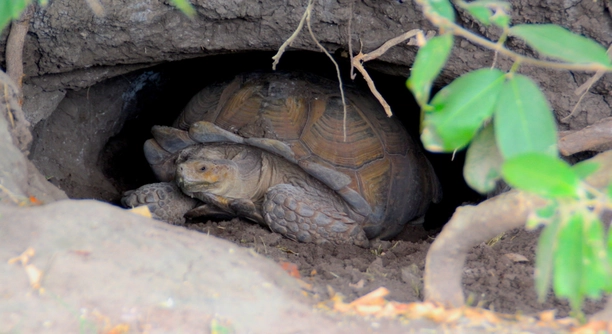
Maintaining proper humidity is essential for the health of your Sulcata tortoise. It helps with digestion, shedding, and overall well-being. There are several ways to increase humidity in their enclosure, ensuring a comfortable environment for them.
Increasing humidity in a Sulcata tortoise enclosure can be achieved through various methods, such as misting, using humidifiers, and incorporating humidity-retaining substrates. These actions help create a more suitable environment, promoting better health and comfort for your tortoise.
By implementing these simple changes, your tortoise will benefit from a more balanced living space.
Misting Your Sulcata Tortoise Enclosure
Misting the enclosure is one of the simplest and most effective ways to raise humidity levels. Using a spray bottle, mist the substrate and surfaces inside the habitat. It adds moisture to the air and helps maintain a stable humidity level. Aim for misting two to three times a day to keep the enclosure’s atmosphere comfortable. Avoid over-wetting the area, as it can create excess moisture, leading to mold or bacteria growth.
Adding moisture to the enclosure using misting helps create a more natural environment. It supports the tortoise’s health by improving humidity levels without complicated systems or excessive effort.
Consider adjusting the amount of misting based on the enclosure’s size and temperature. If the room temperature is high, you may need to mist more frequently to balance the conditions. Regular misting also helps with shedding, as it keeps the skin from becoming too dry.
Using a Humidifier
A humidifier can effectively control humidity levels in the enclosure. Place it close to the tortoise’s habitat to distribute moisture evenly across the space. The device helps ensure consistency throughout the day, providing a steady, regulated humidity level.
Humidifiers are an ideal solution for those who prefer low-maintenance humidity control. Set it up near the enclosure for maximum effectiveness, adjusting settings to maintain the ideal humidity range for your tortoise’s needs.
Adding a Water Dish
Including a water dish in the enclosure helps maintain humidity while providing hydration for your tortoise. Choose a shallow dish to prevent accidental drowning. Ensure the water stays clean and change it daily to avoid bacterial growth.
A water dish can serve multiple purposes. It not only adds humidity to the air but also gives your tortoise a source of water. By adding a shallow, wide dish, your tortoise will have easy access to hydration without the risk of drowning. Keep the dish positioned away from the heat source to avoid rapid evaporation.
Check the water levels regularly and replace it if it gets dirty. Be sure to clean the dish thoroughly during water changes to prevent bacterial buildup. Regular water dish maintenance ensures your tortoise’s health and contributes to the humidity in the enclosure.
Using Moisture-Retaining Substrates
Opting for moisture-retaining substrates can help maintain a stable humidity level. Materials like coconut coir, sphagnum moss, or organic soil retain moisture and slowly release it into the air.
These substrates are particularly useful for keeping the environment humid without constant intervention. When using moisture-retaining materials, make sure to regularly check the substrate’s moisture levels to ensure it doesn’t become too dry or overly wet. A balanced moisture level will ensure that the humidity in the enclosure remains constant.
To maintain optimal humidity, mix these substrates with other materials that allow air circulation. This helps prevent mold growth while maintaining the right moisture balance. The proper substrate is key to an overall healthier enclosure for your tortoise.
Covering the Enclosure
Covering the enclosure with a lid or tarp helps retain humidity. It traps the moisture inside, creating a more controlled environment. Ensure the cover allows for some ventilation to avoid overheating or suffocating the tortoise.
A properly fitted cover keeps the moisture inside, reducing the need for constant misting or humidifier use. It also helps stabilize the overall temperature and humidity levels. However, make sure there’s enough airflow for your tortoise to breathe comfortably. Without proper ventilation, the air may become too stagnant, causing problems for your pet.
Check the humidity levels frequently to make sure the cover is effective. Adjust it as needed, ensuring the environment remains healthy for your tortoise.
Positioning the Enclosure
The placement of the enclosure plays a role in maintaining humidity. Keep it in a room with stable temperature and humidity levels. Avoid direct sunlight, as it may cause the humidity to drop too quickly.
A controlled room environment will reduce the need for constant intervention. Placing the enclosure in an area with minimal air drafts helps keep the humidity levels stable. Also, keeping it away from windows or vents prevents sudden changes in temperature or moisture. Make sure the room remains consistently warm and humid enough for your tortoise’s needs.
FAQ
How often should I mist my Sulcata tortoise enclosure?
Misting the enclosure two to three times a day is usually sufficient to maintain a healthy humidity level. However, this can vary depending on the climate and temperature of your room. In warmer environments, you may need to mist more frequently to keep the humidity from dropping too low. Make sure to mist in the morning and evening, but avoid over-wetting the substrate, as excess moisture can lead to mold.
What humidity level is ideal for a Sulcata tortoise?
Sulcata tortoises thrive in a humidity range of 40% to 60%. Keeping the humidity in this range ensures the tortoise stays comfortable and healthy. Too much humidity can cause respiratory issues, while too little can lead to dehydration and shedding problems. Monitor humidity levels regularly with a hygrometer to maintain the right balance.
Can I use a humidifier to increase humidity?
Yes, a humidifier is an effective tool for increasing humidity in the enclosure. It provides consistent moisture and helps prevent fluctuations that can stress your tortoise. Place the humidifier near the enclosure but not too close to avoid creating excess moisture. Ensure the humidifier is clean to prevent bacterial buildup.
What type of substrate should I use for humidity control?
Coconut coir, sphagnum moss, and organic soil are excellent substrates for maintaining humidity in a Sulcata tortoise enclosure. These materials hold moisture and release it gradually into the air. Make sure to mix them with a well-ventilated substrate to prevent mold growth. Change the substrate regularly to ensure it remains clean and effective.
How can I prevent mold in the enclosure?
To prevent mold growth, ensure the enclosure is well-ventilated. Use a fan or air circulation system to prevent stagnant air. Additionally, avoid over-wetting the substrate when misting. Regularly clean the enclosure, including water dishes and any surfaces where moisture accumulates, to reduce the chances of mold growth.
Is it necessary to cover the enclosure?
Covering the enclosure helps maintain humidity by trapping moisture inside. It also helps stabilize temperature fluctuations. However, it’s important to leave some ventilation space to prevent the enclosure from becoming too hot or stuffy. A breathable cover or a screen lid with openings can balance humidity control with airflow.
How can I tell if the humidity is too high or too low?
If the humidity is too high, you may notice condensation on the enclosure walls, and the substrate will become excessively wet. This can lead to respiratory issues for your tortoise. If humidity is too low, the tortoise may exhibit dry, flaky skin, and shedding problems. A hygrometer will help you monitor humidity levels accurately.
How do I keep the humidity stable in colder climates?
In colder climates, maintaining humidity can be more challenging. Consider using a space heater or a heat lamp to regulate the temperature in the room. A humidifier can help to add moisture, while covering the enclosure will reduce heat loss. Monitor both temperature and humidity closely to keep the environment comfortable for your tortoise.
Can I use a water bowl to help with humidity?
A shallow water bowl can help increase humidity by adding moisture to the air as it evaporates. Keep the bowl clean and filled with fresh water, and position it away from direct heat sources. Be sure the bowl is shallow enough to prevent accidental drowning, as Sulcata tortoises are not great swimmers.
What temperature should my Sulcata tortoise’s enclosure be?
Sulcata tortoises need a temperature between 75°F and 95°F (24°C to 35°C). The basking spot should be warmer, around 100°F (38°C), while the cooler side of the enclosure can be around 75°F (24°C). Maintaining proper temperature and humidity will ensure the tortoise’s well-being and prevent stress.
Do I need to provide UVB lighting for my Sulcata tortoise?
Yes, Sulcata tortoises need UVB lighting to help them produce vitamin D3, which is crucial for calcium absorption and shell health. A UVB light should be placed over the basking area, and it should be replaced every six months to ensure it’s providing the right amount of UVB radiation.
Can I use a fogger to increase humidity?
A fogger can be useful for increasing humidity in a Sulcata tortoise enclosure. It produces a fine mist that raises the humidity level without over-wetting the substrate. However, make sure the fogger doesn’t add too much moisture too quickly. Always monitor humidity levels to ensure the tortoise’s environment remains safe.
How often should I change the substrate to maintain humidity?
Change the substrate every two to four weeks, depending on how quickly it dries out or becomes soiled. If the substrate has retained too much moisture or shows signs of mold, replace it immediately. Regular substrate changes help maintain a clean environment and ensure humidity control is effective.
What are the signs of dehydration in a Sulcata tortoise?
Signs of dehydration include dry or wrinkled skin, sunken eyes, and lack of appetite. If you notice any of these symptoms, increase the humidity in the enclosure and provide fresh water. Make sure the tortoise has access to a water dish at all times, and consider misting more frequently if needed.
How can I prevent respiratory issues in my Sulcata tortoise?
Ensure proper ventilation in the enclosure to prevent excess moisture buildup, which can lead to respiratory issues. Keep humidity levels within the recommended range of 40% to 60%, and avoid creating stagnant air. Additionally, maintain a clean environment by removing soiled bedding and changing the water daily.
Final Thoughts
Maintaining the right humidity in a Sulcata tortoise enclosure is essential for its health. The ideal humidity range is between 40% and 60%. Consistently checking the humidity levels and making adjustments as needed will keep your tortoise comfortable and help it thrive. Using tools like a hygrometer, humidifiers, and water bowls can make it easier to regulate the humidity and temperature within the enclosure. Keeping an eye on your tortoise’s behavior and condition is also important in ensuring that the environment is suitable for its needs.
Incorporating practices like misting the enclosure regularly, providing a proper substrate, and covering the enclosure when necessary can all help maintain consistent humidity. At the same time, remember that over-wetting the enclosure can cause problems such as mold growth or respiratory issues. Balance is key. It is important to monitor both temperature and humidity levels to avoid extremes that could stress your tortoise. The goal is to recreate an environment that closely matches its natural habitat, which will support its overall health and well-being.
Taking the time to make these adjustments and staying consistent with your care routine will pay off in the long run. A well-maintained enclosure will not only benefit your tortoise’s physical health but will also contribute to its mental well-being. By providing a stable, humid environment, you create the conditions that allow your Sulcata tortoise to live a happy and healthy life. Regular monitoring and adjusting will ensure that your tortoise stays comfortable, and its habitat remains a place where it can thrive.

Hello,
If you enjoy the content that we create, please consider saying a "Thank You!" by leaving a tip.
Every little bit helps us continue crafting quality advice that supports the health, happiness, and well-being of pets around the world, for pets of all shapes, sizes, and species.
We really appreciate the kindness and support that you show us!