
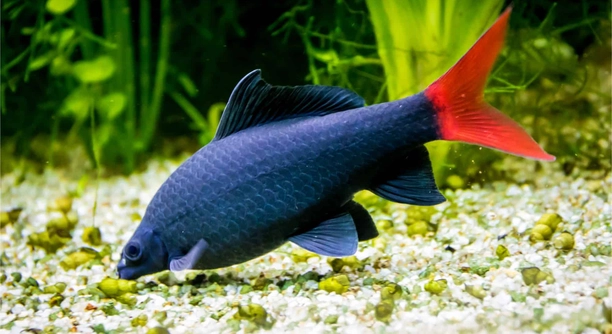
Many aquarium owners enjoy keeping rainbow sharks for their vibrant colors and lively behavior. Maintaining good water quality is essential to keep these fish healthy and active. Proper care helps prevent diseases and creates a stable environment for your fish.
Improving your rainbow shark’s water quality involves regular water changes, proper filtration, monitoring water parameters like pH and ammonia, avoiding overfeeding, and maintaining a clean tank environment. These steps ensure a safe and balanced habitat for your fish’s well-being.
Understanding these simple methods can help you maintain a thriving aquarium. Implementing small changes makes a big difference in your fish’s health and longevity.
Regular Water Changes Are Key
Changing the water in your rainbow shark’s tank regularly helps keep it clean and safe. When fish live in water, waste builds up from their droppings, leftover food, and other particles. If this waste isn’t removed, it can harm your fish by causing poor water quality and stressing them. A good routine is to change about 20-30% of the water every week. Use a gravel vacuum to clean the substrate while doing water changes, as debris often settles there. Make sure the new water is treated to remove chlorine and is the same temperature as the tank water to avoid shocking your fish. Regular water changes help keep ammonia and nitrate levels low, which is important for your rainbow shark’s health. Clean water also supports beneficial bacteria that break down harmful substances. Sticking to a water change schedule will give your fish a stable environment to grow and thrive in.
Consistent water changes prevent many common health problems in aquarium fish. Clean water reduces toxins and supports a balanced ecosystem inside the tank.
Keeping up with regular water changes creates a healthier home for your rainbow shark. It’s a simple habit that improves water clarity and keeps your fish lively.
Proper Filtration Maintains Water Quality
Filtration systems play a major role in keeping aquarium water clear and safe. A good filter removes physical debris, breaks down harmful chemicals, and helps circulate oxygen in the water. Choose a filter suitable for your tank size and your rainbow shark’s needs. Filters come in different types: mechanical, biological, and chemical. Mechanical filtration traps particles like uneaten food and waste. Biological filtration supports beneficial bacteria that convert toxic ammonia into less harmful nitrate. Chemical filtration uses substances like activated carbon to remove impurities and odors. Regularly clean or replace filter media to keep the system working well. Avoid cleaning all filter media at once to preserve beneficial bacteria. Proper filtration balances water chemistry and reduces the need for frequent water changes. Without good filtration, water quality can decline quickly, affecting your fish’s health and behavior.
A quality filtration system is essential for stable water conditions. It supports a healthy tank environment and helps maintain clean water between changes. Taking care of the filter ensures your rainbow shark enjoys optimal living conditions with less stress and better overall health.
Monitor Water Parameters Regularly
Testing water parameters like pH, ammonia, nitrite, and nitrate is essential to keep your rainbow shark healthy. These values indicate water quality and help spot problems early.
Using a reliable test kit, check your tank’s water weekly. The ideal pH for rainbow sharks is between 6.5 and 7.5. Ammonia and nitrite should always be at zero, as they are toxic to fish. Nitrate levels should stay below 40 ppm to avoid stress. Tracking these values helps you adjust care practices, like water changes or filter maintenance, before issues arise.
Maintaining stable water conditions avoids sudden changes that can shock your fish. Keep a log of your readings to notice trends or recurring problems. Quick action based on test results improves your rainbow shark’s health and prevents diseases caused by poor water quality.
Avoid Overfeeding Your Rainbow Shark
Overfeeding can pollute the tank and harm your fish. Uneaten food decomposes and raises harmful chemicals in the water.
Feed your rainbow shark only what it can finish in about two minutes. Usually, a small pinch of flakes or pellets once or twice daily is enough. Remove any leftover food promptly to prevent decay. Overfeeding not only damages water quality but can also lead to obesity and digestive issues for your fish.
Providing the right amount of food encourages good health and keeps the tank cleaner longer. Observe your fish’s behavior and appetite to adjust feeding amounts as needed. Keeping feeding under control reduces maintenance work and helps maintain balanced water conditions for your rainbow shark.
Maintain Proper Tank Size
A spacious tank helps keep water quality stable and gives your rainbow shark room to swim. Small tanks can lead to quick buildup of waste and toxins.
For one rainbow shark, a minimum of 30 gallons is recommended. Larger tanks dilute pollutants better and support healthier fish.
Clean the Tank Regularly
Regular cleaning removes waste and prevents algae growth. Use a soft sponge to clean the glass and siphon the substrate weekly.
Avoid harsh chemicals that can harm your fish. Consistent cleaning maintains clear water and a comfortable environment for your rainbow shark.
Use Live Plants
Live plants help improve water quality by absorbing nitrates and providing oxygen. They also create natural hiding spots that reduce stress.
Incorporate hardy plants like Java fern or Anubias that grow well in most aquarium conditions.
Avoid Overcrowding
Too many fish in one tank causes waste buildup and stresses your rainbow shark. Keep stocking levels low to maintain water quality.
FAQ
How often should I change the water for my rainbow shark?
Water changes should be done weekly, replacing about 20-30% of the tank water each time. This helps remove waste and toxins that build up over time. Consistency is key, so keeping to a schedule supports stable water conditions and better fish health.
What type of filter is best for a rainbow shark tank?
A combination of mechanical, biological, and chemical filtration is ideal. Mechanical filters remove debris, biological filters support beneficial bacteria, and chemical filters help clear impurities. Choose a filter rated for your tank size to ensure effective cleaning and circulation.
Can I use tap water directly in the tank?
No, tap water often contains chlorine and other chemicals harmful to fish. Always treat tap water with a water conditioner before adding it to the tank. Let the treated water reach the same temperature as the tank to avoid shocking your fish.
What are the ideal water parameters for rainbow sharks?
Rainbow sharks prefer a pH between 6.5 and 7.5, temperature around 72-79°F (22-26°C), and ammonia and nitrite levels at zero. Nitrate should stay below 40 ppm. Regular testing helps maintain these conditions.
How much should I feed my rainbow shark?
Feed small amounts once or twice a day—just what the fish can finish in two minutes. Remove any leftover food to prevent water pollution. Overfeeding leads to poor water quality and health issues.
What signs show my rainbow shark is stressed due to water quality?
Signs include lethargy, loss of appetite, rapid gill movement, or unusual swimming patterns. Poor water quality often causes these symptoms, so test the water and perform a partial water change if you notice any.
Is it necessary to use live plants in the tank?
Live plants aren’t required but they help improve water quality by absorbing nitrates and providing oxygen. They also offer hiding spots that reduce stress. Choose hardy plants that are easy to care for.
How many rainbow sharks can I keep in one tank?
Rainbow sharks can be territorial, so it’s best to keep only one per tank unless it’s very large (75 gallons or more). Overcrowding leads to stress and rapid water quality decline.
How often should I clean the tank?
Clean the tank glass and siphon the substrate weekly to remove algae and waste. Avoid harsh cleaners; a soft sponge and a gravel vacuum work well. Regular cleaning supports a healthy environment.
What should I do if ammonia or nitrite levels rise?
Perform an immediate partial water change to lower toxin levels. Check your filter and clean it if needed, but do not remove all beneficial bacteria at once. Test the water daily until levels return to zero.
Can overfeeding cause diseases in rainbow sharks?
Yes, leftover food decomposes and raises ammonia, harming fish and encouraging harmful bacteria. Overfeeding also causes digestive problems in your rainbow shark, so feed carefully and remove excess food.
How important is tank size for water quality?
Tank size matters a lot. Larger tanks dilute waste more effectively and maintain stable water conditions. A minimum of 30 gallons is recommended for one rainbow shark to reduce toxins and stress.
What type of substrate is best for maintaining water quality?
Fine gravel or sand works well as substrate. Avoid sharp or rough materials that can injure your fish. Clean substrate regularly to prevent buildup of waste and harmful bacteria.
How do beneficial bacteria help maintain water quality?
Beneficial bacteria break down toxic ammonia into nitrite and then nitrate, which is less harmful. These bacteria live mainly in your filter and substrate. Maintaining their population is essential for a healthy tank ecosystem.
Should I use chemicals to treat water problems?
Use chemical treatments carefully and only when necessary. Some can harm beneficial bacteria or your fish. It’s best to rely on water changes and good filtration first, reserving chemicals for specific issues.
Taking good care of your rainbow shark’s water quality is important for keeping the fish healthy and happy. Clean, well-maintained water creates a comfortable environment where your fish can swim freely and live longer. Regular water changes, proper filtration, and monitoring water parameters are simple steps that make a big difference. These basic practices help prevent common problems like poor water clarity, harmful chemical buildup, and stress for your fish. When the water quality is good, your rainbow shark will show more vibrant colors and natural behavior.
It is also important to avoid overfeeding and overcrowding, as these factors quickly affect water quality. Overfeeding leaves excess food to rot in the tank, which raises toxins like ammonia. Keeping the number of fish at a reasonable level helps maintain balance in the tank ecosystem. Using live plants can also support water quality by absorbing nitrates and adding oxygen. Small changes, like feeding less or adding plants, may seem minor but contribute greatly to the health of your aquarium.
Cleaning the tank regularly and using the right filter are other key elements to consider. A filter that fits your tank size will effectively remove waste and harmful substances. Cleaning the substrate and tank walls prevents algae growth and reduces the risk of toxins. Testing the water weekly to check parameters such as pH, ammonia, nitrite, and nitrate ensures that conditions remain stable. By following these steps, you provide a safe, clean, and balanced home for your rainbow shark. This ongoing care promotes a thriving fish and a pleasant aquarium environment for you.

Hello,
If you enjoy the content that we create, please consider saying a "Thank You!" by leaving a tip.
Every little bit helps us continue crafting quality advice that supports the health, happiness, and well-being of pets around the world, for pets of all shapes, sizes, and species.
We really appreciate the kindness and support that you show us!