
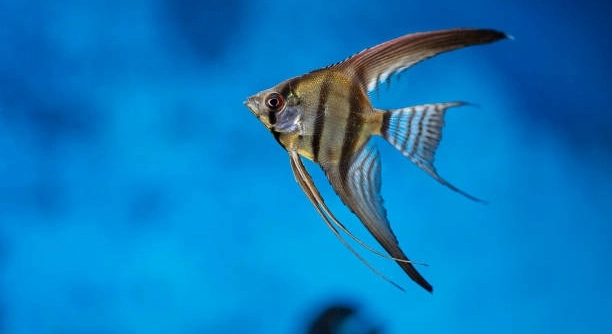
Are your angelfish swimming awkwardly or struggling in their tank’s current? A poorly adjusted water flow could be the cause. Small changes can help make their environment more balanced and comfortable for them.
Improving water flow for angelfish starts with adjusting your filter output, repositioning tank decorations, and choosing the right equipment. These changes ensure the current is gentle and steady, helping angelfish swim more easily and stay healthy.
These tips are easy to follow and can help your fish feel more at ease in their tank without major changes.
Adjust the Filter Output
Strong filter currents can stress angelfish and make it hard for them to swim normally. Most filters allow you to control the flow rate. Lower the setting or add a pre-filter sponge to soften the water movement. This helps break up fast currents and makes swimming easier for your angelfish. If your filter doesn’t have an adjustable setting, try placing it near decorations that can block or spread the current. You can also angle the output toward the glass to reduce the direct force. These small changes make a noticeable difference. When the current is too strong, your angelfish might hover in one spot or hide. Reducing the output can make their swimming smoother and more relaxed. Take a moment to observe their behavior after adjusting the flow—this can help you fine-tune things. A stable and gentle current is key for their overall comfort and health.
Softer currents allow angelfish to conserve energy and swim freely. This helps reduce stress and keeps them active.
Even a small tweak in your filter’s direction or power can bring instant relief to angelfish. If they were avoiding certain areas before, you may notice them exploring those spots again. A comfortable environment encourages more natural and relaxed behavior in the tank.
Reposition Tank Decorations
Tank decorations are not just for looks—they can shape how water moves.
Large decorations, tall plants, and driftwood pieces help break up strong currents and create calmer zones in the tank. When placing these, try to focus on areas where your angelfish like to rest or swim the most. Position taller decorations closer to the filter output, as they’ll help block or redirect the current. Plants with broader leaves can act as natural buffers and create pockets of still water behind them. Avoid clustering everything in one section—spread the decorations around to evenly reduce flow in multiple spots. Pay attention to how your fish respond. If they begin spending more time in newly created areas, that’s usually a good sign you’ve improved the water movement. Repositioning doesn’t have to be complex. Simply shifting a few items can change how water circulates and make a big difference for your angelfish. It also gives you the chance to refresh the look of your tank.
Use a Spray Bar Attachment
A spray bar spreads out the water flow instead of letting it rush in one strong stream. This helps reduce stress for angelfish, especially in smaller tanks. It also encourages gentler water movement across the whole tank.
Installing a spray bar is simple and works well with most canister filters. You can attach it along the back or side of the tank, depending on where your fish seem most active. Angle the holes slightly upward or toward the glass to soften the flow even more. Some spray bars come with adjustable parts, so you can control how far the water travels. Angelfish tend to enjoy calm zones, and a spray bar helps create more of those without sacrificing water quality. Once it’s in place, you may notice more even swimming patterns and less hiding. Spray bars also help with oxygen distribution, keeping the tank environment more stable overall.
If your angelfish used to avoid areas near the filter, they might start exploring again once a spray bar is added. It spreads the current out like gentle rain, which is easier for them to swim through. This small change often leads to more activity and less stress without disturbing the tank’s setup too much.
Choose the Right Tank Size
Tanks that are too small make it harder to manage water flow. Angelfish also need space to swim and grow. A larger tank helps spread out strong currents and gives you more room to place equipment wisely.
A 30-gallon tank is usually the minimum size recommended for a pair of angelfish. This size allows for better water circulation and reduces sudden changes in pressure caused by equipment. In smaller tanks, filters can overpower the space, creating turbulent areas that stress your fish. Larger tanks help distribute the current more evenly. They also let you add more plants and décor without cramping your fish’s space. Angelfish prefer vertical swimming space, so a tank that’s tall rather than wide is often a better choice. With more water volume, it’s also easier to maintain stable water parameters. If you’ve been keeping angelfish in a smaller tank and notice signs of stress, upgrading their space can help.
Add Live or Silk Plants
Live or silk plants help slow down water flow naturally. They create soft barriers that allow angelfish to rest and swim calmly. Choose tall or wide-leaf plants like Amazon swords to block currents in specific spots.
Plants also offer hiding spaces, which can reduce stress levels. Unlike hard décor, they move gently with the water and don’t add harsh resistance. Spread them out in areas where the flow feels strongest.
Avoid Overcrowding the Tank
Too many fish or decorations can disrupt natural water flow and make it harder for angelfish to swim. Overcrowding leads to more waste, which means filters work harder, often increasing current strength. Keeping fewer fish in the tank helps reduce pressure and keeps flow gentler. It also makes maintenance easier.
Clean the Filter Regularly
When filters get clogged, they often release uneven bursts of water. A simple cleaning every two to four weeks helps keep the current smooth and stable.
FAQ
How can I tell if the water flow is too strong for my angelfish?
Angelfish may struggle to swim, stay in corners, or avoid open areas when the flow is too strong. You might also notice them tilting or being pushed around by the current. If they look stressed or hide more than usual, it’s often a sign the flow needs adjusting. Soft movements and relaxed swimming usually mean the flow is just right. Watching their daily behavior helps you spot small changes early. If they used to explore the whole tank and now seem hesitant, take a closer look at your equipment and setup.
Do angelfish prefer still or moving water?
Angelfish prefer slow-moving water. In the wild, they live in calm rivers and flooded forests where currents are gentle. Strong flow can stress them out and affect how they eat or swim. Still water isn’t ideal either, since it can lead to poor oxygen circulation. A gentle, steady flow works best. It allows them to swim comfortably while keeping the tank healthy. Using tools like a spray bar or adding plants can help you create the soft movement they like. Finding that middle ground makes a big difference in their comfort.
Can too much flow damage angelfish fins?
Yes, strong or direct currents can cause wear on their delicate fins. Torn or frayed fins are a sign the water flow might be too aggressive. Long-term exposure to strong current can also lead to fatigue. This weakens their immune system and can cause other health issues. By reducing filter output and adding gentle barriers like plants, you can protect their fins and keep them swimming safely. If you notice fin damage, it’s worth adjusting the flow and giving them time to heal in a calmer environment.
Is it okay to turn off the filter at night to reduce flow?
It’s not recommended. Filters help with oxygen and waste control 24/7. Turning it off at night can reduce oxygen levels and harm water quality. Instead of turning it off, try lowering the output or redirecting the flow using sponges or decorations. If the current seems too strong at night, adjusting the setup to soften the flow without stopping it is a safer choice. Stable filtration keeps the tank healthy and avoids stress from sudden changes in water conditions.
How do plants affect water movement?
Plants—especially tall or wide ones—help slow down fast-moving water. They act like natural barriers, breaking up strong currents and creating calmer zones. This gives angelfish places to rest without being pushed around. Live plants also improve water quality by absorbing waste, while silk plants give a similar effect without the need for care. Spacing them throughout the tank helps balance the flow and encourages fish to explore different areas comfortably.
What size filter is best for angelfish?
Use a filter rated for at least the tank’s volume, but not one that creates high water turnover. A filter with adjustable flow is ideal. If you can’t adjust it, use attachments like spray bars or sponge covers to soften the output. Canister filters often work well in larger tanks, while sponge or hang-on-back filters are better for small to medium tanks. The goal is gentle movement that still keeps the water clean.
Can angelfish get stressed from uneven water flow?
Yes, inconsistent flow patterns can confuse or tire them out. Sudden bursts or swirling water can make it hard to rest or swim naturally. Stress can show up as loss of color, hiding, or unusual aggression. Creating consistent flow across the tank helps prevent this. Avoid placing filters or outputs near spots where they rest often, and check for dead spots or strong turbulence during cleaning.
What’s a simple way to test current strength?
Drop a small pinch of fish flakes into the tank and watch how they move. If the flakes race across the tank quickly, the flow is likely too strong. If they float gently and settle in a few areas, the flow is more balanced. You can also observe how your angelfish interact with the current. If they swim normally and explore without effort, the setup is likely working well.
Final Thoughts
Improving water flow for angelfish does not need to be complicated. A few small adjustments can make their tank feel calmer and more natural. Whether it’s lowering your filter output, adding a spray bar, or rearranging plants and decorations, each step can help reduce strong currents. Angelfish do better in soft, steady water movement. When they feel comfortable, they swim more, eat better, and show more natural behavior. Keeping things simple and consistent is often the best approach. Try not to make too many changes at once. Watch how your fish react and adjust things slowly over time.
Your setup plays a big role in their overall well-being. A larger tank, clean filter, and gentle equipment all help make the water flow more stable. When angelfish struggle to swim or stay in one place, it’s often a sign that something needs to be fixed. Checking for strong currents, noisy water surfaces, or clogged filters can make a difference. Even small plants or silk decorations placed in the right spots can create calm areas that your angelfish will enjoy. It’s also a good idea to clean your filter regularly and keep an eye on the flow direction. These simple habits help prevent stress and keep the tank more balanced.
Creating the right flow isn’t just about comfort—it also supports better health. Fish that live in a peaceful tank tend to get sick less often and have stronger immune systems. Reducing stress from harsh water flow can even help them live longer. Angelfish are sensitive to their environment, so paying attention to how water moves in the tank is important. You don’t need expensive tools or complicated setups to get it right. Just focus on keeping the flow soft and steady, with enough calm spots for them to relax. Over time, you’ll start to see the results in how your angelfish behave. They may become more social, eat more confidently, and explore the tank more often. These small signs show you that you’re on the right track.

Hello,
If you enjoy the content that we create, please consider saying a "Thank You!" by leaving a tip.
Every little bit helps us continue crafting quality advice that supports the health, happiness, and well-being of pets around the world, for pets of all shapes, sizes, and species.
We really appreciate the kindness and support that you show us!