
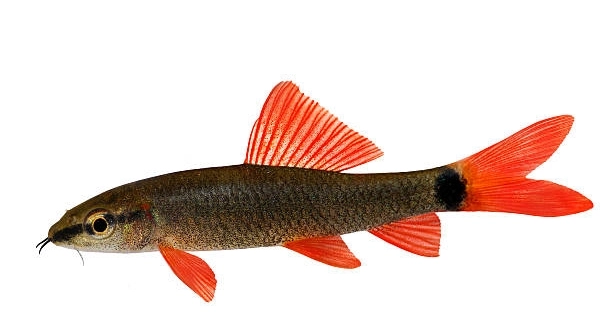
Is your rainbow shark acting stressed or hiding more than usual after moving to a new tank? These behaviors are common in new environments. Helping them adjust properly can make a big difference in their comfort and health.
The most effective way to help your rainbow shark adjust is by creating a stable, low-stress environment. This includes proper tank setup, consistent water parameters, and giving them time to acclimate without sudden changes or disruptions.
A few small changes can make your rainbow shark feel safe and supported as it gets used to its new home.
Set Up the Tank Before Introducing Your Rainbow Shark
Give your rainbow shark the best start by preparing the tank ahead of time. Start with at least a 30-gallon tank, as rainbow sharks need space to swim and claim territory. Use a soft substrate like sand and include plenty of hiding spots using caves, driftwood, or plants. A heater and filter are essential to keep the water temperature stable between 75–81°F and ensure good water quality. Let the tank cycle for a few weeks to establish beneficial bacteria before adding the fish. This helps avoid sudden spikes in ammonia or nitrites, which can stress or harm your shark.
Cycling the tank first helps reduce stress and gives your rainbow shark a healthy, stable environment from day one.
A proper tank setup lays the foundation for long-term health. The hiding spots reduce aggression, while a steady temperature and clean water help prevent illness. Always test the water before introducing your shark.
Maintain Consistent Water Conditions
Stable water quality is one of the most important parts of caring for your rainbow shark. Sudden changes in pH, temperature, or ammonia levels can lead to stress and aggression.
Rainbow sharks are sensitive to changes in their environment, so regular water testing is essential. Keep the pH between 6.5 and 7.5, and aim for weekly water changes of about 25% to maintain stability. Use a reliable heater to avoid temperature swings, and don’t overcrowd the tank, as this increases waste and causes spikes in ammonia. Adding live plants can also help improve water quality and give your shark places to explore or hide. If you notice your rainbow shark hiding more or becoming aggressive, check the water parameters first. Stability is key—your shark will feel more secure and behave more calmly when conditions stay the same day to day.
Let Your Rainbow Shark Adjust at Its Own Pace
Rushing your rainbow shark to settle in can cause unnecessary stress. Allow it to explore and adapt on its own without interference, especially during the first few days after being introduced to the tank.
During the initial days, reduce foot traffic around the tank and keep lighting low to help your rainbow shark feel less exposed. Avoid tapping on the glass or attempting to interact directly. Let the fish hide if it needs to, and don’t panic if it seems withdrawn at first. This behavior is normal. Once your shark feels more secure, it will start to explore the tank slowly. Make sure the environment remains calm and predictable. Avoid adding other fish during this stage, as it may increase territorial behavior or stress.
You may notice your rainbow shark becoming more active after a few days. It might swim around more often or leave its hiding spot for short periods. These are signs that it’s feeling safer in its new space. Keep feeding routines consistent and resist the urge to overfeed, which can cause water quality issues. Patience is important—your rainbow shark will adjust more easily if it’s not overwhelmed. By giving it time and space, you support its mental and physical health during this transition.
Feed a Balanced Diet Without Overfeeding
Overfeeding is one of the most common mistakes in new tanks. Rainbow sharks only need to eat once or twice daily, and excess food can lead to poor water quality and health issues.
Stick to high-quality sinking pellets as the base of your rainbow shark’s diet. These are easy to portion and help maintain water clarity. Supplement a few times per week with blanched vegetables like zucchini or spinach, along with occasional protein sources such as frozen bloodworms or brine shrimp. Feed only what your shark can finish in a couple of minutes. Leftover food should be removed promptly to avoid contamination. Watch how your shark eats—if it seems uninterested or spits food out, check for signs of stress or water issues. Feeding at the same time each day helps establish a routine, making your rainbow shark feel more secure and allowing you to monitor appetite and behavior changes.
Avoid Adding Tank Mates Too Soon
Introducing tank mates too early can overwhelm your rainbow shark. It needs time to settle and establish territory before other fish are added. Wait at least two weeks before slowly adding peaceful, non-aggressive species.
When adding new fish, monitor your shark’s behavior closely. Signs of aggression, like chasing or fin nipping, may mean the new fish are too close to its space. Rearranging decorations can help reduce territorial behavior by resetting boundaries.
Keep the Tank Environment Calm
Loud sounds, frequent movement near the tank, or bright lighting can stress your rainbow shark and delay its adjustment. Keep noise levels low, use a dimmed light setting if possible, and avoid placing the tank near high-traffic areas in your home. A peaceful setting makes your fish feel safe.
Use a Gentle Filtration System
Strong currents can make your rainbow shark feel uncomfortable or stressed. Use a gentle filter or position the outflow to reduce water movement while keeping the tank clean.
FAQ
How long does it take for a rainbow shark to adjust to a new tank?
Most rainbow sharks take about one to two weeks to adjust to a new tank, though some may need more time depending on their environment and stress level. Keeping the tank calm, stable, and well-maintained will help speed up the adjustment process. It’s important to avoid making changes during this time, like moving decorations or adding new fish. Give your rainbow shark space to explore and settle in naturally. You’ll likely see more activity and confidence as it begins to feel safe. Watch for signs like regular swimming and less hiding, which mean it’s becoming comfortable.
Is it normal for my rainbow shark to hide all day?
Yes, it’s common for rainbow sharks to hide frequently, especially when introduced to a new tank. They tend to be shy at first and prefer having safe spots like caves or plants to retreat to. If your tank doesn’t offer enough cover, the shark may stay hidden due to stress. Make sure the tank has several hiding places and isn’t placed in a loud or busy area. Once your rainbow shark begins to trust its surroundings, it will start coming out more often during the day to swim and explore.
Why is my rainbow shark acting aggressive?
Rainbow sharks are known to be territorial, especially if they feel confined or threatened. Aggression often happens when the tank is too small, lacks hiding places, or has the wrong type of tank mates. Avoid housing them with other bottom dwellers or fish of similar shape and size. If your rainbow shark chases other fish or guards a specific area, try rearranging the decorations to break up the territory. Increasing tank size and adding more plants or hiding spots can also help reduce this behavior. Always observe interactions closely when adding new fish.
What tank mates are safe for rainbow sharks?
Choose peaceful, fast-swimming fish that stay in the middle or upper levels of the tank. Good options include barbs, rasboras, and rainbowfish. Avoid slow or timid species that may get bullied or stressed by the shark’s movements. Never keep more than one rainbow shark in a tank unless it’s extremely large, as they are highly territorial with their own kind. When adding tank mates, introduce them slowly and watch for signs of stress or chasing. Each fish should have enough room to swim freely without competing for space.
How can I tell if my rainbow shark is stressed?
Signs of stress include hiding for long periods, refusing food, darting movements, pale coloration, or aggressive behavior. Stress is often linked to poor water conditions, sudden changes, or an unsuitable tank setup. Use a water testing kit regularly and make sure all parameters are within the right range. Keep lighting gentle and avoid frequent changes to the tank layout. Stressed fish may also become more aggressive or less active, so monitoring behavior daily is helpful. If you notice any changes, check your setup and routine for anything that might be causing discomfort.
Can rainbow sharks live alone?
Yes, rainbow sharks do best when kept alone. They’re territorial and don’t usually tolerate other rainbow sharks or similar-looking fish. Keeping just one helps avoid aggressive behavior and stress. This doesn’t mean your tank has to be empty, though—you can add compatible fish as long as they don’t resemble or challenge your shark. Make sure the tank is large enough to give each fish enough space. Giving your rainbow shark plenty of hiding spots and swimming room helps it stay healthy and confident in a shared tank.
What should I do if my rainbow shark won’t eat?
First, make sure the water conditions are correct and stable. Poor water quality is a common reason fish lose interest in food. Next, check the food type—rainbow sharks prefer sinking pellets, supplemented with occasional protein or vegetables. If your shark is new to the tank, it may just need a few days to adjust before eating regularly. Avoid feeding too often or too much, as this can cause water issues. Feed small amounts and observe. If your shark continues to refuse food after several days, you may need to check for illness or further stress factors.
Final Thoughts
Helping a rainbow shark adjust to a new tank takes patience and consistency. These fish are naturally shy and territorial, so it’s normal for them to act withdrawn or aggressive during the early days. Giving them a calm, well-structured environment makes a big difference. Avoid sudden changes, loud noises, or frequent disruptions. Focus on keeping things simple—stable water, enough space, and a few hiding spots. Let the fish settle in on its own. With time, your rainbow shark will begin to explore and act more comfortably. This process may take a week or two, but a little patience goes a long way.
Make sure the tank is properly cycled before introducing your fish. Poor water quality is one of the most common causes of stress. Test the water regularly and keep it clean with weekly changes. Feeding should also be controlled. Too much food can cause health problems and make the tank harder to maintain. Stick to a steady routine and watch how your fish reacts to its environment. If it’s hiding, acting jumpy, or not eating, it may be feeling stressed. In most cases, these behaviors improve once the tank becomes more familiar and stable. Give your rainbow shark time to settle in without rushing it.
There’s no need to complicate the process. Rainbow sharks thrive best in tanks where they feel secure and unbothered. You don’t need expensive equipment or fancy decorations—just a clean, quiet space with room to swim and hide. Once your fish feels safe, it will become more active and easier to observe. Always watch for changes in behavior, and don’t hesitate to make small adjustments if needed. With the right care and setup, your rainbow shark can grow into a confident and healthy fish that brings energy and beauty to your tank. Keep things simple, stay consistent, and let your fish set the pace.

Hello,
If you enjoy the content that we create, please consider saying a "Thank You!" by leaving a tip.
Every little bit helps us continue crafting quality advice that supports the health, happiness, and well-being of pets around the world, for pets of all shapes, sizes, and species.
We really appreciate the kindness and support that you show us!