
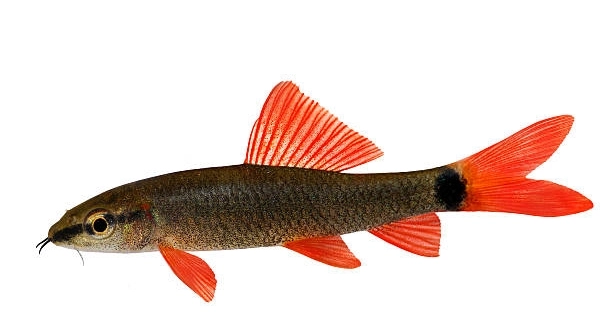
Moving a rainbow shark to a new tank can be challenging for both the fish and the owner. These fish need time and care to settle into unfamiliar surroundings. Helping them adjust smoothly can make a big difference in their well-being.
The best way to help your rainbow shark adjust is by maintaining stable water conditions, providing hiding spots, and introducing the fish slowly to the new environment. These steps reduce stress and promote healthy adaptation.
Learning the right steps will ensure your rainbow shark stays healthy and comfortable in its new home. Simple changes can lead to lasting happiness for your fish.
Prepare the Tank Before Introducing Your Rainbow Shark
Before bringing your rainbow shark into its new home, it’s important to set up the tank carefully. Make sure the water temperature is stable, ideally between 74 and 81 degrees Fahrenheit. Test the water for proper pH levels, which should be around 6.5 to 7.0. Clean the tank thoroughly but avoid using harsh chemicals that could harm the fish. Adding plenty of plants and hiding spots helps your rainbow shark feel secure. These fish like to explore but also need places to retreat when they feel stressed. Using a gentle filter will keep the water clear without creating strong currents, which rainbow sharks don’t like. Allow the tank to cycle properly before introducing your fish to ensure a healthy environment free of harmful toxins. Preparing the tank with these steps helps reduce stress and gives your rainbow shark a smooth start.
Setting the tank correctly is the first step to a happy and healthy rainbow shark. A calm environment helps the fish adjust more quickly.
Once the tank is ready, take time to slowly introduce your rainbow shark to its new surroundings. Float the sealed bag with the fish in the tank for 15 to 20 minutes to equalize the temperature. Then, gradually add small amounts of tank water into the bag every 5 minutes. This process helps the fish get used to the new water chemistry. After about 30 minutes, gently release the fish into the tank. Avoid sudden movements and keep the lights dim to reduce stress. Watch the fish closely during the first few hours for any signs of distress. Providing a calm, secure space from the start encourages your rainbow shark to explore and settle in comfortably.
Maintain Stable Water Conditions
Stable water conditions are crucial for your rainbow shark’s health. Sudden changes in temperature, pH, or cleanliness can cause stress and illness. Regularly check the water parameters using a reliable test kit. Aim to keep the water clean by performing partial water changes every one to two weeks, replacing about 20 to 30 percent of the tank water. This routine removes waste and toxins while maintaining a healthy environment. Avoid overfeeding, as leftover food can quickly pollute the water. Proper filtration and aeration also help keep oxygen levels balanced. By maintaining stable conditions, your rainbow shark will feel secure and thrive in its new home.
Consistent water care prevents common health problems and supports your fish’s overall well-being. Monitoring these details ensures a balanced habitat.
To keep your rainbow shark comfortable, watch for signs that water quality may be declining. Cloudy water, unpleasant smells, or unusual fish behavior are indicators that a water change or tank cleaning is needed. Using a gravel vacuum during water changes helps remove debris from the substrate without disturbing the tank too much. If you notice any sudden changes in your fish’s activity or appetite, test the water immediately. Acting quickly to correct water issues can prevent stress-related illnesses. Keeping a steady maintenance schedule is easier when you plan it around your own routine, such as weekends or a specific weekday. Over time, this regular care builds a healthy and stable environment where your rainbow shark can live happily.
Provide Hiding Spots and Decorations
Rainbow sharks feel safer when they have places to hide. Use rocks, caves, and plants to create hiding spots. These additions reduce stress by giving the fish a sense of security. Avoid sharp edges to prevent injuries.
Adding decorations mimics the rainbow shark’s natural environment and encourages natural behavior. When setting up hiding spots, spread them out around the tank so the fish can choose where to feel safe. Live plants are ideal because they also improve water quality. If live plants aren’t an option, use silk plants that won’t damage the fish. Decorations also break up open swimming space, which helps the fish feel less exposed. This setup allows your rainbow shark to rest when needed and explore comfortably.
Keep an eye on how your rainbow shark uses its hiding spots. If the fish stays hidden too much, it may still feel stressed. Try rearranging the tank or adding more places to hide. Consistent observation helps you adjust the environment to fit your fish’s needs.
Introduce the Fish Slowly to Reduce Stress
Never release your rainbow shark directly into the new tank water. Sudden changes in water temperature and chemistry cause shock and stress. Slowly acclimate the fish by floating the sealed bag in the tank to equalize temperature for about 15 to 20 minutes. Then, gradually add small amounts of tank water into the bag every 5 minutes over a 30-minute period.
This slow introduction helps your rainbow shark adjust to differences in pH, hardness, and temperature. Taking time during this process reduces the chance of stress-related illnesses. After acclimation, gently release the fish without pouring the bag water into the tank to avoid contamination. Proper introduction increases the chances that your fish will settle quickly and remain healthy.
Keep the Lights Dim During the First Few Days
Bright lights can stress a rainbow shark when it’s new to the tank. Keeping the lights dim helps the fish feel more secure and less exposed. Use a low-intensity bulb or turn off the main light for a few hours each day.
Dim lighting mimics the calm environment rainbow sharks prefer. Gradually increase light levels after a few days as the fish becomes more comfortable. This simple step reduces stress and encourages natural behavior early on.
Feed Small Portions and Avoid Overfeeding
Feeding small portions helps prevent leftover food that can pollute the tank. Overfeeding causes water quality to drop quickly, which stresses the fish. Offer food once or twice daily in amounts the fish can eat within a few minutes.
Careful feeding supports healthy water and helps your rainbow shark adjust smoothly. Stick to a regular feeding schedule and avoid sudden diet changes.
Avoid Sudden Movements Around the Tank
Sudden movements can startle your rainbow shark and increase stress levels. Approach the tank calmly and avoid tapping on the glass. Consistent, gentle behavior helps the fish feel safe.
Minimizing disturbances creates a peaceful environment, helping your rainbow shark settle comfortably and adapt better to its new home.
FAQ
How long does it take for a rainbow shark to adjust to a new tank?
Rainbow sharks usually take about one to two weeks to fully adjust to a new tank. During this time, they may hide more than usual or swim slowly. Providing a calm environment with stable water conditions speeds up this process. Patience is key to helping your fish settle.
What are the signs that my rainbow shark is stressed?
Common signs include hiding constantly, loss of appetite, erratic swimming, or rubbing against objects. Stress may also cause faded colors or clamped fins. If you notice these signs, check water quality, tank setup, and feeding habits to find and fix the cause.
Can I keep other fish with my rainbow shark?
Yes, but choose tank mates carefully. Rainbow sharks can be territorial, especially in smaller tanks. Peaceful fish that stay in different tank areas work best. Avoid slow-moving or very small fish that might become targets. Provide plenty of hiding spots to reduce conflicts.
What should I feed my rainbow shark?
Rainbow sharks are omnivores. Feed them a balanced diet of high-quality sinking pellets, flakes, and occasional live or frozen foods like bloodworms or brine shrimp. Vegetables like zucchini or cucumber can be offered occasionally. Feed small amounts once or twice daily to avoid overfeeding.
How often should I clean the tank?
Perform partial water changes every one to two weeks, replacing about 20 to 30 percent of the water. Regular cleaning removes waste and keeps water parameters stable. Avoid cleaning the entire tank at once to preserve beneficial bacteria essential for a healthy environment.
What water parameters are best for rainbow sharks?
Maintain water temperature between 74 and 81 degrees Fahrenheit. The pH should be slightly acidic to neutral, around 6.5 to 7.0. Water hardness should be moderate. Stable water quality is more important than perfect numbers, so test regularly and keep parameters consistent.
How big do rainbow sharks grow?
Rainbow sharks typically grow to about 6 inches in length, though some may reach 7 inches. Because of their size and activity level, they need a tank of at least 30 gallons to have enough space to swim comfortably.
Is it normal for rainbow sharks to be aggressive?
Some aggression is normal, especially toward other rainbow sharks or fish with similar shapes and colors. Providing enough space and hiding spots can reduce aggression. If fights happen frequently, consider separating aggressive individuals to protect all fish.
Should I turn off the tank lights at night?
Yes, rainbow sharks benefit from a regular day-night cycle. Turning off the lights at night helps mimic their natural environment and supports healthy sleep patterns. Use a timer to maintain consistent lighting schedules, which reduces stress and supports overall health.
Can I use tap water for my tank?
Tap water can be used if properly treated to remove chlorine, chloramine, and heavy metals. Use a water conditioner before adding water to the tank. Testing tap water for pH and hardness helps ensure it matches your rainbow shark’s needs. Consistent water quality is essential for their health.
What do I do if my rainbow shark gets sick?
If your fish shows signs of illness such as white spots, lethargy, or unusual behavior, isolate it in a quarantine tank if possible. Test and improve water quality immediately. Consult a fish health guide or vet for proper diagnosis and treatment. Early care improves recovery chances.
Can rainbow sharks live with plants?
Yes, rainbow sharks often do well with live plants. They like swimming around plants and may hide among them. Choose sturdy plants since rainbow sharks can sometimes dig or nibble on softer leaves. Plants also help improve water quality by absorbing waste.
Helping your rainbow shark adjust to a new home takes care and attention. Creating a stable, clean environment with the right water conditions is essential. Keeping the temperature steady and monitoring the pH levels help reduce stress. Regular partial water changes keep the tank healthy and free from harmful waste. A clean tank means your fish will be happier and less likely to get sick.
Providing hiding spots and decorations gives your rainbow shark a place to feel safe. These spots reduce fear and encourage the fish to explore when it feels ready. Plants and rocks are good options, and they make the tank look more natural. Keeping the lights dim at first also helps your fish settle more comfortably. Small changes like these make a big difference in how your rainbow shark behaves and adjusts.
Feeding your fish properly supports its health and the tank’s condition. Avoid overfeeding because leftover food can pollute the water and cause problems. Feeding small amounts on a regular schedule is best. Taking things slow when introducing the fish to the tank prevents shock. When you combine these simple steps, your rainbow shark will settle in better and live a longer, healthier life. Patience and consistent care are the keys to success.

Hello,
If you enjoy the content that we create, please consider saying a "Thank You!" by leaving a tip.
Every little bit helps us continue crafting quality advice that supports the health, happiness, and well-being of pets around the world, for pets of all shapes, sizes, and species.
We really appreciate the kindness and support that you show us!