
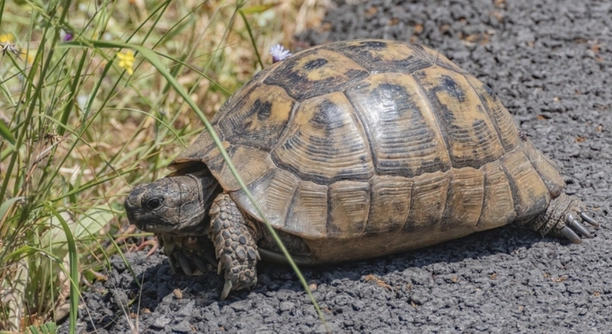
Keeping your Greek tortoise active is essential for their overall well-being. If you’ve noticed that your tortoise seems less energetic, there are a few simple steps to help encourage movement and play.
Boosting your Greek tortoise’s activity involves adjusting their environment, diet, and interaction with you. Providing a stimulating habitat, offering variety in food, and encouraging physical exercise through enrichment will all help improve their activity levels.
These simple changes can help make your tortoise more active and engaged in their surroundings, promoting better health.
Create a Stimulating Habitat
A well-designed habitat plays a significant role in encouraging your Greek tortoise to be more active. Ensure they have enough space to roam and explore, as small enclosures can limit movement. A larger area gives them room to walk around, find food, and interact with their environment.
Adding objects such as rocks, logs, and plants not only makes the space feel more natural but also gives them things to climb or hide under. This stimulates their senses, which motivates them to explore. Substrate like soil or sand also provides a more natural texture for them to walk on.
Lighting is another key factor. Ensure your tortoise has access to both UVB light and a basking spot. UVB rays are vital for their health, while a warm area gives them a comfortable place to rest and regulate body temperature. Proper lighting mimics the natural sunlight they would experience in the wild.
Offer a Varied Diet
Providing a variety of food can help keep your tortoise more active. When they have a range of plants, vegetables, and fruits, they are more likely to engage in eating and searching for their meals.
Tortoises enjoy foraging, so scatter their food around the enclosure to mimic their natural hunting behavior. This small change encourages movement and mental stimulation.
Encourage Regular Exercise
Exercise is essential to your Greek tortoise’s health and activity levels. Try to regularly place them outside in a secure, open area. This allows them to explore at their own pace and encourages natural movement.
Creating an outdoor space with natural plants, grass, and even small hills can provide the perfect environment for physical activity. Make sure the area is safe from predators, and avoid direct sunlight for long periods. Outdoor time will help your tortoise stay physically fit and engaged.
Interactive play also encourages exercise. For example, you can lead your tortoise with food, creating a small trail that they will follow. This simple activity promotes movement and keeps them active. Incorporating these small changes into their routine will keep them engaged and healthy.
Provide Regular Social Interaction
While tortoises are solitary animals, they do benefit from occasional human interaction. Regular handling and interaction will make them more comfortable with their surroundings, allowing them to move more freely.
When you handle your tortoise, avoid forcing it into any activity. Instead, gently guide them to areas where they can explore. This keeps them active without stress and helps form a bond with their environment. Keeping your tortoise comfortable will naturally lead to increased activity levels.
Social interaction also extends to observing their environment. Tortoises are naturally curious creatures, and if they feel safe, they will explore their space more. Incorporating this into their daily routine will help them stay active and engaged.
Adjust Temperature and Humidity
Temperature and humidity directly impact your Greek tortoise’s activity levels. Maintaining an appropriate range will help keep them active and comfortable.
Ensure the basking area stays between 90–95°F, while the cooler end of the enclosure should be around 70°F. Humidity should be moderate to prevent dehydration and encourage movement.
Both temperature and humidity must be monitored regularly. Too high or too low levels can make your tortoise lethargic. A simple thermometer and hygrometer can help you ensure they are comfortable, and this can encourage a more active lifestyle.
Offer Safe Outdoor Exploration
Outdoor time offers plenty of stimulation, promoting both physical and mental activity. It also gives your tortoise a change of scenery, which helps to break up their routine.
Make sure the outdoor space is secure to avoid any escapes or danger from predators. A small enclosed area with natural grass or dirt will allow your tortoise to forage, climb, and explore freely.
FAQ
How often should I let my Greek tortoise exercise outside?
Outdoor exercise can be beneficial, but it’s important to consider the weather and safety. Ideally, you should let your tortoise outside 2–3 times a week, but avoid hot or very cold days. Make sure the outdoor area is secure and free from predators. Supervision is crucial to ensure they stay safe while exploring. The fresh air and natural surroundings will help keep them active and healthy.
What is the best way to keep my tortoise’s habitat stimulating?
Providing a varied environment is key to encouraging activity. You can include rocks, logs, plants, and different substrates like sand or soil for them to explore. Creating hideaways also allows them to feel secure. Regularly rearranging their habitat can keep their interest piqued, making them more likely to move around and explore. A stimulating environment mimics the natural terrain, encouraging your tortoise to stay active.
Can I use heat lamps to increase my tortoise’s activity?
Yes, heat lamps are an essential tool for keeping your tortoise active. Proper lighting, including a UVB light, is needed for both basking and overall health. The warmth encourages movement and digestion, helping them stay active. Position the heat lamp in a way that provides a warm basking area while allowing them to escape to a cooler spot when necessary. This temperature gradient will encourage natural behavior and increased movement.
Why is my Greek tortoise not eating as much?
There are a few potential reasons for reduced eating. Stress, improper temperature, or inadequate lighting can all affect their appetite. Make sure the temperature and humidity levels in their habitat are within the correct ranges. If these conditions are met and your tortoise still refuses to eat, a trip to the vet might be necessary. Always provide fresh, varied food and avoid overfeeding the same items to keep their interest high.
How can I encourage my tortoise to be more active in the winter?
Winter can cause a dip in activity for many tortoises, as they may enter a semi-dormant state. However, you can still encourage movement by adjusting their environment. Ensure their basking area remains warm, and use a heat lamp to simulate sunlight. You can also offer them small foraging opportunities and enrichment activities to keep them engaged. Limit the temperature drop in their habitat to avoid making them too sluggish during the colder months.
Can I put my tortoise in a bath to encourage activity?
Yes, bathing your tortoise can help encourage them to move. A warm bath stimulates their digestion and can also hydrate them, which is important for their overall health. When you place them in a shallow dish of warm water, they may become more active and start to explore their surroundings. Make sure the water is not too hot, and supervise the bath to prevent drowning.
What type of food is best for keeping my tortoise active?
A varied diet full of fresh greens, vegetables, and the occasional fruit is ideal for keeping your Greek tortoise healthy and active. Offering a mix of food encourages natural foraging behavior, which stimulates movement. Avoid feeding them too many high-calcium foods or fruits, as these can cause health problems over time. Focus on leafy greens, such as dandelion greens, collard greens, and kale. You can also include edible flowers like hibiscus to keep their diet interesting.
How do I tell if my tortoise is getting too much or too little exercise?
If your tortoise is not moving much or seems overly lethargic, it may not be getting enough exercise. Lack of movement can also be a sign of an unhealthy habitat or improper lighting. On the other hand, excessive exercise might cause stress or injury. Monitor their behavior: a healthy tortoise should be actively exploring its habitat, especially when given outdoor access. If you notice significant changes in their energy levels, consider making adjustments to their environment or routine.
Is it necessary to interact with my tortoise every day?
While Greek tortoises are not highly social animals, daily interaction can still be beneficial. Handling them gently can make them more comfortable and encourage physical activity. However, make sure not to overdo it, as too much handling can stress them out. Offering occasional social interactions and allowing them to explore in a secure space will keep them both mentally and physically active without overwhelming them.
How long should my Greek tortoise’s daily outdoor time be?
Outdoor time should be limited to about 30 minutes to 1 hour, depending on the weather. Make sure it’s not too hot or cold outside, as extreme temperatures can harm them. The goal is to let them explore, forage, and get some exercise while also giving them a chance to bask under natural sunlight. Always supervise them during this time to keep them safe and ensure they don’t wander off or get into dangerous situations.
Final Thoughts
Boosting your Greek tortoise’s activity level doesn’t require major changes, but consistency and careful attention to their environment are key. The simplest methods, such as offering outdoor time, ensuring the right temperature, and providing varied food, can encourage natural behavior. Small adjustments to their habitat, like adding hiding spots or different textures, can make a big difference. These efforts help create an environment that invites your tortoise to explore, which supports both their physical and mental health.
While Greek tortoises may not be as interactive as other pets, they still benefit from regular social interaction. Gently handling them or allowing them to explore in a safe space can make them more comfortable, reducing stress and encouraging movement. It’s important to find a balance between keeping them active and not overwhelming them with too much attention. Understanding their individual needs and preferences is key to maintaining their activity levels without causing them discomfort.
Overall, your Greek tortoise’s activity levels are closely linked to their habitat, diet, and overall well-being. Regular outdoor time, a secure and stimulating environment, and proper care can make a significant impact on their health. Keeping track of their behavior and adjusting their surroundings as needed will help ensure they stay active and engaged throughout their life. The more you understand their needs, the better equipped you’ll be to keep them happy and healthy.

Hello,
If you enjoy the content that we create, please consider saying a "Thank You!" by leaving a tip.
Every little bit helps us continue crafting quality advice that supports the health, happiness, and well-being of pets around the world, for pets of all shapes, sizes, and species.
We really appreciate the kindness and support that you show us!