
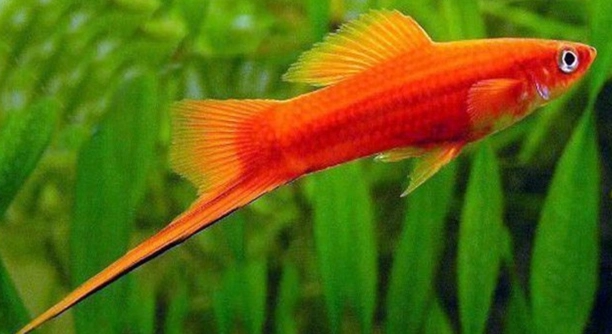
Swordtails are beautiful fish that thrive in a well-maintained aquarium. Ensuring they live happily requires more than just basic care. There are simple changes you can make to improve their environment and overall health.
To help swordtails thrive, focus on maintaining proper water quality, providing the right diet, and ensuring they have enough space to swim. Adding plants, optimizing lighting, and controlling water temperature can also greatly benefit their well-being.
By making small but important adjustments to their habitat, you can see your swordtails flourish. These upgrades will help create a healthier, more comfortable environment for them to thrive in.
Maintain Clean Water for Healthy Swordtails
Swordtails are very sensitive to poor water quality, which can lead to stress and disease. Regular water changes are essential to keeping your swordtails healthy. Aim for at least a 25% water change every week. Use a reliable filter to keep the water clean and oxygenated, ensuring a stable environment for your fish. Ammonia, nitrite, and nitrate levels should be tested regularly to prevent harmful buildups. These tests are a simple way to ensure that your water stays in optimal condition for your swordtails to thrive.
A proper filtration system also helps remove waste and toxins from the water, which is crucial for swordtails’ health. Without this, your fish may become ill or stressed, making it harder for them to thrive. Keeping your tank clean is one of the most effective upgrades you can make.
You should also monitor the temperature of the water. Swordtails prefer water temperatures between 72°F and 78°F (22°C to 26°C). If the temperature fluctuates too much, it can cause stress, weakening their immune system and making them more susceptible to disease. Invest in a reliable heater to maintain a consistent temperature in the tank, ensuring a comfortable environment for your swordtails. Consistency in water quality and temperature is key to their long-term well-being.
Offer a Balanced Diet for Swordtails
A proper diet is crucial for swordtails to thrive. Providing a mix of high-quality flakes, pellets, and occasional live foods will help keep them healthy.
Swordtails are omnivores, so they require a diet rich in both plant-based and animal-based foods. High-quality flake or pellet food can be the base of their diet, while live foods like brine shrimp and daphnia can add extra nutrients. Supplementing with frozen or blanched vegetables like spinach can also support their digestion. However, it’s essential to avoid overfeeding, as excess food can pollute the water. Make sure to feed only what they can consume in a few minutes, once or twice a day.
Offering variety in their diet will ensure they receive all the necessary nutrients for growth, vibrant color, and overall health. A balanced diet not only supports their immune system but also helps swordtails maintain strong fins and a shiny appearance. Be mindful of the portions to avoid waste, which can cause water contamination.
Provide Enough Swimming Space
Swordtails need plenty of room to swim freely. A cramped tank will stress them out and affect their health. The minimum tank size for a small group of swordtails is 20 gallons. If you add more fish, consider increasing the tank size to ensure everyone has enough space.
The more space they have, the less likely they are to become territorial or aggressive. A larger tank also makes it easier to maintain water quality, as waste and toxins are more diluted. Additionally, a spacious tank encourages swordtails to exhibit their natural swimming behavior, which is essential for their physical and mental well-being.
If you notice that your swordtails seem stressed or are fighting, it might be time to upgrade to a bigger tank. More space allows them to establish their own territories and reduces competition for food. Consider adding plants or decorations to create hiding spots, which can also reduce stress and make your swordtails feel more comfortable.
Use Plants to Improve Water Quality
Adding live plants to your tank can help improve the water quality and provide hiding spots for your swordtails.
Plants naturally filter the water by absorbing excess nutrients, which can help prevent algae growth. They also release oxygen into the water, making it easier for your swordtails to breathe. Swordtails enjoy having plants in their tank, as they can swim around them, rest among them, and feel more secure. Choosing the right plants can also enhance the overall aesthetic of your tank.
Some easy-to-care-for plants, such as Java fern or Anubias, are great choices for swordtails. These plants can thrive in a range of water conditions and don’t require a lot of maintenance. Adding plants not only boosts water quality but also improves the overall tank environment, helping swordtails stay healthy and happy.
Control Lighting for Optimal Health
Swordtails thrive in moderate lighting. Too much light can promote algae growth, while too little can affect their activity levels. Aim for 10-12 hours of light each day. Using a timer can help maintain a consistent light schedule.
Overexposure to light can stress swordtails and cause unwanted algae blooms. Choose a light that simulates natural daylight, which is ideal for plant growth as well. Avoid harsh or intense lighting, as this can overwhelm both plants and fish. Moderate lighting also helps regulate your swordtails’ natural day-night cycle, which is important for their well-being.
Maintain Consistent Water Temperature
Swordtails require stable water temperatures to thrive. Fluctuations in temperature can cause stress, leading to weakened immunity and possible disease.
Invest in a quality aquarium heater to maintain a consistent temperature. A thermometer will help you monitor the tank’s conditions and avoid sudden shifts. Swordtails prefer a temperature range of 72°F to 78°F, so make sure your heater is capable of keeping the water within this range. Stable temperatures are essential to keeping your swordtails healthy and active.
FAQ
What size tank is best for swordtails?
A minimum tank size of 20 gallons is ideal for a small group of swordtails. If you plan to keep multiple fish, a larger tank, such as a 30-gallon or more, is recommended. A bigger tank provides better water quality, more space for swimming, and reduces stress. Swordtails are active swimmers, so having enough room to move around is important for their health and well-being. Additionally, a larger tank allows you to maintain more stable water conditions.
Do swordtails need a filter?
Yes, a filter is essential for maintaining clean water and healthy swordtails. A good filtration system helps remove waste, excess food, and harmful chemicals from the water. It also keeps the water oxygenated, which is vital for swordtails to breathe. Be sure to choose a filter that is suitable for your tank size. Make sure to clean and replace the filter media regularly to maintain optimal filtration.
What water conditions are best for swordtails?
Swordtails prefer slightly alkaline water with a pH range between 7.0 and 8.0. They also do well in soft to moderately hard water. It’s important to regularly check the water parameters, including ammonia, nitrite, and nitrate levels, to ensure they remain in safe ranges. Keeping water temperature between 72°F and 78°F (22°C to 26°C) is crucial to their health. Regular water changes will help maintain good water quality, keeping your swordtails happy.
Can swordtails live with other fish?
Yes, swordtails can live with other peaceful fish. They are generally friendly and social. However, avoid keeping them with very aggressive species or fish that might nip their fins. Swordtails can be territorial, especially in smaller tanks, so it’s essential to provide plenty of space. They do well with species like guppies, tetras, and mollies, as these fish have similar care requirements. It’s also important to ensure that the other fish have similar water temperature and pH preferences.
How often should I feed my swordtails?
Swordtails should be fed 1-2 times per day. Offer only what they can consume in a few minutes to avoid overfeeding. Swordtails are omnivores, so a balanced diet of flakes or pellets, along with occasional live or frozen foods like brine shrimp or daphnia, will keep them healthy. Avoid feeding too much protein, as it can lead to water pollution and health issues. Also, make sure to remove any uneaten food after feeding to prevent waste buildup in the tank.
Do swordtails need live plants in their tank?
While swordtails don’t require live plants, adding them to the tank can improve the overall environment. Live plants help oxygenate the water and provide hiding spots, which can reduce stress for swordtails. They also assist in absorbing excess nutrients that could otherwise lead to algae growth. Plants like Java fern, Anubias, and hornwort are easy to care for and perfect for swordtails. Just make sure the plants are well-maintained and not taking up too much space in the tank.
How can I tell if my swordtail is sick?
Signs of illness in swordtails include faded or discolored fins, lack of appetite, abnormal swimming behavior, or visible spots or lesions on their body. If your swordtail is spending a lot of time near the surface or hiding, this may also be a sign of illness. Pay attention to changes in their behavior or appearance, and if something seems off, isolate the sick fish and treat the tank as needed. Quick action is important to prevent the spread of diseases to other fish.
Can swordtails breed in a home aquarium?
Yes, swordtails are livebearers, which means they give birth to fully formed fry instead of laying eggs. Male swordtails can be identified by their colorful tails, while females are generally larger and less colorful. If you want to breed swordtails, make sure you have both male and female fish in the same tank. Providing plants and hiding spots will help protect the newborn fry from being eaten by adult fish. It’s also a good idea to separate the males and females if you don’t want to breed them.
What can I do if my swordtail is stressed?
Stress in swordtails can be caused by several factors, such as poor water quality, overcrowding, aggression from tankmates, or incorrect water temperature. To reduce stress, ensure the water quality is high and the temperature is within the ideal range of 72°F to 78°F. Avoid keeping too many fish in a small tank, and make sure your swordtails have enough space to swim. Providing hiding spots, plants, and decorations can also help your swordtails feel more secure. If stress persists, look for any aggressive tankmates and remove them if necessary.
Are swordtails prone to any diseases?
Swordtails are generally hardy, but they can be susceptible to common fish diseases like Ich, fin rot, and velvet disease. Poor water quality, stress, or overcrowding can make them more prone to illness. Regular water changes, maintaining good tank hygiene, and monitoring water conditions can help prevent disease. If you notice symptoms like lesions, white spots, or clamped fins, it’s important to act quickly by isolating the sick fish and treating the tank as necessary.
Can swordtails live in a tank without a heater?
Swordtails need a stable water temperature to stay healthy. While they can survive in tanks without a heater in warmer climates, it is not recommended. The temperature should be kept between 72°F and 78°F. Without a heater, water temperatures can fluctuate, causing stress. A reliable aquarium heater helps maintain a consistent environment, ensuring your swordtails are comfortable and safe.
Final Thoughts
Caring for swordtails doesn’t have to be difficult. With a few simple upgrades and regular attention to their environment, these colorful fish can thrive in your tank. The key is providing them with clean water, a balanced diet, and enough space to swim freely. By keeping the tank at the right temperature and offering plants for oxygen and hiding spots, you can create a healthier, more comfortable environment for your swordtails.
Maintaining water quality is one of the most important aspects of swordtail care. Regular water changes, proper filtration, and testing water parameters ensure that harmful toxins don’t build up in the tank. Swordtails are sensitive to poor water conditions, and changes in water quality can lead to stress or illness. Keeping the water temperature stable also plays a big role in their overall well-being. Using a good heater and thermometer can help keep the water within the optimal range, allowing your swordtails to stay healthy and active.
Finally, remember that swordtails are social fish and do well in groups. Having multiple swordtails in the tank will help them feel more secure and comfortable. However, it’s important not to overcrowd the tank. Providing enough space for your swordtails to swim and explore will reduce stress and allow them to thrive. With these basic care tips in mind, your swordtails will have everything they need to live a long, healthy, and happy life in your aquarium.

Hello,
If you enjoy the content that we create, please consider saying a "Thank You!" by leaving a tip.
Every little bit helps us continue crafting quality advice that supports the health, happiness, and well-being of pets around the world, for pets of all shapes, sizes, and species.
We really appreciate the kindness and support that you show us!