
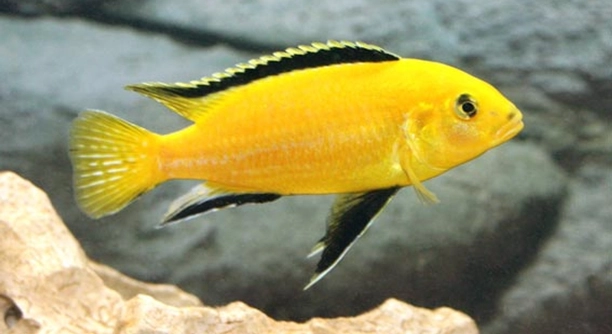
Do you ever find yourself wanting to improve your cichlid tank but not knowing which changes will actually make a difference?
The most effective way to improve a cichlid tank is through small upgrades that support water quality, enrichment, and overall fish health. These changes are simple to apply and provide lasting benefits for your cichlids.
From filter tweaks to better substrate choices, each tip helps build a more stable and comfortable home for your fish.
Upgrade Your Filtration System
A strong filtration system is one of the most important upgrades you can make for a cichlid tank. These fish are messy eaters and produce a lot of waste, which can quickly lower water quality. Upgrading to a more powerful canister filter or adding a sponge filter helps maintain cleaner water and supports beneficial bacteria. This keeps ammonia and nitrate levels down, reducing stress on your fish. Make sure your filter has both mechanical and biological media for best results. Consistent flow and efficient filtration also improve oxygen levels, which is especially helpful in crowded tanks.
Choose a filter rated for a tank size larger than yours. Cichlids are active and appreciate the extra water movement.
Adding filter floss or polishing pads can help catch finer particles, keeping your tank clearer. Rinse these pads regularly to prevent clogs. Check the flow rate monthly to ensure it’s not weakening over time.
Switch to Sand Substrate
Cichlids love to dig, and fine sand allows them to do this naturally without harming their gills or mouths.
Switching from gravel to sand is a simple change that can improve both tank appearance and fish comfort. Sand is closer to what cichlids would encounter in their natural habitat, making it a better choice for their behavior. When cichlids dig in gravel, they can sometimes get small pieces stuck in their mouths or gills, which may lead to health issues. Sand eliminates that risk. It also helps waste stay on the surface, making cleaning easier. Use a soft-grain, aquarium-safe sand to avoid compacting or clogging the filter. Rinse it well before adding to the tank. To replace gravel with sand, move your fish to a holding container, remove the old substrate, and slowly add the new one. Replant any live plants afterward and allow your tank to settle before placing the fish back in.
Add More Hiding Spots
Cichlids can become aggressive without enough hiding spots. Providing more caves, rocks, or driftwood helps reduce tension between fish. These additions create natural boundaries and offer shelter during breeding or stress. Use stable decorations that won’t shift easily during digging.
Hiding spots play an important role in keeping your cichlids calm. When fish have access to their own space, they are less likely to fight. Territorial behavior becomes more manageable, especially in tanks with multiple males or mixed species. You can use rock piles, stacked slate, or specially made cichlid caves. Arrange them in different parts of the tank so fish can claim separate zones. Avoid overcrowding one area, and make sure each structure has at least two entrances to prevent trapping. Choosing natural-looking materials also adds to the tank’s appearance and gives your setup a more balanced, realistic look. These structures should be placed securely to prevent collapse.
If your tank is already decorated, look for gaps where extra shelter can fit without reducing swimming space. Vertical arrangements save room while offering shelter. Adding plant cover can also increase hiding opportunities, especially near the back and sides of the tank. Spreading out decorations helps prevent one fish from dominating a specific area, improving the group’s behavior overall.
Improve Lighting for Better Viewing
Bright, harsh lights can stress cichlids. A softer, adjustable light setup brings out their natural colors without disturbing them. Use dimmable LEDs with a color spectrum made for freshwater tanks.
Cichlids look their best under proper lighting, and a few small adjustments can improve both appearance and comfort. Some fish may hide more often under strong, direct light. Switching to LEDs with adjustable brightness lets you control intensity throughout the day. Look for fixtures with a color temperature around 6,500K, which mimics daylight and enhances blues, reds, and yellows in your fish. Avoid bulbs that are too warm or too cold in tone. Set a timer for 8–10 hours daily to maintain a regular schedule. This encourages natural behavior and helps regulate stress. Place the light toward the front of the tank for a better view without overwhelming your fish. Adding floating plants can also filter excess brightness, softening the environment even more.
Upgrade to a Quality Heater
A reliable heater keeps water temperature stable, which is important for your cichlids’ health. Fluctuations can stress them out and lead to illness. Use a heater with a built-in thermostat for better control and consistency.
Place the heater near the filter output to help distribute heat evenly. Use a thermometer to check temperature daily.
Add Live Plants
Live plants help improve water quality by absorbing excess nutrients and providing oxygen. They also offer shelter and reduce aggression by breaking up sightlines. Choose hardy species like Anubias, Java fern, or Vallisneria that can handle digging and harder water. Attach them to rocks or driftwood so roots stay protected.
Use a Background
Adding a background helps reduce reflections and makes fish feel more secure. It also improves the tank’s overall look and brings out the natural colors of your cichlids.
What is the best filtration system for a cichlid tank?
A canister filter with both mechanical and biological media is usually the best choice for a cichlid tank. It handles large volumes of water, provides excellent mechanical filtration, and supports beneficial bacteria growth. Sponge filters can be added for extra biological filtration, especially in smaller tanks or breeding setups. The key is to choose a filter rated for a tank larger than yours to manage waste effectively. Regular maintenance, such as rinsing filter media in tank water, helps keep the system efficient without harming beneficial bacteria.
How often should I change the water in a cichlid tank?
Water changes should be done weekly, usually around 20-30%. This helps remove excess nutrients, waste, and toxins. Cichlids produce more waste than many other fish, so regular water changes are essential to maintain stable water parameters. More frequent changes might be needed in heavily stocked tanks or if water tests show rising ammonia or nitrate levels. Using a gravel vacuum during water changes also helps remove debris from the substrate, further improving water quality.
Can I keep different species of cichlids together?
Yes, but compatibility is important. Some cichlid species are very aggressive and territorial, so mixing them can lead to fights and stress. Choose species with similar temperaments, sizes, and water requirements. It helps to provide plenty of hiding places and space to reduce conflicts. Avoid keeping very aggressive species with more peaceful ones unless the tank is very large and well-structured. Research each species before adding them to your tank to avoid problems.
Why is my cichlid tank water cloudy after adding sand?
Cloudy water after adding sand is common because fine particles float in the water column. Rinsing sand thoroughly before adding it can reduce this problem. Once the sand settles, filtration and water changes will clear the cloudiness. Avoid stirring the substrate too much during maintenance to keep particles settled. Patience is key, as it may take a few days for the water to clear fully.
How do I reduce aggression in my cichlid tank?
Increasing hiding spots, adding plants, and providing visual barriers help reduce aggression. Overstocking the tank slightly can also spread out territorial behavior. Keeping males and females in balanced numbers, and avoiding overcrowding one area with aggressive individuals, is important. Maintaining good water quality and a consistent environment reduces stress, which in turn lowers aggressive tendencies.
Is lighting important for cichlids?
Proper lighting enhances your fish’s colors and supports natural behavior. Use soft, adjustable LED lighting with a color temperature around 6,500K. Avoid harsh, bright lights that can stress fish. A timer helps maintain a consistent day-night cycle, encouraging normal activity and rest periods. Adding floating plants can soften the light and provide shade.
What substrate is best for cichlids?
Fine sand is the preferred substrate for most cichlid species. It allows natural digging and protects delicate gills and mouths. Avoid sharp gravel that can cause injuries. Sand also helps waste stay on the surface for easier cleaning. Make sure to rinse sand well before use and select aquarium-safe options without added chemicals.
Can live plants survive in a cichlid tank?
Yes, but choose hardy plants like Anubias, Java fern, or Vallisneria. These plants tolerate digging and the harder water conditions common in cichlid tanks. Attach plants to rocks or driftwood instead of burying roots in the substrate to protect them from being uprooted. Live plants improve water quality and provide shelter, reducing stress and aggression.
How important is water temperature for cichlids?
Stable water temperature between 75-82°F (24-28°C) is important. Sudden changes can cause stress and weaken fish immune systems. Use a quality heater with a thermostat and place it near the filter output for even heat distribution. Check temperature daily with a reliable thermometer to ensure consistency.
How often should I clean my cichlid tank?
Besides weekly water changes, clean algae from the glass and decorations every one to two weeks. Avoid over-cleaning, which can disturb beneficial bacteria. Rinse filter media in tank water monthly to maintain filtration efficiency. Regular tank maintenance supports fish health and keeps the environment stable.
Maintaining a healthy and comfortable cichlid tank involves making thoughtful upgrades that benefit both the fish and the overall environment. Small changes like improving filtration, adding hiding spots, or switching to a sand substrate can have a significant impact. These upgrades support cleaner water, reduce stress, and encourage natural behaviors. Cichlids thrive best in conditions that resemble their natural habitats, so making the tank more suitable for their needs will improve their health and longevity. Consistency in care and monitoring is also key to keeping your cichlids happy over time.
Upgrading your tank does not require a complete overhaul or expensive equipment. Simple adjustments, such as choosing the right lighting or adding live plants, can enhance both the fish’s well-being and the aesthetic appeal of your aquarium. Live plants help improve water quality and provide natural shelter, while softer lighting reduces stress and highlights your fish’s colors. Even small additions like a background or extra caves create a more secure environment. These steps show that careful attention to your cichlid tank’s setup can make a meaningful difference in daily maintenance and fish behavior.
Taking the time to make these upgrades not only supports the health of your cichlids but also makes caring for the tank more enjoyable. Cleaner water and a stable environment reduce problems such as illness and aggression, leading to a more peaceful aquarium. By regularly assessing your tank and making small improvements, you ensure your cichlids live in an environment that meets their needs. This creates a more rewarding experience for you as an aquarist and a better home for your fish.

Hello,
If you enjoy the content that we create, please consider saying a "Thank You!" by leaving a tip.
Every little bit helps us continue crafting quality advice that supports the health, happiness, and well-being of pets around the world, for pets of all shapes, sizes, and species.
We really appreciate the kindness and support that you show us!