
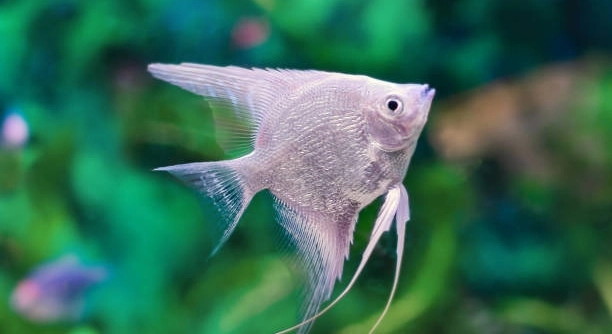
Angelfish are a popular choice for aquarium enthusiasts, known for their graceful movements and stunning colors. However, their vibrant hues can sometimes fade. If you’re looking to boost their natural beauty, there are several simple ways to do so.
Maintaining healthy water conditions, providing a balanced diet, and ensuring proper lighting are the primary factors for improving angelfish coloration. Additionally, reducing stress and choosing compatible tank mates can enhance their overall well-being, leading to more vibrant colors.
By following these tips, you’ll not only notice a difference in their color but also help them thrive in your aquarium environment.
Maintain Optimal Water Quality
Water quality plays a crucial role in the health and color of your angelfish. Regular water changes, maintaining proper pH levels, and ensuring clean water are vital. Angelfish thrive in water that is slightly acidic, with a pH range of 6.8 to 7.8. Additionally, ammonia and nitrate levels should be closely monitored to avoid toxic conditions. High levels of waste can stress the fish, causing their colors to dull. Using a good filtration system will help keep the water clean and healthy for your angelfish.
To maintain these levels, invest in a reliable water testing kit to check parameters like pH, ammonia, and nitrate regularly. This will help keep your tank stable, providing a healthy environment for your angelfish to thrive.
When water quality is optimized, angelfish are more likely to exhibit vibrant and natural colors. Regular maintenance is essential for preventing stress and supporting their health.
Provide a Balanced Diet
A well-rounded diet can significantly impact angelfish coloration. Offering a variety of high-quality foods like flakes, pellets, and frozen options provides essential nutrients. Make sure to include foods rich in carotenoids, such as spirulina, which enhances their natural color. Protein-rich foods like brine shrimp also support their overall health and vitality.
Regularly rotating their food will ensure they receive a balanced mix of nutrients. Overfeeding can lead to poor water quality, which can affect their color. Feed them in small amounts twice a day to maintain both their health and vibrant colors.
Color-enhancing food can make a big difference, especially when combined with proper care. Keep your angelfish well-fed, and they’ll likely display their brightest hues.
Ensure Proper Lighting
Lighting plays a significant role in enhancing the colors of your angelfish. Providing natural or artificial lighting for about 10 to 12 hours a day helps to promote healthy color expression. Too little light can make your angelfish appear dull, while too much can cause stress.
To create the perfect lighting conditions, try using a good aquarium light that mimics natural sunlight. A balanced lighting system will bring out the natural beauty of your fish without overexposing them. Adjust the intensity to suit the tank size, ensuring it’s not too harsh.
Maintaining a light cycle that’s not too long or short will help your angelfish adjust and thrive. Consider using a timer to ensure consistent lighting and avoid any sudden changes that could stress the fish.
Reduce Stress in the Tank
Stress is one of the most common reasons angelfish lose their vibrant colors. Factors like overcrowding, aggressive tank mates, and poor water conditions can cause stress. A stressed angelfish will not only lose color but may also become sick.
To reduce stress, make sure your angelfish have enough space. Avoid placing overly aggressive fish in the same tank, as this can lead to constant tension. Also, be mindful of their environment by ensuring it’s calm and peaceful, allowing them to feel safe.
By maintaining a peaceful tank environment, your angelfish can relax and express their natural, vibrant colors. This will not only improve their appearance but also their overall health.
Add Live Plants to the Tank
Live plants provide a natural environment that helps angelfish feel secure. They also contribute to better water quality by absorbing excess nutrients. Healthy plants promote overall tank stability, which can encourage your angelfish to display their full color potential.
Adding plants not only beautifies the tank but provides hiding spots and safe areas for your angelfish. This reduces stress and gives them a space to retreat. Plants like Java fern or Anubias are ideal choices for angelfish tanks.
By maintaining a healthy plant life, you can enhance both the health of your fish and the overall look of your aquarium.
Maintain the Right Tank Temperature
Angelfish prefer a stable water temperature between 76°F and 82°F. Keeping the water temperature within this range prevents stress and encourages vibrant colors. Sudden temperature fluctuations can lead to illness and loss of color.
To keep the temperature consistent, invest in a reliable heater and monitor it regularly. A stable temperature will help your angelfish remain active, healthy, and colorful. If possible, use a thermometer to avoid any drastic changes.
Consistency in temperature is key to maintaining the well-being and beauty of your angelfish.
Choose Compatible Tank Mates
Choosing the right tank mates is essential for the health and coloration of your angelfish. Aggressive or overly active fish can stress your angelfish, causing their colors to fade. Peaceful and compatible species like tetras or gouramis work best with angelfish.
When adding new fish, always ensure they are peaceful and won’t compete for space or food. Overcrowding should also be avoided, as it can lead to stress and aggressive behavior. Provide your angelfish with enough space to swim freely.
A harmonious tank with compatible tank mates promotes a peaceful environment for your angelfish, enhancing their color and health.
FAQ
What causes angelfish to lose their color?
Angelfish can lose their color due to stress, poor water quality, inadequate lighting, or an imbalanced diet. When conditions are not optimal, angelfish may appear dull or pale. Overcrowded tanks, aggressive tank mates, and fluctuating temperatures are common stressors. Ensuring stable water conditions, a proper diet, and a calm tank environment are essential for maintaining vibrant colors.
How can I improve my angelfish’s color naturally?
Improving your angelfish’s color can be achieved by enhancing water quality, providing a well-balanced diet, and maintaining consistent lighting. Offering foods rich in carotenoids, like spirulina and shrimp, can help bring out their natural hues. Keeping the water clean, stable, and properly filtered also plays a key role.
Can angelfish’s color change with age?
Yes, angelfish can change color as they mature. Younger angelfish typically have lighter colors, while adult fish develop deeper, more vibrant hues. As they age, changes in their appearance may be influenced by factors like diet, lighting, and tank conditions. Regular care ensures their color remains bright throughout their life.
How does water temperature affect angelfish coloration?
Water temperature plays an important role in the health and coloration of angelfish. They thrive in a range of 76°F to 82°F. Too hot or too cold temperatures can cause stress, leading to a loss of color. Maintaining a stable temperature in the optimal range helps your angelfish maintain bright and vibrant colors.
Do angelfish need special lighting to enhance their colors?
Yes, lighting can affect angelfish coloration. Proper lighting helps bring out their vibrant colors. Use an aquarium light that mimics natural sunlight, keeping it on for 10-12 hours a day. Too much or too little light can stress your angelfish, affecting their coloration. A good balance is key.
What kind of diet helps enhance angelfish color?
A diet rich in carotenoids, such as those found in spirulina, can help enhance the colors of your angelfish. High-quality flakes, pellets, and frozen foods like brine shrimp also provide essential nutrients for healthy coloration. Variety in their diet ensures they get the right balance of nutrients to support both health and color.
Can poor tank mates affect my angelfish’s color?
Yes, poor tank mates can negatively affect your angelfish’s color. Aggressive or fast-moving fish can stress angelfish, causing them to lose their vibrant hues. Ensure that your tank mates are peaceful and do not compete for resources, giving your angelfish enough space and a stress-free environment to thrive and display their colors.
How often should I change the water in my angelfish tank?
Regular water changes are essential for maintaining optimal water quality and keeping your angelfish healthy. A partial water change of 25-30% every 1-2 weeks is recommended. More frequent changes may be needed if you have a higher fish load or if water quality is not stable. Clean water supports vibrant color.
Can live plants help with angelfish coloration?
Yes, live plants can help improve angelfish coloration. Plants not only provide a natural and peaceful environment but also help maintain water quality by absorbing excess nutrients. A healthy, well-planted tank reduces stress and provides hiding spots for angelfish, encouraging their natural behavior and color display.
Does stress affect angelfish color?
Yes, stress can cause angelfish to lose their color. Factors such as overcrowding, poor water quality, or incompatible tank mates can create stress. When stressed, angelfish may display faded or dull colors. Providing a calm and peaceful environment with appropriate tank conditions helps reduce stress and improves their overall color.
Final Thoughts
Maintaining vibrant angelfish coloration involves several key factors, including proper tank conditions, a balanced diet, and careful attention to their environment. By ensuring stable water quality, the right temperature, and optimal lighting, you can help your angelfish thrive and show off their natural colors. Regular water changes, appropriate tank mates, and reducing stress all contribute to the overall health of your fish. A clean and peaceful environment encourages your angelfish to feel safe and healthy, which is reflected in their bright, beautiful colors.
Diet plays a significant role in enhancing the colors of your angelfish. Foods rich in nutrients like carotenoids help to bring out their natural hues. Offering a variety of high-quality foods such as shrimp, spirulina, and other nutrient-dense options will support both their health and their ability to maintain vibrant colors. Always aim for a balanced diet that mimics their natural eating habits, ensuring they receive all the nutrients they need to thrive.
In conclusion, improving angelfish coloration requires consistent care and attention to their environment. By keeping the water clean, providing proper lighting, choosing compatible tank mates, and offering the right diet, you create the perfect conditions for your angelfish to flourish. While achieving and maintaining vibrant colors takes time, with the right approach, your angelfish will thrive and show their best colors for years to come.

Hello,
If you enjoy the content that we create, please consider saying a "Thank You!" by leaving a tip.
Every little bit helps us continue crafting quality advice that supports the health, happiness, and well-being of pets around the world, for pets of all shapes, sizes, and species.
We really appreciate the kindness and support that you show us!