
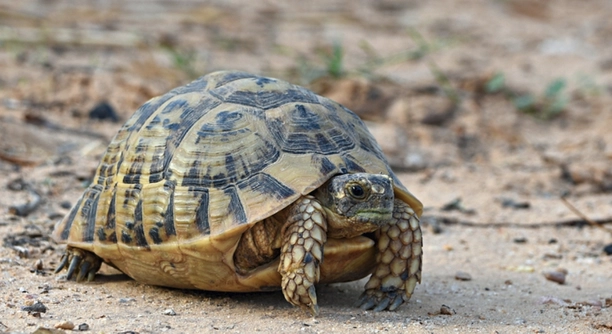
Greek tortoises are known for their low maintenance, but one thing they need is proper hydration. It’s not always obvious how to keep them hydrated in their dry environment, so understanding the basics is crucial.
To ensure your Greek tortoise stays hydrated, providing fresh water daily and creating a humid environment are essential. You can also use hydration methods like misting and offering moisture-rich food to support their water intake.
Learning simple tricks to help your tortoise stay hydrated will make a big difference. These methods can easily be added to your daily care routine and keep your tortoise happy and healthy.
Offer Fresh Water Daily
Keeping your Greek tortoise hydrated starts with fresh water. Place a shallow dish of water in their habitat every day. They may not always drink from it, but having water available helps them hydrate when needed. You can use a small, flat dish or a shallow bowl so they can easily reach the water. Be sure to change the water regularly to keep it clean.
Make sure the water is not too deep. Greek tortoises can easily get stressed or even drown if the water is too deep. A shallow dish will allow them to drink safely without the risk of water submerging them.
Sometimes, a tortoise may not immediately drink from the water bowl. However, as long as they have constant access to clean water, they will hydrate when necessary. Ensure that the water dish is placed in a spot where your tortoise will feel comfortable. This simple step is essential for their health.
Create a Humid Environment
A humid environment can play a big role in keeping your tortoise hydrated. Adding a humidity source to their habitat can mimic the moisture levels they would encounter in the wild.
Consider using a humidity box or simply misting the enclosure. A humidity box provides a controlled space with higher moisture levels, and misting the habitat can help the tortoise absorb moisture through the air. Both methods help balance hydration.
Monitoring humidity is key. Too much moisture can cause problems like mold, but too little can lead to dehydration. Using a thermometer and humidity gauge will help you maintain the right conditions. A simple humidity adjustment can make a noticeable difference in your tortoise’s hydration and well-being.
Offer Moisture-Rich Foods
Offering food with a high moisture content helps your Greek tortoise stay hydrated. Leafy greens like romaine lettuce, kale, and dandelion greens are perfect choices. Other vegetables, such as cucumber and zucchini, also have high water content.
A diet rich in these hydrating foods ensures your tortoise gets enough moisture from their food. Make sure to wash the vegetables thoroughly to remove any pesticides or chemicals. This step reduces the risk of your tortoise ingesting harmful substances and also gives them a healthier meal.
You can also mix some fruits like watermelon and strawberries into their diet occasionally. Just make sure the fruits are offered in moderation, as they contain higher sugar levels. These foods are a great way to supplement your tortoise’s water intake and make sure they stay hydrated throughout the day.
Mist the Habitat
Misting the enclosure is a simple way to help keep your tortoise hydrated. This method adds moisture to the air and encourages them to absorb it through their skin. Use a spray bottle to lightly mist their habitat once or twice a day, depending on the dryness of the environment.
It’s important not to overdo it, as too much moisture can cause mold growth and harm your tortoise’s health. Ensure that the substrate does not stay too wet. Aim for a gentle mist that increases humidity without creating standing water. A balanced approach keeps your tortoise comfortable.
Keeping a consistent humidity level with misting helps prevent dehydration. Along with other hydration methods, this small task supports your tortoise’s overall health and hydration needs. Regular misting is an easy but effective habit to incorporate into your daily care routine.
Provide Shaded Areas
Greek tortoises need access to shaded areas in their habitat to prevent overheating. These cool spots will help regulate their body temperature and encourage them to drink more water. Place a hide or shelter in a shaded area of the enclosure for them to retreat to when needed.
The shaded area should be large enough for your tortoise to move around comfortably. This space allows them to rest and stay cool, which can also encourage them to drink more often. If your tortoise feels too warm, they may become less active, decreasing their hydration levels.
Use a Shallow Water Dish
A shallow water dish makes it easier for your tortoise to drink safely. It also reduces the risk of accidental drowning, especially for younger or smaller tortoises. The shallow design ensures they can comfortably reach the water without difficulty.
Choose a sturdy, non-slip dish to prevent spills. Ensure the water is clean and fresh daily to avoid contamination. The simple addition of a shallow water dish supports hydration and helps your tortoise stay healthy and active.
Provide a Hydration Soak
A hydration soak is an effective way to rehydrate your tortoise if you notice signs of dehydration. Fill a shallow dish with warm water and place your tortoise in it for about 20 minutes. Ensure the water level is just high enough to cover their legs and lower shell.
Soaking not only helps your tortoise drink water but also provides an opportunity for them to absorb moisture through their skin. This method can be especially useful during dry weather or after periods of stress. Always supervise your tortoise during the soak to prevent any accidents.
FAQ
How often should I provide water to my Greek tortoise?
You should provide fresh water for your Greek tortoise every day. While they may not drink a lot at once, it’s important to ensure there is always access to clean water. They may drink more during hot weather or after eating moisture-rich food, so the availability of water helps them stay hydrated throughout the day.
Can my Greek tortoise drink from a water bowl?
Yes, a water bowl is a great way to provide your Greek tortoise with hydration. Make sure the bowl is shallow enough for them to drink comfortably without the risk of drowning. Change the water daily and clean the bowl regularly to ensure it stays free of bacteria or mold.
How can I tell if my Greek tortoise is dehydrated?
Signs of dehydration in a Greek tortoise include sunken eyes, dry or cracked skin, a lack of activity, and difficulty moving. If your tortoise becomes less active or refuses to eat, dehydration may be the cause. Offering water, misting the habitat, and providing hydration soaks can help. If the symptoms persist, contact a vet for advice.
Is misting the enclosure enough for hydration?
Misting is a helpful tool, but it should not be the only method of hydration. Misting helps increase humidity, encouraging your tortoise to absorb moisture through their skin, but they still need access to fresh water and moisture-rich foods. A combination of methods will keep your tortoise hydrated more effectively.
Can I use a humidifier for my Greek tortoise?
A humidifier can be useful for maintaining consistent humidity in your tortoise’s enclosure, especially if you live in a dry climate. Make sure the humidity levels stay within the ideal range for your tortoise. You may still need to mist the enclosure occasionally or provide other hydration methods.
Are there any risks of overhydrating my Greek tortoise?
Overhydrating your Greek tortoise is rare, but it can cause problems if the environment becomes too humid or if the tortoise spends too much time in water. Excess moisture in the enclosure can lead to mold or fungal growth, and it can stress your tortoise. Ensure the humidity levels are controlled, and provide a dry area for them to rest.
Can I give my Greek tortoise fruit to help with hydration?
Yes, some fruits like watermelon and strawberries are hydrating and can be offered to your tortoise in moderation. While fruits provide extra moisture, they should only make up a small portion of the diet due to their higher sugar content. Stick to leafy greens and vegetables as their primary food source.
How much water should my Greek tortoise drink daily?
Greek tortoises do not drink large amounts of water, so you don’t need to worry about measuring their intake. As long as they have access to fresh water daily and are eating moisture-rich foods, they will hydrate themselves as needed. The goal is to ensure that they have constant access to water without forcing them to drink.
Should I soak my Greek tortoise in water?
Soaking your tortoise in warm water for about 15-20 minutes is a helpful way to encourage hydration, especially if they seem dehydrated or are not drinking enough. You can do this once or twice a week or more often if needed. Always supervise your tortoise during the soak to make sure they don’t become stressed or accidentally drown.
What’s the best way to encourage my Greek tortoise to drink water?
To encourage your tortoise to drink, make sure fresh water is always available in a shallow dish. You can also try soaking them in a shallow container of warm water to prompt drinking. Offering moist foods, such as cucumbers or leafy greens, can also help increase their water intake.
Final Thoughts
Keeping your Greek tortoise hydrated is an essential part of their care, and it’s easier than you might think. By offering fresh water daily and providing moisture-rich foods like leafy greens, you’re already taking steps to ensure they stay hydrated. Additionally, creating a humid environment through misting or using a humidity box helps mimic the natural conditions they would experience in the wild, making them more comfortable and encouraging better hydration. Regular soaking also gives your tortoise an extra boost, especially if you notice signs of dehydration.
It’s important to remember that hydration is about consistency. A shallow water dish should always be available, and the water should be changed regularly to keep it clean and fresh. The amount of water a tortoise drinks may vary, but ensuring they have easy access is key. The same goes for their food. Offering vegetables and fruits that have high water content, like cucumber and watermelon, helps boost their hydration without overwhelming them with sugar. These simple actions, when done consistently, will keep your tortoise healthy and hydrated.
Ultimately, hydration plays a significant role in your tortoise’s overall well-being. Dehydration can lead to health issues, so it’s important to recognize the signs early and address them. Whether you’re misting the enclosure or giving your tortoise a soaking session, every effort counts in maintaining their health. By understanding their hydration needs and providing the right environment, you can ensure that your Greek tortoise stays happy and healthy for years to come.

Hello,
If you enjoy the content that we create, please consider saying a "Thank You!" by leaving a tip.
Every little bit helps us continue crafting quality advice that supports the health, happiness, and well-being of pets around the world, for pets of all shapes, sizes, and species.
We really appreciate the kindness and support that you show us!