
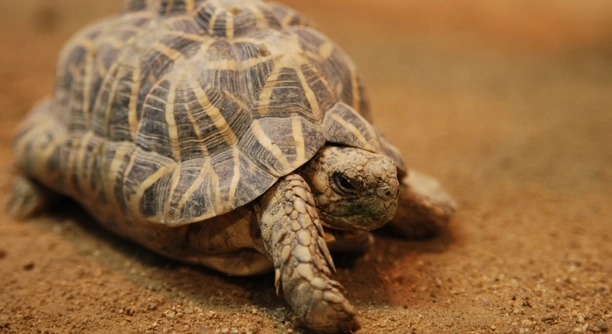
Keeping your Indian star tortoise tank clean is essential for their health and comfort. A clean environment not only prevents diseases but also helps your tortoise thrive. Proper tank cleaning routines ensure a happy, healthy life for your pet.
Regular maintenance of your tortoise’s tank involves cleaning surfaces, changing water, and managing waste. By following simple steps like removing uneaten food and disinfecting tank accessories, you can ensure the space stays safe and clean.
From wiping down surfaces to water care, these tips will help you maintain a pristine tank. The process is straightforward, and with these tricks, cleaning becomes less of a chore and more of a simple routine.
Keep the Tank Surface Clean
Cleaning the surfaces of your tortoise tank should be part of your regular routine. Over time, waste, algae, and debris can accumulate, creating an unhealthy environment. Use a soft cloth or sponge to wipe down the sides, making sure to reach every corner. Avoid using harsh chemicals as they can harm your tortoise. For a natural clean, vinegar diluted with water can help remove stubborn spots without posing any risks. It’s important to clean both the exterior and interior surfaces of the tank. Keeping the surfaces dry also helps prevent mold growth.
To maintain a clean surface, scrub weekly or more often if necessary. Pay attention to areas where food or waste may have settled, as these can be breeding grounds for bacteria.
Be sure to remove any leftover food after your tortoise has eaten. This prevents the buildup of waste and ensures your pet’s living space stays sanitary. Regular cleaning also provides you with a chance to inspect for anything that could affect your tortoise’s health.
Clean the Water Regularly
Water hygiene is crucial for your Indian star tortoise. It’s essential to change the water in their tank frequently, as it can easily become contaminated with waste. Clean the water bowl at least once every two days.
When cleaning the water bowl, pour out any dirty water and scrub it with a soft brush. This removes any buildup or bacteria. Rinse thoroughly before refilling with fresh water. Be sure to check the water’s temperature to make sure it’s not too hot or cold for your tortoise.
The tank’s filtration system should also be checked regularly to ensure that it’s working properly. A good filtration system helps keep the water clean for longer. If you don’t have a filter, consider adding one to ease the maintenance process. Keeping the water clean is a simple yet effective way to improve your tortoise’s living conditions. Healthy water means a healthy tortoise.
Remove Uneaten Food
Leaving uneaten food in the tank can quickly lead to a messy environment. It’s important to remove leftovers daily to prevent them from decaying and causing bacteria growth. Decaying food not only attracts unwanted pests but also contributes to a smelly tank.
After feeding, check the tank for any scraps or pieces of food your tortoise didn’t consume. If you notice any uneaten food, remove it as soon as possible. This will help keep the tank fresh and minimize the chance of bacteria developing. For any leftover vegetables, simply discard them in the compost bin.
Make sure to also inspect the food bowl for mold or any other signs of contamination. Clean the bowl regularly to ensure there are no hidden food remnants left behind. This small task makes a big difference in keeping your tortoise’s environment clean and safe.
Disinfect Tank Accessories
Tank accessories like rocks, branches, and hiding spots need regular cleaning to avoid bacterial growth. Disinfect these items once a month or more, depending on the tank’s condition. Use a reptile-safe cleaner or mild vinegar solution to ensure no harmful residues remain.
To disinfect, scrub the accessories thoroughly with a soft brush. After scrubbing, rinse the items well with clean water. Let them dry completely before placing them back in the tank. This keeps your tortoise’s environment hygienic and free of harmful bacteria, helping to prevent infections and illness.
It’s also a good idea to occasionally rotate accessories or clean them outdoors in the sun. Sunlight has natural disinfectant properties that can help kill bacteria. By maintaining clean accessories, you reduce the chances of health issues for your tortoise and promote a more pleasant living space.
Manage Waste Effectively
Waste management is key to keeping the tank clean and odor-free. Use a small scoop or shovel to remove waste daily. This includes both solid and liquid waste, which can quickly lead to an unsanitary environment.
Clean the substrate regularly, as waste tends to collect in the bedding. If you use sand or soil, replace a portion of it every week. For other bedding materials, change it as needed to ensure it doesn’t become too soiled. Avoid letting waste accumulate as it can create an unpleasant environment and affect the health of your tortoise.
Additionally, keep an eye on your tortoise’s health by monitoring the type of waste it produces. Any changes in its waste could indicate a dietary or health issue. Keeping the waste under control not only helps with cleanliness but also allows you to spot potential problems early.
Use a Proper Tank Substrate
Choosing the right substrate for your Indian star tortoise is important for maintaining cleanliness. A safe, non-toxic substrate like coconut coir or organic soil works well. Avoid using anything too dusty or artificial, as it can harm your tortoise’s respiratory system.
The substrate should be spot-cleaned daily to remove waste, and fully replaced every month. You can sift through it with a scoop to find hidden waste, but if you notice it becoming too compacted or soiled, replace it completely. A fresh layer ensures that your tortoise stays in a comfortable, healthy environment.
Control the Humidity
Humidity levels in your tortoise’s tank should be monitored regularly to prevent the growth of bacteria and mold. The ideal range is 50-70%, and it can be adjusted using a humidifier or by spraying the tank with water.
Too much moisture can cause respiratory issues, while too little may lead to dehydration. Using a hygrometer can help track the humidity levels accurately. Adjusting the environment to meet your tortoise’s needs keeps their habitat comfortable and promotes better health.
FAQ
How often should I clean my Indian star tortoise tank?
Cleaning your tortoise’s tank should be done at least once a week. However, daily tasks like removing uneaten food, waste, and checking water quality can help maintain a clean environment. For a thorough clean, scrub the surfaces, replace bedding, and disinfect accessories every 1-2 weeks. Regular maintenance prevents buildup and ensures a healthier habitat.
What is the best way to clean the water bowl?
The water bowl should be cleaned every 2-3 days, especially if your tortoise spends a lot of time in it. Use a non-toxic cleaner or a mixture of vinegar and water. Scrub the bowl to remove any dirt or debris. After rinsing it thoroughly, refill it with fresh, clean water. This keeps the water safe for your tortoise and helps prevent bacterial growth.
Can I use regular cleaning products for my tortoise’s tank?
No, avoid using regular cleaning products with harsh chemicals like bleach or ammonia. These substances can harm your tortoise. Instead, opt for reptile-safe cleaners, or use a mild vinegar-water solution to clean the surfaces and accessories. Always ensure everything is rinsed thoroughly to remove any residues.
What bedding is best for my Indian star tortoise tank?
Coconut coir, organic soil, or grass hay are great options for bedding. These materials are safe, absorbent, and mimic a tortoise’s natural environment. Avoid sand or any bedding that is too dusty, as it can cause respiratory issues. Regularly check the substrate for waste and spot-clean it daily to maintain cleanliness.
How can I keep the humidity levels in the tank right?
Humidity should be maintained between 50-70% for Indian star tortoises. Use a hygrometer to monitor the levels accurately. To increase humidity, mist the tank with water or use a humidifier. If the tank is too humid, increase ventilation or reduce misting. Keeping the humidity stable is important for your tortoise’s health.
Is it necessary to use a filter for the water in the tank?
While not absolutely necessary, using a filter can make water management much easier. A good filter helps remove waste, excess food, and other contaminants from the water, making it cleaner for your tortoise. If you choose not to use a filter, be sure to clean and change the water more frequently to keep it safe.
How often should I replace the bedding in the tank?
The bedding should be completely replaced every month, though spot-cleaning can be done daily to remove waste. Over time, bedding can become compacted and soiled, which could lead to bacteria buildup. Fresh bedding helps maintain a comfortable and healthy environment for your tortoise.
Can I use a heat lamp in my tortoise’s tank?
Yes, a heat lamp can be beneficial for your tortoise, as it helps regulate the temperature. Ensure that the tank has a warm side and a cool side, giving your tortoise the ability to move between the two. The temperature on the warm side should be around 85-90°F, and the cool side should be around 75-80°F.
How do I know if my tortoise’s tank is clean enough?
If your tortoise’s tank smells bad, has visible waste, or shows signs of mold or algae, it likely needs cleaning. A healthy tank should have minimal odor, and the surfaces and water should be clear of debris. Regularly check for waste, clean surfaces, and ensure proper humidity to maintain a healthy environment.
What kind of cleaning tools should I use for my tortoise tank?
Use soft sponges, brushes, and cloths to clean your tortoise’s tank. Avoid anything abrasive that might damage the tank’s surfaces. A small scoop or shovel works well for removing waste from the substrate. Ensure any cleaning tools you use are dedicated to the tortoise tank to avoid contamination from other areas of your home.
Can I use UVB light in my tortoise’s tank?
Yes, UVB lighting is essential for your tortoise’s health. UVB helps them metabolize calcium, which is crucial for strong bones and a healthy shell. Make sure the light is within the correct distance from your tortoise and is on for about 12 hours a day. Replace the UVB bulb every 6-12 months, as its effectiveness decreases over time.
Final Thoughts
Keeping your Indian star tortoise’s tank clean is a simple but important task. Regular maintenance not only keeps the tank looking nice but also ensures your tortoise stays healthy. A clean environment reduces the risk of diseases and infections, and it provides a comfortable space for your pet. Simple tasks like changing the water, removing uneaten food, and disinfecting accessories can make a big difference in the long run.
Though cleaning might seem like a lot of work at first, it becomes easier over time once you get into a routine. Setting aside a few minutes each day to check the water, spot-clean the bedding, and remove waste will help keep everything in good condition. You don’t need to do a full tank clean every day, but staying on top of daily tasks makes the weekly cleaning much less overwhelming. The more consistent you are, the less time-consuming it will feel.
In addition to cleanliness, it’s important to make sure the tank’s temperature and humidity are properly maintained. These factors play a significant role in your tortoise’s well-being, so adjusting them as needed is essential. With the right setup and regular cleaning, your Indian star tortoise will have a safe and comfortable home. Keeping their tank clean is one of the most important steps you can take to ensure they live a long and healthy life.

Hello,
If you enjoy the content that we create, please consider saying a "Thank You!" by leaving a tip.
Every little bit helps us continue crafting quality advice that supports the health, happiness, and well-being of pets around the world, for pets of all shapes, sizes, and species.
We really appreciate the kindness and support that you show us!