
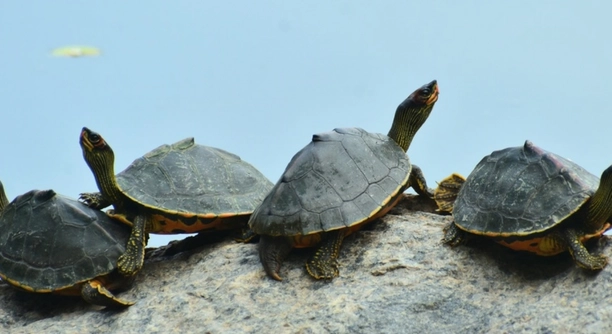
Baby Indian Roofed Tortoises are fascinating creatures to care for, but they require specific attention to ensure they thrive. This guide provides simple tips for beginners to create a healthy environment for these unique pets.
Providing the right care for Baby Indian Roofed Tortoises involves offering proper housing, temperature control, hydration, nutrition, and regular checkups. Consistency in maintaining these factors is essential to promote healthy growth and longevity for your tortoise.
Caring for your tortoise doesn’t have to be complicated. Understanding these simple tips will help ensure they live a long, healthy life in your care.
Proper Housing for Baby Indian Roofed Tortoises
A comfortable and safe habitat is crucial for a baby Indian Roofed Tortoise. Start by providing a spacious enclosure with enough room to move around. A 40-gallon tank or larger is ideal for a young tortoise. The enclosure should have a secure lid to prevent escape. You will need to add a substrate like coconut coir or orchid bark to create a natural environment. This material helps maintain humidity and provides a soft surface for your tortoise to burrow into.
Temperature regulation is also vital. Keep the basking area between 95–100°F and the cooler side around 75°F. This setup allows your tortoise to regulate its body temperature effectively. Ensure your enclosure has proper UVB lighting to simulate sunlight, which is essential for their shell and bone health.
Additionally, be sure to include hiding spots and water dishes. Tortoises need spaces to retreat when they feel stressed or want privacy. A shallow water dish should be available at all times for hydration.
Nutrition and Diet
A balanced diet is key to a tortoise’s health. Offer a variety of leafy greens, such as dandelion greens, kale, and collard greens, to ensure they get enough fiber and nutrients. Avoid feeding them lettuce, as it lacks nutritional value.
Tortoises also benefit from the occasional treat like hibiscus flowers or cactus pads. Providing a variety of foods helps prevent boredom and ensures they receive all the necessary vitamins and minerals.
It’s important to offer food that matches their natural diet. Avoid high-protein foods and stick to plant-based meals. Always wash vegetables to remove pesticides before serving them.
Hydration and Humidity
Baby Indian Roofed Tortoises require a consistent level of humidity to stay healthy. Aim for humidity levels between 50% and 60% within their enclosure. This can be achieved by regularly misting the substrate or using a humidity box. Proper humidity helps prevent respiratory issues and dehydration.
Provide a shallow water dish where your tortoise can drink and soak. Some tortoises enjoy soaking in the water, and this is essential for maintaining hydration. Change the water frequently to ensure it stays clean.
In addition to humidity, ensure the temperature is steady and within the recommended range. Extreme fluctuations can cause stress and health problems for your tortoise.
Regular Checkups and Health Monitoring
Regular checkups are essential to catch any potential health issues early. Schedule visits to a reptile vet who is experienced in treating tortoises. A vet will monitor the growth of your tortoise, check for signs of illness, and provide vaccinations if necessary.
You should also keep an eye on their behavior and appearance. Healthy tortoises are active and alert. If your tortoise becomes lethargic or refuses to eat, it may be a sign of illness. Check their shells regularly for any cracks, lesions, or signs of infection. Proper care and attention will help prevent serious health problems down the line.
Temperature and Lighting
Maintaining proper temperature and lighting is essential for a baby Indian Roofed Tortoise. The basking area should be kept between 95-100°F, and the cooler side should stay around 75°F. UVB lighting is crucial for their health, as it helps them synthesize vitamin D3, promoting strong bones and shells.
A good UVB light should be placed about 6-12 inches above your tortoise’s basking spot. Replace the bulb every 6 months to ensure its effectiveness. UVB light should be on for 10-12 hours a day to mimic natural sunlight. It’s important to provide both heat and UVB lighting to allow your tortoise to thrive. Without adequate lighting, they can develop metabolic bone disease and other health issues.
If you live in a region with natural sunlight, allowing your tortoise to spend time outside for short periods is beneficial. However, always supervise them to ensure they stay safe and don’t overheat.
Handling and Socialization
While baby tortoises are not overly social, they can become accustomed to handling. Start slow, allowing your tortoise to approach you on its own terms. Gently pick them up using both hands to avoid stress or injury. Handling them too frequently can cause stress, so keep sessions short and calm.
Socializing your tortoise can make it more comfortable with human interaction. However, avoid forcing contact. Give them time to adjust to their environment before introducing them to handling. Be mindful of their body language, as stressed tortoises may retreat into their shells. Frequent handling can help build trust and comfort, but always ensure it’s done gently.
As they grow, they will get used to regular, non-intrusive handling. Let them explore their surroundings at their own pace. Be patient and never rush the process to avoid causing stress.
Substrate Choices
Choosing the right substrate is important for your tortoise’s habitat. Options like coconut coir, orchid bark, and sphagnum moss are ideal for retaining moisture and maintaining humidity levels. These substrates also help mimic the natural environment, allowing your tortoise to burrow and feel secure.
Avoid using sand, as it can lead to impaction if ingested. Clay-based substrates should also be avoided due to their inability to retain moisture and their potential to cause respiratory issues. The right substrate helps your tortoise stay comfortable and healthy, promoting natural behaviors like digging and burrowing.
Diet Variety
A varied diet is essential for a healthy baby Indian Roofed Tortoise. Offer a mix of leafy greens, grasses, and edible flowers to provide essential nutrients. Foods like dandelion greens, clover, and hibiscus flowers are excellent choices.
In addition to greens, you can offer small amounts of fruits like strawberries and melons. However, fruit should only be given sparingly, as it can be high in sugar. Avoid feeding them processed or high-protein foods like meat or dairy, as these can harm their digestive system and overall health.
Enclosure Size
A spacious enclosure is crucial to the well-being of your tortoise. A minimum of a 40-gallon tank is needed for a baby tortoise, but larger enclosures are always better. The tortoise should have enough space to roam, bask, and explore freely.
Providing ample space promotes mental and physical stimulation. A larger habitat also helps maintain temperature gradients and humidity levels. If you are housing multiple tortoises, increase the enclosure size accordingly. Avoid overcrowding, as it can cause stress and lead to health issues.
FAQ
How often should I feed my baby Indian Roofed Tortoise?
You should feed your baby Indian Roofed Tortoise daily, offering fresh vegetables and a variety of greens. Young tortoises have high energy requirements, so it’s important to provide them with enough food to support their growth. Avoid feeding them every other day, as their fast metabolism requires consistent meals. Keep portions moderate to prevent obesity. Always remove uneaten food after a few hours to prevent spoilage and mold growth.
Can I keep my tortoise outside?
Yes, you can keep your tortoise outside, but it should be done with caution. If you live in a warm climate, providing a secure outdoor enclosure with plenty of shade, hiding spots, and a shallow water dish will work well. The enclosure should have a high fence to prevent your tortoise from escaping and to keep predators out. Be sure to monitor the temperature, as baby tortoises are more sensitive to extreme weather conditions. If temperatures drop below 70°F, it’s best to bring them back indoors to avoid health issues.
What temperature should I keep the enclosure at?
The ideal temperature for a baby Indian Roofed Tortoise is around 95°F in the basking area and 75°F on the cooler side of the enclosure. Make sure there is a temperature gradient so your tortoise can regulate its body heat. The basking spot should be heated using a basking lamp or ceramic heat emitter, and a thermometer should be used to check temperatures regularly. At night, temperatures can drop a few degrees, but they should not fall below 70°F.
How long do baby Indian Roofed Tortoises live?
Baby Indian Roofed Tortoises can live for 50 years or more when given proper care. As they grow, they become more resilient and can adapt to various living conditions. However, their lifespan heavily depends on the care provided. Proper nutrition, temperature regulation, and regular health checks contribute to a long, healthy life.
What should I do if my tortoise stops eating?
If your tortoise stops eating, it could be a sign of stress, illness, or an incorrect environment. First, check the enclosure for temperature or humidity problems. If everything is correct, try offering different foods, such as fresh, organic greens or edible flowers. If the problem persists, consult a veterinarian to rule out any health issues.
Can I handle my baby Indian Roofed Tortoise?
Handling should be done gently and in moderation. Baby tortoises can be sensitive to stress, so frequent handling should be avoided. Only handle them for short periods, about 5-10 minutes, until they get comfortable with you. Always support their body with both hands to avoid injury. Allow your tortoise to explore its surroundings at its own pace, and avoid handling them immediately after meals or during shedding periods.
How can I tell if my tortoise is healthy?
A healthy tortoise will be active, have a clear, bright-eyed appearance, and show interest in food. Check for any signs of discharge from the nose or eyes, as this could indicate a respiratory infection. The shell should be smooth and free from cracks, scabs, or soft spots. A healthy tortoise also has regular bowel movements. If you notice any signs of lethargy, loss of appetite, or unusual behavior, contact a vet.
Do baby Indian Roofed Tortoises need a lot of water?
Yes, baby Indian Roofed Tortoises need water daily. Provide a shallow water dish that allows them to drink and soak if they wish. Regular soaking helps with hydration, especially in dry climates or when the humidity is not ideal. Ensure that the water is clean and changed frequently to prevent bacterial growth. Don’t force your tortoise to soak, but encourage it by offering a shallow dish.
Can I feed my tortoise fruits?
Fruits can be fed sparingly to your baby tortoise, but they should not make up the majority of their diet. Fruits like strawberries, melons, and mangoes are fine in small amounts, but they are high in sugar. Overfeeding fruit can lead to digestive issues or obesity. The bulk of their diet should come from leafy greens, grasses, and flowers.
How do I prevent my tortoise from escaping?
To prevent your tortoise from escaping, ensure their enclosure is secure. Use a high, sturdy fence that is at least 18-24 inches tall, as baby tortoises are surprisingly good climbers. If you plan to keep your tortoise outside, ensure the enclosure is escape-proof by adding mesh or using a solid bottom. Check the enclosure regularly for any gaps or weak spots that could allow your tortoise to slip through.
Should I use a heat lamp for my baby Indian Roofed Tortoise?
Yes, a heat lamp is essential for maintaining the proper temperature in your tortoise’s enclosure. The heat lamp should be used to create a basking spot that stays around 95°F. Make sure the lamp is placed in a way that allows the tortoise to move away from the heat if it gets too warm. You should also use a thermometer to monitor the temperature throughout the day to ensure it stays within the optimal range.
How often should I change the substrate?
The substrate should be changed every 2-3 months, or sooner if it becomes soiled or too wet. Regular cleaning is essential to prevent the growth of bacteria or mold. Spot clean the substrate daily by removing uneaten food and waste. If the substrate is moist, make sure to dry it out to prevent mold growth, which can lead to respiratory problems. When changing the substrate, make sure to replace it with a fresh, safe material like coconut coir or orchid bark.
Final Thoughts
Taking care of a baby Indian Roofed Tortoise requires dedication and attention to detail. It is essential to provide a suitable environment with proper temperature, humidity, and space. Creating a balanced diet with a variety of fresh greens and occasional fruits will support healthy growth. Regular maintenance of their enclosure, including cleaning and ensuring the right substrate, is key for their well-being. Additionally, keeping a consistent routine and monitoring their health will help avoid common issues, such as dehydration or respiratory infections.
While baby Indian Roofed Tortoises are resilient, they are also delicate in their early stages of life. Their small size and rapid growth make it crucial to adjust their care as they age. The right care in the beginning will lead to a longer, healthier life for your tortoise. It’s important to remember that they need a mix of warmth, humidity, and food to thrive, along with the occasional rest from being handled. Offering them enough time to bask and explore will help them develop natural behaviors, which is vital for their overall health.
In conclusion, the key to raising a healthy baby Indian Roofed Tortoise lies in consistent care. Make sure to follow the tips for their enclosure, diet, and health. Being patient and attentive to their needs will ensure they grow strong and live a long life. With proper care and regular observation, your tortoise can live for decades, providing enjoyment and companionship. Remember, tortoises may be slow, but their needs are steady, and offering them a suitable environment will allow them to thrive in your care.

Hello,
If you enjoy the content that we create, please consider saying a "Thank You!" by leaving a tip.
Every little bit helps us continue crafting quality advice that supports the health, happiness, and well-being of pets around the world, for pets of all shapes, sizes, and species.
We really appreciate the kindness and support that you show us!