
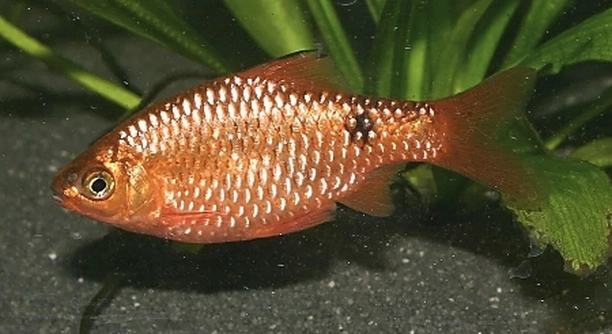
Nervous Rosy Barbs often show signs of stress that can affect their health and behavior. Understanding simple calming techniques can improve their well-being and create a more peaceful environment in your aquarium. This article highlights easy ways to help them feel safe and calm.
To calm a nervous Rosy Barb, maintaining a stable environment with gentle water flow, adequate hiding spots, and a consistent feeding schedule is essential. Minimizing sudden movements and loud noises also reduces stress, promoting their natural behavior and health.
These practical tips offer straightforward solutions to reduce your Rosy Barb’s anxiety. Applying them can create a more harmonious and healthy aquarium for your fish to thrive.
Creating a Calm Environment for Rosy Barbs
A calm environment plays a key role in reducing nervousness in Rosy Barbs. Start by providing plenty of plants and hiding places. These areas give the fish a sense of security. Avoid overcrowding the tank, as too many fish can increase stress levels. Keep the water temperature stable between 74 and 79 degrees Fahrenheit. Sudden temperature changes can startle them. Soft lighting is also important because bright lights may make them anxious. Regular water changes help maintain good water quality, which supports their health. Use a gentle filter setting to avoid strong currents that can tire the fish. Ensuring a quiet place around the tank reduces disturbances from loud noises or vibrations. Taking these steps creates a peaceful habitat where Rosy Barbs can relax and display their natural behaviors, leading to healthier and happier fish overall.
A calm tank environment is essential for reducing Rosy Barbs’ stress. Good water quality, stable temperature, and hiding spots contribute to their well-being.
Adding plants, soft lighting, and gentle water flow helps Rosy Barbs feel secure. Avoid overcrowding and loud noises to keep stress low. Maintaining consistent conditions promotes natural activity and reduces nervous behavior. Quiet surroundings near the tank prevent unnecessary agitation. When fish feel safe, they are more likely to thrive and interact calmly with their environment. Careful attention to these details makes a big difference in their comfort and health over time.
Feeding Habits That Promote Calmness
Feeding Rosy Barbs at regular times every day creates a routine they can rely on. This reduces anxiety caused by unpredictability. Offer a balanced diet of high-quality flakes, pellets, and occasional live or frozen foods. Avoid overfeeding, as excess food pollutes the water and increases stress. Small amounts twice a day are ideal. Providing varied food keeps the fish interested and supports their health. Remove uneaten food promptly to maintain water cleanliness. When fish are well-fed and healthy, they tend to be less nervous. Feeding in a calm and consistent manner adds to the overall peaceful environment that benefits these lively fish.
A steady feeding schedule helps Rosy Barbs feel secure. Overfeeding should be avoided to maintain clean water and reduce stress.
Feeding habits greatly affect the behavior and health of Rosy Barbs. A regular routine allows them to anticipate meals, lowering stress levels. Varied diets ensure they receive essential nutrients to support their immune systems. Removing leftover food prevents decay and harmful bacteria growth, preserving water quality. Avoiding sudden changes in diet keeps them comfortable and prevents digestive problems. Feeding times can also be a chance to observe your fish closely, spotting any early signs of illness or distress. Consistent, balanced feeding creates a stable foundation for calm and active fish. With patience and care, this routine contributes significantly to reducing nervous behavior and encouraging natural, confident movement within the tank.
Managing Tank Mates
Choosing peaceful tank mates helps reduce stress for Rosy Barbs. Avoid aggressive or overly active fish that may intimidate them. Compatible species encourage calm behavior and lessen competition for space and food.
Tank mates impact the mood of Rosy Barbs significantly. Aggressive species can chase or nip at them, raising anxiety and injury risks. Selecting calm, similar-sized fish creates a balanced environment where all species coexist without conflict. Examples include small tetras or peaceful danios. Keeping the community peaceful helps Rosy Barbs stay relaxed and display natural schooling behavior. Regularly observing interactions allows quick action if problems arise.
Providing hiding spots for all fish reduces territorial disputes. Monitor feeding times to ensure all tank mates get enough food. Maintaining clean water supports overall health, minimizing stress-related illnesses in the entire aquarium community.
Reducing Sudden Movements and Noise
Minimizing sudden movements near the tank helps keep Rosy Barbs calm. Fast, unexpected actions can trigger fear responses that disrupt their comfort. A steady, quiet environment encourages peaceful swimming patterns.
Noise can be a hidden stress factor for fish. Loud sounds or vibrations from nearby equipment or human activity may cause nervousness. Positioning the tank away from noisy areas or using sound dampening mats can lessen disturbances. Consistent lighting schedules also contribute to a stable environment. Soft, natural lighting signals a normal day-night cycle, supporting regular activity. Avoid tapping on the glass or sudden changes in room conditions. Small adjustments in the surroundings promote a safe space where Rosy Barbs can thrive without constant alarm.
Regular Water Changes
Regular water changes keep the tank clean and reduce toxins that stress Rosy Barbs. Changing 20-25% of the water weekly maintains stable conditions and better water quality.
Consistent maintenance prevents buildup of harmful chemicals like ammonia and nitrites. Clean water supports healthy gill function and overall fish vitality. Avoid large or sudden water changes, which can shock the fish and increase anxiety.
Monitoring Water Parameters
Testing water regularly ensures temperature, pH, and hardness stay within safe ranges. Rosy Barbs prefer slightly acidic to neutral pH (6.5–7.5) and moderate hardness for comfort.
Using Calming Plants
Adding live plants creates natural hiding spots and softens water conditions. Plants absorb excess nutrients and help reduce stress by mimicking the fish’s natural habitat.
What causes Rosy Barbs to become nervous?
Rosy Barbs often become nervous due to sudden changes in their environment. This includes abrupt water temperature shifts, poor water quality, or new tank mates that are aggressive or overly active. Loud noises and frequent disturbances near the tank can also startle them. Lack of hiding spots or overcrowded tanks adds to their stress. These factors combined can make Rosy Barbs skittish and less likely to swim calmly or feed well. Creating a stable and peaceful habitat reduces these triggers and helps keep their stress levels low.
How can I tell if my Rosy Barb is stressed?
Signs of stress in Rosy Barbs include erratic swimming, hiding excessively, loss of appetite, and faded colors. They may also cling to tank corners or stay near the surface gasping for air. Sometimes they display fin clamping or develop white spots from weakened immune response. Stress can weaken their health and lead to illness if not addressed quickly. Monitoring their behavior daily helps catch problems early, so changes to the tank or care routine can be made promptly.
How often should I feed my Rosy Barbs?
Feeding Rosy Barbs twice a day with small amounts is ideal. Overfeeding can pollute the water and increase stress. Offer high-quality flakes or pellets and include occasional live or frozen foods for variety and nutrition. Remove any uneaten food after a few minutes to maintain water cleanliness. A regular feeding schedule creates a routine that makes Rosy Barbs feel secure and less anxious.
Are Rosy Barbs good for community tanks?
Yes, Rosy Barbs are generally good for community tanks if they are paired with peaceful, similarly sized fish. Avoid aggressive or very small species that might be bullied or stressed by the Barbs. Choosing calm tank mates encourages natural schooling behavior and reduces tension. Always observe interactions closely at first to ensure all fish coexist well.
What is the best tank size for Rosy Barbs?
A minimum tank size of 30 gallons is recommended for Rosy Barbs, especially if keeping a small school of at least six fish. This provides enough space to swim and reduces stress caused by overcrowding. Larger tanks offer better stability in water parameters, which supports their health and calm behavior.
Can sudden noises really affect Rosy Barbs?
Yes, sudden noises and vibrations can startle Rosy Barbs and increase nervous behavior. Fish are sensitive to sounds outside the tank, so placing the aquarium in a quiet area helps reduce this stress. Avoid tapping on the glass or having loud conversations or music near the tank.
How do plants help calm Rosy Barbs?
Live plants provide hiding spots and create a natural feel inside the tank, making Rosy Barbs feel safer. Plants also improve water quality by absorbing excess nutrients and releasing oxygen. A planted tank mimics their natural habitat, reducing stress and promoting relaxed swimming and natural behaviors.
What water conditions are best for Rosy Barbs?
Rosy Barbs thrive in water with a temperature between 74 and 79°F, a pH of 6.5 to 7.5, and moderate hardness. Stable conditions within these ranges keep them healthy and calm. Sudden fluctuations or poor water quality lead to stress and illness, so regular testing and maintenance are essential.
How important is water change frequency?
Weekly water changes of 20-25% help keep toxins like ammonia and nitrites low, which reduces stress on Rosy Barbs. Consistent changes maintain clear, clean water and stable parameters. Avoid changing too much water at once, which can shock the fish and cause anxiety.
Can Rosy Barbs live alone?
Rosy Barbs are schooling fish and feel more secure in groups of six or more. Keeping them alone often leads to stress and nervous behavior. A small school helps them display natural social behaviors and reduces fear.
What should I do if my Rosy Barb stays hidden?
If a Rosy Barb hides frequently, check for stress factors like poor water quality, wrong temperature, or aggressive tank mates. Ensure plenty of plants and hiding spots are available. Adjust feeding routines and minimize disturbances near the tank. If the behavior continues, testing for illness or parasites is recommended.
Does tank size affect their nervousness?
Yes, smaller or overcrowded tanks often increase stress and nervousness in Rosy Barbs. They need enough space to swim and establish territories. Larger tanks with proper setup reduce stress and promote calm, natural behavior.
How can I safely introduce new fish with Rosy Barbs?
Introduce new fish slowly and quarantine them before adding to the main tank. This prevents disease and reduces stress caused by sudden changes. Rearrange decorations slightly to disrupt established territories and reduce aggression. Monitor closely for signs of bullying or nervousness in Rosy Barbs after introductions.
What are common signs of illness caused by stress?
Stress weakens the immune system, making Rosy Barbs prone to infections like fin rot, ich, or fungal diseases. Symptoms include white spots, torn fins, lethargy, and loss of appetite. Early detection and improved care conditions help prevent serious health problems.
How can lighting affect Rosy Barbs’ behavior?
Bright, harsh lighting can cause nervousness. Soft, natural light or dimmed settings create a comfortable environment. Consistent day-night light cycles help regulate their activity and reduce stress.
Is water flow important for calming Rosy Barbs?
Yes, gentle water flow is best. Strong currents tire them and cause anxiety. Use filters with adjustable flow to maintain calm water movement, simulating their natural habitats.
Creating a calm and healthy environment for Rosy Barbs is important to help them feel safe and reduce nervous behavior. Paying attention to water quality, tank size, and the presence of hiding places makes a big difference. These fish respond well to stable conditions where changes happen gradually. Avoiding overcrowding and choosing peaceful tank mates also support their well-being. When the fish feel secure, they swim more naturally and show their true colors, which is a sign of good health.
Feeding habits also play a role in keeping Rosy Barbs calm. Providing a balanced diet on a regular schedule prevents stress linked to hunger or overfeeding. Removing leftover food helps maintain clean water, which is critical for their health. Quiet surroundings and soft lighting contribute to a peaceful atmosphere, reducing sudden shocks from noise or bright lights. These simple care routines together create a balanced and comfortable environment where Rosy Barbs can thrive without anxiety.
Ultimately, calm Rosy Barbs are easier to care for and enjoy watching. Paying attention to their needs helps prevent problems before they start. Regular observation allows you to notice small changes in behavior or health early on, making it easier to address issues quickly. By focusing on stable water conditions, gentle tank mates, proper feeding, and minimal disturbances, you can support the well-being of your Rosy Barbs. This effort results in a healthier, more relaxed fish that adds beauty and life to your aquarium.

Hello,
If you enjoy the content that we create, please consider saying a "Thank You!" by leaving a tip.
Every little bit helps us continue crafting quality advice that supports the health, happiness, and well-being of pets around the world, for pets of all shapes, sizes, and species.
We really appreciate the kindness and support that you show us!