
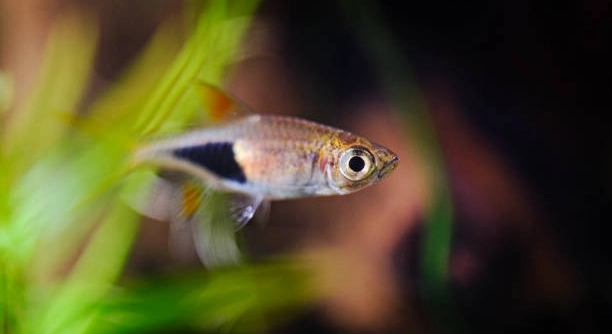
Creating a beautiful tank for rasboras can be both fun and relaxing. Small changes in decorations can make your aquarium feel more natural and visually appealing for both you and your fish.
The key to decorating a rasbora tank lies in balancing aesthetics with functionality. Providing ample swimming space, hiding spots, and plants ensures a healthy environment, while thoughtful arrangement enhances visual appeal and supports natural behaviors of the fish.
These simple ideas will help you transform your tank into a lively and attractive space for your rasboras.
Natural Plants for Comfort
Adding natural plants to a rasbora tank creates a more peaceful and comfortable environment. Live plants like Java fern, Anubias, and Amazon sword provide hiding spots and areas to explore, helping your fish feel secure. Plants also improve water quality by absorbing excess nutrients and producing oxygen, which supports the overall health of your fish. When placing plants, consider their growth patterns and ensure they do not overcrowd the tank. Floating plants can also reduce light intensity and give your rasboras shaded areas, mimicking their natural habitat. Some plants grow slowly, requiring less maintenance, while others need regular trimming to keep the tank neat. You can combine tall background plants with smaller foreground varieties to create depth and variety. Using live plants instead of artificial ones also reduces the risk of leaching harmful chemicals into the water. Observing your rasboras interact with plants can be calming and adds a dynamic element to the aquarium.
Live plants provide comfort and reduce stress for your fish while improving water quality.
Incorporating a mix of tall and short plants helps maintain a balanced look. Tall plants in the back give hiding spaces, while shorter ones in the front let the fish swim freely. Floating plants provide shade, making the tank feel more natural. Regular trimming ensures plants don’t take over the tank, and slow-growing varieties reduce maintenance. This simple setup benefits both the appearance of the aquarium and the well-being of your rasboras. Watching them weave through leaves can make the tank feel alive without adding complicated decorations or artificial elements.
Smooth Stones and Substrate
Smooth stones and a gentle substrate give rasboras a safe surface to explore.
Using rounded stones and fine gravel reduces the risk of injury and creates natural hiding spots.
Stones can be arranged to form small caves or ledges for the fish to swim around. Combining different sizes and colors of rocks adds visual interest without overwhelming the tank. A soft substrate like sand or small gravel prevents damage to delicate fins and allows rasboras to forage naturally. Avoid sharp-edged stones that could harm your fish. Layering substrate with nutrient-rich material also supports plant growth, enhancing the tank’s overall environment. By carefully choosing and placing stones, you can make a simple, elegant setup that looks natural while keeping your rasboras healthy. Smooth stones are easy to clean and maintain, making them practical for long-term tank care. This approach keeps decoration minimal yet functional, supporting both aesthetics and the fish’s natural behaviors.
Would you like me to continue with the next two decoration ideas in the same format?
Driftwood Features
Driftwood adds a natural touch while giving rasboras hiding places. It also slightly lowers pH, which can benefit certain species.
Driftwood pieces can be positioned to create small caves or arches. This provides shelter and adds interest to the tank’s layout. Ensure the wood is aquarium-safe and fully soaked before placing it in the tank to prevent tannins from discoloring the water too quickly. Different shapes and textures allow for creative arrangements without overcrowding. Pairing driftwood with plants enhances the natural look, making the tank feel more like a river environment. Over time, the wood may develop a subtle biofilm, which some fish enjoy grazing on, supporting natural feeding behaviors.
Using smaller driftwood pieces with curved shapes prevents the tank from feeling cluttered. The placement can create pathways for rasboras to swim through freely.
Driftwood not only decorates the tank but also supports the ecosystem. It can anchor plants like Anubias or moss, providing additional hiding spots and resting areas. By arranging multiple pieces carefully, you create depth and variety. Make sure there is still open swimming space for rasboras to move comfortably. This approach maintains a balance between functionality and aesthetics, giving the tank a calm, natural feel without heavy maintenance.
Minimalist Decorations
Minimalist décor reduces stress and keeps the tank easy to maintain. Rocks, plants, and driftwood can be placed sparingly to avoid overcrowding.
Using fewer items allows rasboras to swim freely while highlighting individual decorations. Open space encourages activity and natural behavior.
Minimalist arrangements focus on a few high-quality pieces rather than many small ones. Select decorations that complement each other in color and shape. For example, pairing a smooth stone with a small plant can create a focal point. Avoid placing items randomly; structured placement maintains balance and makes the tank visually appealing. Minimalism also simplifies cleaning and water changes. This style emphasizes natural interactions over clutter, keeping the aquarium both functional and attractive. It allows rasboras to explore without feeling trapped while giving the tank a clean, organized look.
Floating Plants
Floating plants provide shade and reduce light intensity in the tank. They create calm areas for rasboras to swim under.
These plants also help absorb excess nutrients, keeping water cleaner. They can be moved or thinned easily, making maintenance simple while adding a soft, natural look to the aquarium.
Small Caves and Hiding Spots
Caves and hiding spots give rasboras places to retreat and feel safe. Using small ceramic or resin decorations can mimic natural shelters without taking up too much space. Positioning them strategically ensures open swimming areas remain while offering security. Multiple hiding spots prevent territorial disputes and reduce stress, especially in active groups of rasboras. Pairing these with plants or driftwood enhances their appeal. The materials should be non-toxic and easy to clean. Observing fish use these shelters shows they feel comfortable and secure. Small caves also encourage natural behavior like resting or exploring, which keeps the tank lively and balanced.
Colorful Substrate
Bright or natural-colored substrate can enhance the tank’s appearance and highlight rasboras.
FAQ
What types of plants are best for rasbora tanks?
Low-maintenance, slow-growing plants like Java fern, Anubias, and Amazon sword work well. Floating plants like duckweed or water lettuce provide shade and reduce stress. Choose hardy species that tolerate moderate light and do not require constant trimming. Combining tall background plants with shorter foreground plants creates depth and hiding spots.
How should I arrange decorations for optimal swimming space?
Leave open areas for rasboras to swim freely. Position stones, driftwood, and caves along the edges or in corners. Avoid overcrowding the middle of the tank. Group decorations in a way that creates natural pathways, allowing fish to explore while maintaining visibility and ease of maintenance.
Are artificial decorations safe for rasboras?
Yes, if they are labeled aquarium-safe. Avoid sharp edges that could damage fins. Smooth resin, ceramic, or acrylic pieces are ideal. Rinse thoroughly before adding them to remove dust or residues. While artificial items do not improve water quality, they can provide hiding spots and visual interest without affecting the ecosystem.
How many hiding spots do rasboras need?
At least two to three hiding spots per small group are recommended. More can be added in larger tanks to prevent stress and territorial behavior. Using a mix of caves, driftwood, and plants allows fish to retreat and rest comfortably. Rotate or rearrange occasionally to keep the environment stimulating.
Is it necessary to use substrate in a rasbora tank?
Substrate is important for aesthetics, plant rooting, and natural behavior. Fine gravel or sand is best for delicate fins and foraging. Layering with nutrient-rich substrate supports plant growth. Avoid sharp or coarse materials that could injure fish. Substrate also helps beneficial bacteria colonize, supporting a healthy ecosystem.
Can rasboras share the tank with other fish?
Yes, with peaceful species that prefer similar water parameters. Avoid aggressive or large fish that could harm rasboras. Consider small tetras, guppies, or Corydoras catfish. Maintain proper stocking levels to prevent overcrowding and stress. Provide sufficient hiding spots and plants to reduce conflicts and ensure each species thrives.
How often should decorations be cleaned?
Clean decorations every 2-4 weeks or when algae buildup is noticeable. Use a soft brush or sponge without soap or chemicals. Remove and rinse artificial items and gently trim or clean plants if necessary. Regular cleaning maintains aesthetics while preventing harmful bacteria or excessive waste accumulation.
Do driftwood pieces affect water chemistry?
Yes, driftwood can slightly lower pH and soften water by releasing tannins. This can benefit rasboras, as they prefer slightly acidic to neutral water. Fully soak wood before placing it in the tank to reduce discoloration. Over time, driftwood may develop a natural biofilm, which is harmless and sometimes eaten by fish.
How do I prevent overcrowding with decorations?
Measure the tank and plan decorations carefully. Focus on a few high-quality pieces rather than many small items. Leave open swimming space and avoid placing tall or wide decorations in the center. Minimalist layouts reduce stress for fish and simplify maintenance while maintaining a visually appealing aquarium.
Can floating plants block too much light?
Yes, dense coverage may limit light for submerged plants. Thin or move floating plants periodically to ensure adequate light penetration. A balance between shaded areas and light exposure supports plant growth and keeps the tank healthy. Floating plants also create shaded retreats that rasboras appreciate.
Are colorful substrates safe for rasboras?
Yes, as long as the substrate is non-toxic and designed for aquariums. Avoid dyed materials that may leach chemicals. Natural or muted tones tend to reduce stress, while bright substrates can enhance tank aesthetics. Proper rinsing before use prevents cloudiness and keeps water clean.
Can rasboras be stressed by too many decorations?
Yes, overcrowded tanks can cause stress, reduce swimming space, and trigger territorial behavior. Keep decorations balanced, with enough open areas for free movement. Monitor fish behavior and adjust placement if hiding or aggression becomes frequent. Proper layout supports health and natural activity.
Do caves need to be sterilized before adding?
Yes, rinse caves with hot water or boil ceramic/stone pieces without chemicals. This removes dust, residues, or pathogens. Avoid soap or detergents. Properly prepared caves are safe and ready for fish to use as hiding spots, promoting comfort and security.
Can substrate color affect fish behavior?
Yes, darker substrates often make fish colors appear brighter and reduce stress, while very light or reflective substrates may cause anxiety. Choose a natural tone that complements your decorations and highlights the rasboras without overwhelming the tank visually.
How do I balance plants, stones, and driftwood in a small tank?
Use a mix of one or two feature elements per category. Place taller plants in the background, medium stones along edges, and a small driftwood piece as a focal point. Keep the center open for swimming. Rotate decorations occasionally to maintain visual interest and prevent monotony.
How often should floating plants be thinned?
Thin floating plants every one to two weeks depending on growth rate. Remove excess plants to prevent blocking too much light and maintain water flow. Regular thinning ensures light reaches submerged plants and prevents overcrowding on the surface.
What’s the best way to monitor fish stress related to tank décor?
Observe swimming patterns, hiding frequency, and fin condition. Lethargy, constant hiding, or fin damage can indicate stress from overcrowding or sharp objects. Adjust decoration placement and ensure open swimming areas. Consistent water quality and adequate hiding spots reduce stress effectively.
How can decorations support breeding behavior?
Dense plants, caves, and shaded areas provide secure spots for spawning. Live plants offer surfaces for eggs, while small caves protect fry from larger fish. Carefully arranged décor encourages natural behavior, increasing the likelihood of successful breeding while keeping the environment safe.
Can artificial plants replace live plants entirely?
Yes, but they do not improve water quality or provide oxygen. Artificial plants are low-maintenance and can still offer hiding spots and swimming pathways. Combining both live and artificial plants can balance aesthetics, functionality, and care requirements.
Do rasboras prefer specific textures in decorations?
Smooth surfaces are preferred for rocks, driftwood, and substrate to avoid injury. Rough or sharp edges can harm fins and scales. Textured decorations are useful for plant anchoring but should be checked for safety before placement.
How do I prevent algae growth on decorations?
Regular water changes, controlling light duration, and maintaining balanced nutrients help reduce algae. Manually clean decorations during maintenance. Floating plants can also shade surfaces and slow algae growth. Consistent care keeps the tank clean without disrupting fish comfort.
Can I use multiple driftwood pieces safely?
Yes, as long as space remains for swimming. Arrange pieces to create hiding spots and pathways. Ensure each piece is soaked and safe for aquarium use. Multiple pieces can enhance the natural feel and provide more shelter without overcrowding the tank.
How should stones be cleaned before placing them in the tank?
Rinse stones thoroughly with hot water. Scrub off dust or debris with a soft brush. Avoid soap or chemical cleaners. Sterilizing stones prevents harmful bacteria or residues from entering the aquarium, keeping water quality stable for rasboras.
Are caves necessary for all rasbora species?
Not all species need caves, but most benefit from hiding spaces. Even active swimmers require occasional retreat areas. Providing at least a few shelters reduces stress, supports natural behavior, and contributes to a balanced, healthy aquarium environment.
Can decoration placement affect water flow?
Yes, tall plants or densely packed stones can slow circulation. Ensure water movement reaches all areas, especially around filtration. Proper placement supports oxygen distribution, reduces dead zones, and maintains water quality while keeping decorations visually appealing.
Do rasboras interact differently with artificial versus natural decorations?
They often treat both similarly for hiding and exploration, but biofilm may develop on natural items, offering grazing opportunities. Observing how your fish respond can help refine decoration choices for optimal activity and comfort.
How to keep a minimalist tank interesting?
Focus on a few well-chosen decorations. Rotate plants or rearrange driftwood occasionally. Use a mix of textures and heights to create visual depth. Open swimming areas allow fish to interact naturally, keeping the tank dynamic without overcrowding or excessive elements.
What common mistakes should be avoided with decorations?
Overcrowding, using sharp or toxic materials, neglecting cleaning, and blocking swimming space are common errors. Balance aesthetics with function, leave open areas, and prioritize fish safety. Careful planning ensures a visually pleasing and healthy environment.
Can decorations affect water temperature?
Large pieces can slightly influence localized temperature, but overall impact is minimal. Ensure heaters and filters maintain stable conditions. Decorations may offer shaded areas, giving fish relief from bright lights or warm water zones.
Are certain decoration materials better for planted tanks?
Porous stones, driftwood, and nutrient-rich substrates support plant growth. Avoid plastics that cannot anchor roots. Combining suitable materials with safe décor ensures plants thrive, while rasboras benefit from a natural, stimulating environment.
How often should I reassess my tank décor?
Every few months, check fish behavior, plant growth, and decoration placement. Adjust as needed to maintain balance, open swimming space, and safety. Regular assessment keeps the tank visually appealing and supports the health of rasboras.
Can decorations reduce aggression among fish?
Yes, multiple hiding spots, plants, and caves help diffuse tension. They allow fish to claim territories without confrontation, especially in active or densely stocked tanks. Proper spacing and layout encourage harmony while providing comfort and security.
What role do substrate and decorations play in water chemistry?
Substrate can buffer pH, support plant nutrients, and foster beneficial bacteria. Driftwood may lower pH slightly. Properly chosen and prepared materials maintain stable water conditions, contributing to fish health and a balanced aquarium environment.
How do I combine decorations for a cohesive look?
Use complementary colors, textures, and sizes. Pair smooth stones with soft plants, and position driftwood for natural focal points. Keep symmetry and spacing in mind to create a calm, aesthetically pleasing environment that highlights rasboras without clutter.
Can decorations impact feeding behavior?
Yes, hiding spots and plants allow fish to forage naturally and feel secure during feeding. Decorations can slow down dominant fish, giving timid individuals access to food. Proper layout promotes even feeding and reduces stress.
Are live plants necessary for a healthy tank?
Not strictly, but they improve water quality, provide oxygen, and offer natural hiding spots. Artificial decorations can supplement, but live plants create a more balanced and engaging environment for rasboras.
How do I introduce new decorations safely?
Rinse or soak new items in hot water. Inspect for sharp edges or contaminants. Place them gradually to allow fish to adjust. Monitor behavior to ensure the tank remains balanced and stress-free.
Can substrate and decorations influence breeding?
Yes, plants, caves, and shaded areas create secure spots for spawning. Substrate can support plant attachment and egg laying. Thoughtful arrangement encourages natural breeding behaviors while protecting fry from predation.
Do decorations require different care depending on material?
Yes, live plants need trimming and nutrient management. Driftwood may need soaking and occasional cleaning. Stones and artificial items only require rinsing. Understanding care requirements helps maintain a healthy, visually appealing tank.
How do decorations affect tank maintenance?
Properly chosen and arranged décor simplifies cleaning and water changes. Avoid overcrowding and sharp items to reduce debris buildup. Minimalist layouts with open swimming space make maintenance faster while keeping fish comfortable.
Are there decorations that can be harmful over time?
Sharp-edged rocks, untreated driftwood, or dyed plastics may harm fish or leach chemicals. Always use aquarium-safe materials, rinse thoroughly, and monitor water quality to ensure long-term safety for rasboras.
Can decorations influence fish activity levels?
Yes, open swimming areas encourage active schooling, while hiding spots allow rest. A balanced combination keeps fish healthy and engaged without causing stress or territorial disputes.
What is the best order for placing decorations?
Start with substrate, then position large background plants, followed by stones, driftwood, and small foreground plants. Place caves strategically for hiding, leaving open areas for swimming. This order creates a natural, organized, and functional tank layout.
How do I know if my tank is balanced with decorations?
Observe fish behavior, water flow, and plant growth. Fish should swim freely, hide comfortably, and show natural activity. If overcrowding, stress, or uneven light occurs, adjust decoration placement to maintain harmony.
Can decorations be rearranged safely?
Yes, carefully move items while monitoring fish. Avoid sudden drastic changes. Gradual rearrangement can refresh the tank’s look, stimulate exploration, and maintain safety for rasboras.
Do decorations affect water circulation?
Yes, large items or dense plants can create low-flow areas. Ensure filtration and flow reach all regions to prevent debris buildup and maintain oxygen levels. Proper arrangement keeps water moving evenly.
Are there decorations that support both fish and plants?
Driftwood, smooth stones, and porous rocks anchor plants while offering hiding spots. This dual purpose maximizes space, maintains aesthetics, and supports natural fish behavior.
How do I combine function and aesthetics in tank décor?
Balance open swimming space with hiding spots. Use a few feature pieces and complementary plants. Minimal clutter keeps the tank visually appealing and functional, supporting healthy fish activity.
Can decorations be seasonal or rotated for interest?
Yes, periodically rearranging or swapping decorations refreshes the tank visually. Fish adapt to small changes, and rotation keeps plants healthy while preventing monotony.
Do decorations influence light distribution?
Yes, tall plants or dense items can shade certain areas. Ensure light reaches all plants as needed and creates shaded retreats for fish. Proper planning maintains balance and supports healthy growth.
Are there decorations that promote natural schooling behavior?
Open swimming paths with minimal obstruction allow rasboras to school naturally. Combining plants and small rocks along the edges helps maintain group cohesion without isolating individuals.
Can decorations reduce algae growth naturally?
Floating plants and shaded areas slow algae by limiting light. Balanced plant density competes for nutrients, reducing excess growth. Regular maintenance ensures decorations support algae control without harming fish.
How do I make a small tank appear larger with decorations?
Use vertical plants, low-profile stones, and small driftwood pieces. Leave open space in the center and arrange items asymmetrically. This creates depth, visual interest, and a spacious feel for rasboras.
Do decorations affect filter efficiency?
Overcrowded items can restrict water flow and reduce filtration efficiency. Place decorations to allow unobstructed circulation while maintaining aesthetic appeal. Regular monitoring ensures both cleanliness and fish comfort.
Can decorations be customized for personal style?
Yes, choose colors, textures, and arrangements that appeal visually. Balance aesthetics with safety and fish comfort. Thoughtful customization enhances tank beauty while maintaining a healthy environment.
What’s the easiest way to update tank décor?
Swap a few plants, reposition driftwood, or add small stones. Gradual changes prevent stress and keep the tank fresh. Maintenance remains simple while creating a visually dynamic aquarium.
Are there decorations that double as feeding areas?
Driftwood with biofilm or textured stones can encourage grazing. Plants may also provide microfauna for fish to nibble. Incorporating such items adds functionality while enhancing natural behavior.
How do I test new decorations before adding them?
Rinse thoroughly, soak in a separate container, and inspect for sharp edges or toxins. Monitor water chemistry if unsure. Once safe, gradually introduce to the main tank.
Do decorations influence tank noise or vibration?
Hard surfaces can amplify vibrations from pumps or heaters. Soft plants and substrate help dampen noise. Proper placement reduces stress and creates a calm environment for rasboras.
Can decorations support juvenile fish growth?
Yes, caves, plants, and hiding spots protect juveniles from adults. Open swimming areas allow healthy exercise while decorations offer security, promoting better growth and development.
Are there decorations that help oxygenate water?
Live plants contribute oxygen during photosynthesis. Aeration devices work well with open layouts and minimal obstruction. Combining functional décor and live plants supports overall water quality.
How often should I check for damaged decorations?
Inspect monthly for cracks, sharp edges, or decaying material. Remove or replace items as needed to prevent injury and maintain a safe, attractive tank.
Can substrate layering affect plant and fish health?
Yes, nutrient-rich layers support plant roots while a top layer of sand or fine gravel protects fish. Proper layering balances aesthetics, growth, and safety.
Do decorations need quarantine before adding?
Artificial items only need cleaning. Live plants or driftwood may benefit from a brief soak or inspection to remove pests or contaminants before introducing them to the tank.
Can decorations affect water clarity?
Excess tannins from driftwood or loose substrate may slightly discolor water. Regular rinsing and maintenance prevent significant impact, keeping the tank clear while supporting aesthetics and fish health.
How do I ensure all fish access hiding spots equally?
Distribute caves, plants, and driftwood evenly. Avoid clustering in one area. Monitor behavior to ensure shy individuals can retreat comfortably, promoting a stress-free environment for the entire group.
Are there decorations that help mimic a natural river habitat?
Smooth stones, driftwood, live plants, and sandy substrate create a natural river-like environment. Combining these elements encourages natural behaviors and provides a visually appealing, functional tank for rasboras.
How can I keep decorations safe during water changes?
Move delicate items gently, avoid dropping, and rinse carefully. Ensure stability when returning to the tank to prevent shifts that could harm fish or plants.
Do decorations influence water temperature stability?
Large stones or driftwood can provide shaded areas, slightly moderating local temperature. Overall, heaters and filtration maintain stable water conditions, while decorations add natural microhabitats.
Can decorations be used to create territories?
Yes, rocks, plants, and caves help divide space. Territorial boundaries reduce conflict and allow fish to establish preferred areas, keeping the tank peaceful.
Are there decorations that encourage exploration?
Caves, arches in driftwood, and layered plants create pathways. Fish can weave through these structures, stimulating activity while providing security and a visually interesting tank.
How do I balance decoration density with open space?
Place larger items along edges, keep center open, and stagger heights. Monitor fish behavior to ensure free swimming and adequate hiding areas, maintaining both aesthetics and function.
Can decorations help in reducing aggression during feeding?
Yes, hiding spots and plants allow timid fish to access food safely. Decorations slow dominant fish, giving all individuals a chance to feed without stress.
Are certain decorations better for small versus large tanks?
Smaller tanks benefit from minimalist arrangements, low-profile stones, and compact plants. Larger tanks can accommodate more diverse and taller décor while maintaining open swimming space.
Do decorations need to match tank size and fish number?
Yes, scaling ensures open swimming areas, reduces stress,
Creating a comfortable and visually appealing tank for rasboras does not have to be complicated. Simple decorations like smooth stones, driftwood, caves, and live plants can make a big difference in the fish’s environment. Each item serves a purpose, whether it is providing hiding spots, supporting plant growth, or adding natural beauty. By arranging these elements thoughtfully, you can maintain open swimming areas while giving the fish places to explore. Even small changes, like adding a few floating plants or adjusting the position of stones, can improve the tank’s overall balance and make the environment feel more natural. A well-organized tank helps reduce stress and encourages healthy behavior, which is essential for keeping rasboras active and thriving.
Decorating a tank is not just about aesthetics; it also impacts the well-being of the fish. For example, live plants help improve water quality by absorbing nutrients and producing oxygen. Driftwood and caves provide shelter and a sense of security, while a proper substrate allows natural foraging and supports plant roots. Even artificial decorations can serve as functional hiding spots if they are safe and smooth. The key is to balance decorations so that the fish have both open swimming areas and places to retreat. Observing your rasboras interact with their environment can guide adjustments to the layout. Overcrowding with decorations can lead to stress and aggression, while too few elements can make the tank feel empty and less engaging. Small, purposeful additions often work better than large, overly decorative items.
Maintaining the tank over time is equally important. Decorations need regular cleaning to prevent algae buildup and preserve water quality. Plants may require trimming, and driftwood can occasionally release tannins, slightly altering water color. Checking decorations for sharp edges or damage ensures the safety of the fish. By keeping a simple, functional, and visually pleasing setup, you reduce maintenance stress while supporting the health of your rasboras. Minimalist approaches often work best, combining a few high-quality items with live plants and substrate to create a calm and natural environment. Thoughtful decoration can make the tank feel lively and balanced, giving the fish a secure home and making it enjoyable to watch their natural behaviors over time.

Hello,
If you enjoy the content that we create, please consider saying a "Thank You!" by leaving a tip.
Every little bit helps us continue crafting quality advice that supports the health, happiness, and well-being of pets around the world, for pets of all shapes, sizes, and species.
We really appreciate the kindness and support that you show us!