
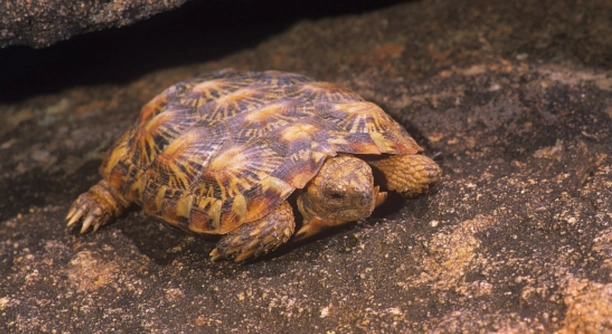
Pancake tortoises are unique pets, and they require careful attention to their diet. Transitioning them to a new diet can be tricky, but with the right steps, you can help them thrive.
Transitioning a pancake tortoise to a new diet involves gradually introducing new foods while monitoring its health. It’s important to ensure that the changes are balanced and suitable for their digestive system to avoid any stress or health issues.
Making changes to your tortoise’s food doesn’t need to be overwhelming. We’ll guide you through a straightforward process that ensures a smooth transition for your shelled companion.
Understanding the Tortoise’s Natural Diet
Pancake tortoises are primarily herbivores, feeding on a variety of grasses, plants, and leafy greens in the wild. When transitioning them to a new diet, it’s important to replicate these natural food sources as closely as possible. A sudden change can stress the tortoise and affect its digestion, so the switch should be gradual.
Their diet must consist of high-fiber foods and should avoid anything too rich or heavy. This allows their digestive system to stay healthy. Offering a variety of safe greens like dandelion leaves, clover, or hibiscus flowers will make the diet more appealing and more natural for your tortoise.
Maintaining a proper balance of calcium, phosphorus, and vitamins is crucial. If you’re unsure about nutritional content, consider consulting a veterinarian or a reptile nutrition expert. This helps ensure your pancake tortoise is getting the nutrients it needs for optimal health. Gradually replacing its old food with new options is the best way to introduce these changes without causing harm.
Preparing the New Foods
It’s important to prepare the new food for your pancake tortoise properly.
Chop the food into small, manageable pieces, making sure it’s fresh and free of pesticides or chemicals. This reduces the risk of any unwanted effects on their health. It’s best to offer the new food in small amounts, allowing the tortoise to adjust to the change.
Cutting the food into smaller pieces is essential for easier consumption. Tortoises are not used to eating large chunks, and this could deter them from trying the new food altogether. Additionally, always provide clean, fresh water to accompany the meals, as hydration plays a significant role in their digestive health.
Gradual Introduction to New Foods
The process of transitioning your pancake tortoise to a new diet must be slow and careful. Start by offering small amounts of the new food along with the tortoise’s usual meals. Over the course of several days or weeks, gradually increase the proportion of the new food while reducing the old.
It’s important to watch for any signs of distress during this transition. Look for changes in behavior, such as loss of appetite, lethargy, or difficulty digesting the food. If you notice any of these, slow down the transition and consult a vet to ensure the new diet is suitable.
If your tortoise shows interest in the new food, that’s a good sign. However, don’t be discouraged if it takes some time to adjust. Patience is key during this process. Keep offering small portions until you’re confident your tortoise is fully accustomed to the new diet.
Keeping the Tortoise’s Health in Check
Constant monitoring of your pancake tortoise’s health is essential when making dietary changes.
Watch for any signs of weight loss, shell abnormalities, or changes in behavior. These could indicate a problem with the new food. Make adjustments as needed, whether it’s changing the food type or consulting with a reptile expert.
Ensuring that your tortoise maintains a healthy weight is a good indicator that the transition is going smoothly. Pancake tortoises can sometimes be sensitive to diet changes, so be ready to make gradual adjustments. Avoid offering too many new foods at once, as this could overwhelm the tortoise and prevent it from adapting properly.
Monitoring the Tortoise’s Behavior
It’s crucial to keep an eye on how your pancake tortoise is acting during the transition.
If it seems less active or refuses to eat the new food, that could be a sign of stress. If your tortoise is still active and curious, it’s likely adapting well to the changes. However, don’t rush things if your tortoise shows signs of hesitation.
Watch its eating patterns carefully and offer the new food in smaller amounts. This gradual approach helps your tortoise feel more comfortable and reduces stress. If the behavior doesn’t improve after a few days, consider tweaking the diet to better suit its needs. A calm, patient approach will help you gauge the success of the transition.
Adjusting the Environment for Comfort
Along with diet changes, make sure your tortoise’s living environment supports its well-being.
Ensure there is plenty of space for it to roam and hide if needed. Proper lighting and temperature are also important for digestion. If these factors are not optimized, it can cause your tortoise to feel more stressed, which may impact its willingness to try new foods.
Consider adding more hiding spots and climbing areas, as these encourage natural behaviors and make your tortoise feel safer. Be mindful of the habitat’s cleanliness, too. A comfortable and clean environment reduces stress and gives your pancake tortoise the confidence to explore its new diet. The more secure it feels in its surroundings, the more likely it is to adapt to dietary changes successfully.
Avoiding Overfeeding
Overfeeding can be just as harmful as underfeeding when transitioning your pancake tortoise to a new diet.
Offering too much food at once can lead to overeating, which may cause digestive issues or weight gain. Stick to a controlled portion size to ensure your tortoise isn’t overwhelmed by the change.
Gradually increasing portion sizes over time can help your tortoise adjust. The goal is to maintain a balance of feeding without overloading its system. Consistency is key to a healthy transition, and it’s important to adjust portion sizes based on your tortoise’s appetite and health.
Choosing the Right Supplements
Supplements are essential to ensure your tortoise gets all the necessary nutrients.
Consider adding calcium and vitamin D3 to its diet, especially if the tortoise isn’t getting enough natural sunlight. These supplements can help prevent metabolic bone disease and other health issues. Be careful not to over-supplement, as too much of these nutrients can cause harm.
Offer supplements in small amounts, only as needed. Using a powdered form of calcium and sprinkling it on food will make it easier for your tortoise to absorb. Always follow recommended guidelines or consult a reptile specialist to ensure proper dosage.
Consulting a Veterinarian
If you’re unsure about the transition process, it’s always a good idea to seek professional advice.
A reptile veterinarian can offer tailored recommendations based on your tortoise’s specific needs. They may suggest further adjustments to the diet, habitat, or health monitoring. A check-up during this period helps ensure the transition is healthy and stress-free.
FAQ
What should I do if my pancake tortoise refuses to eat the new food?
If your pancake tortoise refuses to eat, don’t panic. First, check the food’s freshness and make sure it’s free of pesticides. Sometimes, tortoises can be hesitant about new foods. Try offering the new diet alongside its usual food, slowly increasing the new food’s portion over time. If refusal continues for several days, it might be a sign that the new food isn’t to its liking, and adjustments are needed.
How can I tell if my pancake tortoise is adjusting well to the new diet?
Signs that your tortoise is adjusting well to the new diet include eating regularly, staying active, and showing normal behavior. If it continues to eat, move around comfortably, and maintain a healthy weight, it’s a positive sign. Keep an eye on its shell and overall appearance for any changes that could signal an issue.
Can I feed my pancake tortoise fruits during the transition?
Fruits can be a healthy treat but should be offered in moderation. They are high in sugar, which can upset the digestive system if consumed too often. During the transition, it’s best to focus on leafy greens and other high-fiber foods. Once your tortoise has fully adjusted to the new diet, you can occasionally offer small amounts of fruit as a treat.
Should I give my pancake tortoise vitamins or supplements during the transition?
Yes, supplements such as calcium and vitamin D3 are important, especially if your tortoise is not getting enough sunlight. These supplements support bone health and prevent deficiencies. However, be careful not to over-supplement, as excess calcium or vitamin D can cause problems. Consult a veterinarian to determine the right dosage based on your tortoise’s needs.
How do I know if my pancake tortoise is getting enough calcium?
Calcium is essential for a healthy shell and bone structure. If your tortoise’s shell appears soft, weak, or shows signs of deformities, it may not be getting enough calcium. If you’re unsure, a vet can help evaluate its diet and recommend the right calcium supplements. Additionally, providing calcium-rich foods like dark leafy greens can help improve intake.
What should I do if my pancake tortoise is losing weight during the diet change?
Weight loss can be a sign that your tortoise isn’t adjusting well to the new food. This could be due to a lack of nutrients or an improper balance of food. Gradually increase the amount of food and make sure you’re offering high-fiber, nutrient-rich options. If weight loss continues, consult a vet for advice on how to adjust the diet.
How can I ensure my pancake tortoise stays hydrated?
Hydration is critical during any diet transition. Make sure fresh water is always available, and consider offering it in a shallow dish that your tortoise can easily access. Some tortoises also benefit from soaking in water for 10-15 minutes once a week, which encourages hydration and supports digestion.
Is it okay to change my pancake tortoise’s food suddenly?
Sudden changes in food can stress your pancake tortoise and upset its digestive system. It’s always best to make gradual adjustments by introducing new foods slowly and mixing them with its current diet. A slow transition helps the tortoise adjust to the new food without causing discomfort or health issues.
Can I feed my pancake tortoise commercially available tortoise food?
Commercial tortoise food can be convenient but should only be used as a supplement, not a main diet. Look for high-quality brands that contain natural ingredients and avoid foods with too many additives or fillers. Always pair this food with fresh greens and other natural foods to ensure your tortoise gets a well-rounded diet.
What are the best types of greens to feed my pancake tortoise?
Some of the best greens for a pancake tortoise include dandelion greens, clover, collard greens, mustard greens, and hibiscus leaves. These options provide the necessary fiber and nutrients for a healthy diet. Always avoid iceberg lettuce, as it lacks nutritional value and can cause digestive issues. Make sure the greens are free from pesticides or chemicals.
How often should I feed my pancake tortoise during the transition?
During the transition, feed your pancake tortoise once a day, offering small portions. As it adjusts, you can increase the quantity slightly. Make sure not to overfeed, as it may cause digestive problems. Monitor its appetite closely and adjust the amount based on how it’s responding to the new foods.
Can I feed my pancake tortoise the same diet year-round?
While the core diet of your tortoise can remain the same, it’s important to offer seasonal variety. Different plants and greens are available at various times of the year, so use this to provide more diversity in their diet. A varied diet helps meet the tortoise’s nutritional needs and keeps it engaged with new foods.
Final Thoughts
Transitioning your pancake tortoise to a new diet is an important process that requires patience and care. It’s not something that should be rushed, as sudden changes can cause stress or digestive issues. The key is to make the transition gradual, giving your tortoise time to adjust. By introducing new foods slowly and monitoring your tortoise’s behavior, you can ensure that it remains healthy and happy throughout the process.
During the transition, make sure to keep a close eye on your tortoise’s health. Watch for any signs of discomfort, such as refusal to eat, weight loss, or lethargy. These could be signals that the new food isn’t agreeing with your tortoise. If this happens, don’t be discouraged. It’s important to make adjustments as needed, whether that means changing the food type or slowing down the process. Offering a variety of safe, natural foods is crucial to providing balanced nutrition while also keeping your tortoise interested in the new meals.
Lastly, keep in mind that every tortoise is different. Some may adjust quickly, while others may take more time to adapt. What works for one may not work for another. Be prepared to experiment with different foods and supplements, always ensuring that your tortoise gets the proper nutrients it needs. With careful planning, a well-balanced diet, and consistent monitoring, you’ll be able to successfully transition your pancake tortoise to a new diet while ensuring its overall well-being.

Hello,
If you enjoy the content that we create, please consider saying a "Thank You!" by leaving a tip.
Every little bit helps us continue crafting quality advice that supports the health, happiness, and well-being of pets around the world, for pets of all shapes, sizes, and species.
We really appreciate the kindness and support that you show us!