
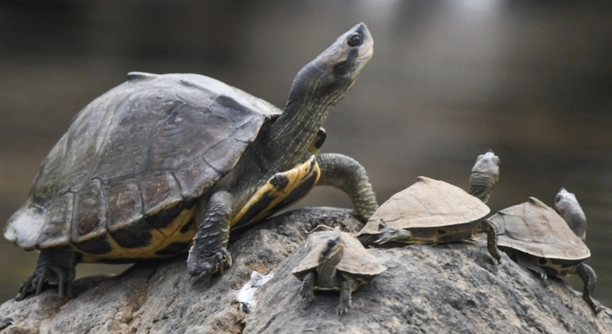
Setting up a proper tank for your Indian Roofed Tortoise is essential for their health and well-being. Providing the right environment ensures they thrive in captivity. It’s easier than you might think with the right steps.
To set up the perfect tank for your Indian Roofed Tortoise, start by selecting an appropriately sized enclosure with proper ventilation, heating, and humidity control. Incorporate substrates like coconut coir and ensure sufficient space for basking and hiding. Regular maintenance is key.
A well-structured tank will not only provide a comfortable living space but also support their natural behavior. Follow these steps to create an optimal environment for your tortoise’s health.
Choosing the Right Tank Size
When selecting a tank for your Indian Roofed Tortoise, size is crucial. The enclosure should provide ample space for your tortoise to move around freely. A tank that is too small can lead to stress and hinder natural behaviors like foraging and basking. Aim for a tank size of at least 75 gallons for one adult tortoise, with the option to go larger if you plan to house more than one. The longer the tank, the better. A longer tank allows for more climbing and exploration space, which helps your tortoise feel more comfortable and secure.
For a single tortoise, a 75-gallon tank is a good minimum. Consider upgrading to an even larger enclosure as your tortoise grows to ensure they have plenty of room to roam. The space will also help in controlling humidity and temperature more efficiently.
Remember, providing a spacious environment helps with your tortoise’s physical and mental health. Space allows them to exercise and grow without feeling confined, which is essential for their well-being.
Creating a Comfortable Substrate
Substrate serves as the base layer of your tortoise’s tank and plays a significant role in maintaining humidity and providing a comfortable surface for walking. Choose natural substrates like coconut coir, which is absorbent and safe for your tortoise. Avoid using sand or gravel, as they can cause impaction if ingested. You’ll need to provide a substrate layer that is deep enough to allow burrowing, typically 3 to 4 inches.
Make sure to regularly spot clean the substrate and replace it when necessary to maintain hygiene. A clean environment prevents the growth of harmful bacteria and ensures that your tortoise remains healthy.
Maintaining a safe, comfortable substrate helps create a more natural and stimulating environment for your tortoise. It mimics the conditions they would experience in the wild, supporting their instinctual behaviors like digging and hiding.
Proper Lighting and Heat
Tortoises need a balance of UVB light and heat for their tanks. Use a UVB bulb to mimic the sun’s rays, as this helps your tortoise process calcium properly. Place a basking light in one area to provide warmth, keeping the temperature between 80-90°F during the day. At night, the temperature can drop to 70°F, but avoid drastic changes.
Both UVB lighting and proper heating are vital for your tortoise’s health. UVB helps in the synthesis of Vitamin D3, which is essential for calcium absorption. Without this, your tortoise could develop metabolic bone disease. The basking area should be warmer, allowing your tortoise to regulate its body temperature by moving closer or farther from the light source.
Monitor the temperature regularly with a thermometer to ensure it remains stable. A heat gradient, with a warm and cool side, will let your tortoise move to the area they find most comfortable. Regularly replacing the UVB bulb is necessary since its effectiveness decreases over time, even if it still lights up.
Humidity Control
Maintaining proper humidity is essential for your tortoise’s respiratory health and hydration. Aim for humidity levels between 50-60%. A simple way to maintain this is by misting the tank daily and using a water dish. Keep the substrate moist but not wet, as excess water can create mold or bacteria. Use a hygrometer to monitor humidity levels.
You can also increase humidity by adding plants or a shallow water pan. These items help raise the humidity without creating a damp, unpleasant environment. Just ensure the water dish is large enough for your tortoise to drink from, but shallow enough for them to avoid drowning.
If humidity levels dip too low, your tortoise may experience shedding problems or even dehydration. Regularly monitor and adjust the humidity to keep your tortoise comfortable. Healthy humidity levels prevent dry skin, promote natural shedding, and support your tortoise’s general health.
Feeding Setup
Provide a separate feeding area for your tortoise. Use a shallow dish for water and another for their food. This keeps their living space clean and helps prevent contamination of their food. Keep the area clean by washing dishes regularly.
Tortoises typically eat leafy greens, vegetables, and some fruits. Ensure that their diet is balanced, including a variety of vegetables like kale, dandelion greens, and squash. Avoid feeding them too much fruit as it can cause digestive issues. You may also offer occasional plant-based treats like flowers or grass.
Water Quality
Your tortoise needs access to clean water at all times. Use a shallow, wide dish that’s easy for them to drink from without the risk of drowning. Change the water every day to ensure it’s fresh and free from contaminants.
Clean water is essential for hydration and helps in digestion. Make sure the dish is big enough for your tortoise to soak in if they choose, as soaking aids in hydration. Always clean the water dish thoroughly to avoid bacteria buildup and ensure a healthy living environment for your tortoise.
Tank Decoration
Decorate your tortoise’s tank with natural items like rocks, hides, and plants. Provide hiding spaces where your tortoise can feel safe and secure. This mimics their natural habitat and gives them a sense of security. Use safe, non-toxic decorations to avoid any harm.
Tank decorations not only make the environment more appealing but also offer stimulation. Rocks, logs, and plants encourage climbing and exploring, which are vital for your tortoise’s mental and physical well-being. Avoid sharp objects or anything that could injure your tortoise.
FAQ
What size tank do I need for my Indian Roofed Tortoise?
A 75-gallon tank is the minimum size for one adult tortoise. However, a larger tank is recommended, especially as your tortoise grows. The tank should allow for plenty of movement, with enough space for your tortoise to bask, hide, and explore.
Can I keep multiple tortoises together in one tank?
It is not recommended to keep more than one adult tortoise in the same tank, especially if the tank is not large enough. Tortoises can be territorial and may fight over space, food, or basking areas. If you want multiple tortoises, ensure each has its own space.
How often should I feed my tortoise?
Feed your tortoise daily with a variety of fresh vegetables. You can offer fruits occasionally as a treat, but avoid making them a large part of their diet. It’s important to provide fresh food every day, and always remove any uneaten food to keep the tank clean.
What is the best way to heat my tortoise’s tank?
Use a heat lamp to create a basking spot in your tortoise’s tank. The temperature in the basking area should be between 85-90°F. The rest of the tank should stay around 70-75°F. Make sure there is a temperature gradient, so your tortoise can move to a cooler area if needed.
How do I maintain humidity in the tank?
To maintain humidity, mist the tank lightly each day. You can also use a humidity monitor or hygrometer to keep track of the levels. Adding plants and a shallow water dish can also help maintain the right amount of moisture in the tank. Keep humidity around 50-60%.
Can I use a regular light bulb for the basking spot?
No, regular light bulbs do not provide the necessary UVB rays that your tortoise needs. A special UVB light bulb should be used for the basking spot, as it helps your tortoise absorb calcium and maintain a healthy shell. Make sure to replace the UVB bulb every 6-12 months.
How can I prevent my tortoise from escaping its tank?
Make sure the tank has secure walls that are tall enough to prevent your tortoise from climbing out. The lid should be tightly sealed if the tank is not covered. Tortoises are good at finding ways to escape, so regularly check that the tank is secure.
What temperature should I keep my tortoise’s tank at during the night?
At night, the temperature should drop to around 70°F. This allows your tortoise to have a natural temperature fluctuation, simulating its environment in the wild. Do not allow the temperature to drop too low, as this can stress your tortoise and affect its health.
How often should I clean the tank?
Spot clean your tortoise’s tank every day to remove any uneaten food and waste. Perform a full tank cleaning once a month. Replace the substrate when it starts to smell or become too dirty. Regular cleaning will keep the tank hygienic and safe for your tortoise.
Do I need to provide a hiding spot for my tortoise?
Yes, it is important to provide a hiding spot for your tortoise. Tortoises need a place to retreat to when they feel stressed or want to sleep. You can use rocks, logs, or a small shelter made from non-toxic materials. A hiding spot helps your tortoise feel secure.
Can I use sand as substrate for my tortoise’s tank?
No, sand is not recommended as a substrate for your tortoise’s tank. It can cause impaction if ingested, which can lead to serious health problems. Opt for coconut coir, which is safe, absorbent, and comfortable for your tortoise to walk on.
What do I do if my tortoise isn’t eating?
If your tortoise isn’t eating, check the temperature and humidity levels in the tank. Low temperatures or poor humidity can cause your tortoise to stop eating. It’s also a good idea to check for any signs of illness or stress. If the problem persists, consult a veterinarian.
Can my tortoise eat flowers?
Yes, tortoises can eat many types of flowers, but they should only be fed safe, non-toxic varieties. Flowers like dandelions, hibiscus, and clover are good options. Always ensure the flowers haven’t been treated with pesticides or chemicals before offering them to your tortoise.
How can I make sure my tortoise is getting enough calcium?
Provide a calcium supplement, either in powder form or as a cuttlebone, to ensure your tortoise gets enough calcium. Calcium is essential for shell health and growth. You can also offer calcium-rich foods like dark leafy greens and dandelion greens.
Is it normal for my tortoise to dig?
Yes, digging is normal behavior for tortoises. In the wild, they dig to create burrows for shelter and to find food. Providing a deep substrate allows your tortoise to dig and burrow, which helps mimic its natural habitat and keeps it mentally stimulated.
Final Thoughts
Setting up a proper habitat for your Indian Roofed Tortoise is essential for its health and well-being. By following the necessary steps, such as providing a spacious tank, proper lighting, and a balanced diet, you ensure that your tortoise has a comfortable and safe environment. These simple measures make a big difference in maintaining a healthy tortoise that can thrive for many years.
Understanding the importance of temperature, humidity, and tank decorations will help create an enriching environment for your tortoise. It’s important to remember that tortoises are not only creatures of habit but also need constant care and attention. Regular cleaning and maintenance of their living space will prevent any potential health issues and keep your tortoise comfortable. By respecting their natural instincts and providing them with space to roam and explore, you can ensure that your pet remains happy and active.
Lastly, always be prepared to make adjustments to their environment as needed. A tortoise’s needs may change as they grow, so keeping track of their requirements is key to their long-term health. By learning about your tortoise’s specific needs and behaviors, you will be able to provide a better life for your pet. Consistency and care are crucial when it comes to ensuring that your tortoise lives a long and healthy life in its perfect tank setup.

Hello,
If you enjoy the content that we create, please consider saying a "Thank You!" by leaving a tip.
Every little bit helps us continue crafting quality advice that supports the health, happiness, and well-being of pets around the world, for pets of all shapes, sizes, and species.
We really appreciate the kindness and support that you show us!