
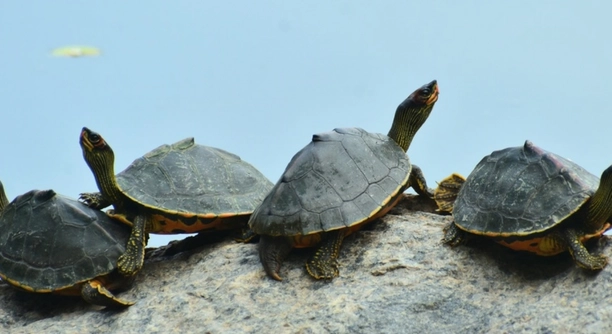
If your Indian Roofed Tortoise isn’t drinking water, it can be a sign of various issues that need attention. Dehydration in reptiles can be serious, so it’s important to address the problem promptly.
The main reasons your Indian Roofed Tortoise may not be drinking water include improper humidity, inadequate water sources, or health issues. Ensuring your tortoise’s environment is optimal and providing clean, accessible water is essential for hydration and overall well-being.
Simple adjustments in habitat and routine can often encourage your tortoise to drink more regularly. Ensuring proper care can improve their hydration and health.
Check Humidity Levels
One of the main reasons your Indian Roofed Tortoise may avoid drinking water is improper humidity levels. These turtles come from regions with higher humidity, and if their environment is too dry, they may not feel the need to drink. Ensuring that their enclosure is kept at the right humidity level will encourage them to stay hydrated. The ideal humidity level for this species is between 50-70%. You can monitor the humidity with a simple hygrometer and adjust as needed by misting the enclosure or using a humidifier. Additionally, placing a water dish deep enough for them to soak will help.
A consistent humidity level can make a significant difference in your tortoise’s drinking habits. Avoid fluctuations as they can stress the animal and affect its health. Regular misting or a humidity box can provide the moisture it needs.
Maintaining the right humidity level doesn’t just help with hydration; it supports your tortoise’s overall well-being. A humid environment also helps with proper shedding and promotes better digestion. If humidity is maintained, your tortoise will feel more comfortable and hydrated, improving its quality of life.
Provide Clean Water
Water quality is just as important as its availability. Tortoises can be quite particular about their water. If the water is dirty or stagnant, your tortoise may refuse to drink it. It’s essential to clean the water dish regularly, at least once a day, to prevent bacteria buildup. Make sure the water is fresh and free of chemicals. Offering clean water can make a huge difference in your tortoise’s hydration habits.
Tortoises are more likely to drink when their water source is clean and inviting. Using filtered water or water that has been dechlorinated can also be beneficial.
A simple trick to encourage your tortoise to drink more is placing a shallow dish of clean water near its basking area. The warm environment will encourage your tortoise to drink, especially after it spends time in the heat. Keeping the water bowl in a consistent, easily accessible spot will ensure your tortoise stays hydrated.
Ensure Proper Water Dish Placement
Placing the water dish in the right spot is crucial. Your Indian Roofed Tortoise should always have easy access to water. Avoid putting the dish in areas that get too hot or too cold. A spot near the basking area can encourage drinking, as the warmth helps increase hydration.
The water dish should also be shallow enough for your tortoise to easily access but deep enough for it to soak if it prefers. Tortoises are more likely to drink when the dish is placed in a comfortable spot that feels safe and accessible.
Make sure the dish is large enough for your tortoise to drink from easily. If your tortoise is hesitant to drink, try adding a small amount of water near its favorite hide spot. This encourages natural behavior and hydration.
Maintain a Stable Temperature
Temperature plays a significant role in your tortoise’s health and hydration. If the enclosure is too cold, your tortoise may not feel thirsty. Keeping the basking spot between 85-90°F (29-32°C) will encourage your tortoise to drink more.
Additionally, ensure that the cool side of the enclosure is not too cold, as extreme temperature differences can lead to stress or dehydration. Gradual temperature changes mimic the natural environment and help your tortoise feel comfortable. Having a consistent temperature throughout the day also supports overall digestion, boosting its desire for water.
Maintaining a stable temperature that aligns with your tortoise’s needs will reduce the chances of dehydration. Proper heating elements, such as a heat lamp or ceramic heat emitter, can help provide the warmth necessary for hydration.
Offer Variety in Water Sources
Sometimes, your tortoise may refuse to drink from its usual water dish. Offering different sources of water, such as a shallow dish or even a small water fountain, can encourage drinking. This gives your tortoise options and can make hydration more appealing.
Water fountains can provide running water, which some tortoises prefer. The sound of flowing water can also encourage them to drink more. If your tortoise is hesitant, try switching up the water source to see what it prefers.
Check for Illness
If your tortoise continues to avoid drinking, it could be a sign of illness. Common health issues, like respiratory infections or internal parasites, can cause a decrease in drinking behavior.
If dehydration persists, a visit to the vet is essential. Prompt treatment can prevent long-term health issues and ensure that your tortoise stays hydrated. A professional can diagnose the cause and offer specific advice on managing hydration.
Hydrate with Soaking
Soaking your tortoise in shallow, lukewarm water can help it hydrate. This method works well, especially for tortoises who are reluctant to drink.
Soaking for about 15-20 minutes allows your tortoise to absorb water through its skin, which can help with hydration. This is a simple and effective way to address dehydration when other methods aren’t working.
FAQ
Why is my Indian Roofed Tortoise not drinking water?
If your tortoise isn’t drinking water, it could be due to factors like low humidity, improper water temperature, or health issues. Stress and an unfamiliar environment can also contribute. Ensure that the water dish is clean and positioned correctly, and the humidity and temperature levels are optimal for your tortoise’s needs.
How can I increase my tortoise’s water intake?
To encourage your tortoise to drink more, provide fresh, clean water daily and ensure the water dish is easy to access. You can try adding a shallow dish near the basking spot to increase its chances of drinking. Misting the enclosure can also help increase humidity levels, which will encourage your tortoise to drink.
What should the humidity level be for my tortoise?
The humidity level for an Indian Roofed Tortoise should be between 50-70%. If the humidity is too low, your tortoise may become dehydrated. Use a hygrometer to monitor the humidity levels in the enclosure. Misting the enclosure or using a humidity box can help maintain the right moisture levels.
Can my tortoise drink from a water fountain?
Yes, some tortoises prefer drinking from running water. A small water fountain can encourage your tortoise to drink more often. The sound of flowing water is also enticing to some reptiles. Just ensure the fountain is easy to access and clean it regularly to prevent bacteria growth.
How often should I change the water for my tortoise?
It’s important to change your tortoise’s water daily. Stale or dirty water can discourage drinking and may cause health problems. Regularly clean the water dish to prevent bacteria buildup. If your tortoise is soiling the water often, you may need to clean it more frequently.
Should I soak my tortoise if it’s not drinking?
Soaking your tortoise in shallow, lukewarm water for 15-20 minutes can help it stay hydrated, especially if it’s not drinking from the dish. This allows your tortoise to absorb water through its skin. Soaking can be particularly useful for younger or more stressed tortoises who may be more reluctant to drink from a dish.
Is dehydration dangerous for my tortoise?
Yes, dehydration can be dangerous for your tortoise and lead to serious health issues, including kidney damage. It’s important to monitor your tortoise’s hydration closely. Signs of dehydration include dry skin, sunken eyes, and a lack of appetite. If you suspect your tortoise is dehydrated, take steps immediately to hydrate it.
What temperature should I keep my tortoise’s habitat at?
The temperature in your tortoise’s habitat should be between 80-90°F (27-32°C) in the basking area. The cool side of the enclosure should be around 70-75°F (21-24°C). Having a consistent temperature encourages your tortoise to drink and aids digestion. Make sure not to let the temperature fluctuate too much, as it could stress your tortoise.
Can I use tap water for my tortoise?
Tap water can be used, but it’s important to make sure it’s free of chlorine and other harmful chemicals. If your tap water contains chlorine, consider using dechlorinated water or filtered water. Over time, chlorine can build up and negatively affect your tortoise’s health. Always offer fresh water that’s free from any contaminants.
Why is my tortoise not drinking after moving to a new enclosure?
Moving to a new enclosure can stress your tortoise, which may cause it to stop drinking. It may take some time for your tortoise to adjust to its new environment. Ensure that the habitat conditions are just right – proper humidity, temperature, and access to clean water. Be patient and allow your tortoise time to acclimate.
Final Thoughts
Ensuring your Indian Roofed Tortoise stays hydrated is essential for its overall health. Proper hydration supports digestion, energy levels, and immune function. If your tortoise is not drinking, it could indicate a problem with its environment, diet, or even health. Taking immediate steps to address these factors can help restore hydration and prevent serious health issues.
If your tortoise refuses to drink, consider reviewing its habitat conditions. The placement of the water dish, temperature, and humidity levels are all crucial factors. A shallow, accessible water dish near the basking area can encourage your tortoise to drink more. Ensuring that the habitat remains at the proper temperature range will also promote hydration. If environmental factors seem in order, it may be worth considering health problems or stressors that might be affecting your tortoise’s behavior. In such cases, consulting with a veterinarian can be helpful.
While hydration is a primary concern, the way you provide water also matters. Offering variety in water sources or soaking your tortoise can be effective in encouraging it to drink. Sometimes, a change in approach is all it takes. By keeping a close eye on your tortoise’s hydration, temperature, and humidity needs, you can help ensure its long-term health and well-being. Monitoring for any signs of dehydration or health issues and addressing them promptly can prevent complications and ensure that your tortoise remains happy and healthy.

Hello,
If you enjoy the content that we create, please consider saying a "Thank You!" by leaving a tip.
Every little bit helps us continue crafting quality advice that supports the health, happiness, and well-being of pets around the world, for pets of all shapes, sizes, and species.
We really appreciate the kindness and support that you show us!