
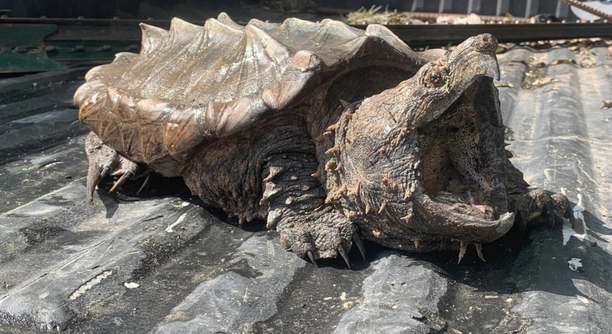
Excess algae in an alligator snapping turtle tank can be frustrating. Algae growth is common in aquatic environments, but when it gets out of control, it can harm both the tank’s aesthetics and the health of your turtle.
To address excessive algae, several practical solutions can help maintain a cleaner environment. Reducing light exposure, improving filtration, and adjusting water conditions are key factors in controlling algae growth. Regular tank maintenance also plays an essential role in minimizing algae buildup.
With these steps in mind, you’ll be able to create a healthier and more enjoyable space for your turtle. Keep reading to find out how you can restore balance to your aquatic setup.
Limit Light Exposure
Excessive light is one of the main factors contributing to algae growth in your alligator snapping turtle’s tank. Algae thrives under continuous exposure to light, especially fluorescent lights that many aquariums use. By limiting the amount of light your tank receives each day, you can prevent algae from overtaking the environment. Keeping the tank in a well-lit area, but not too bright, and using a timer to limit light exposure to 8-10 hours a day will help control algae growth.
Try reducing light to around 8 hours daily. This simple step can go a long way in controlling algae buildup.
By controlling the light source, you’re not only reducing algae growth but also creating a more natural habitat for your turtle. Your alligator snapping turtle doesn’t need constant light, and less light will encourage a healthier balance in the tank. Avoid direct sunlight, as it can cause water temperature fluctuations and promote algae.
Improve Filtration System
A good filtration system can make a significant difference in reducing algae growth. Over time, uneaten food, waste, and other organic materials break down and contribute to excess nutrients in the water. These nutrients fuel algae growth, so it’s important to have an efficient filtration system that removes debris and keeps the water clean.
Investing in a high-quality filter that is appropriate for the size of your tank is essential. It ensures that the water remains clean and clear while also maintaining the proper balance of beneficial bacteria.
Proper filtration helps to maintain the water’s chemical balance, which is crucial in preventing algae blooms. By choosing the right filter, you not only reduce the chances of algae, but you also create a better environment for your turtle. Filters with multiple stages of filtration (mechanical, biological, and chemical) are most effective in keeping the water pristine.
Regular Water Changes
Changing the water in your tank is essential for reducing algae growth. Over time, water becomes filled with nutrients from waste, uneaten food, and other organic matter. These nutrients feed algae, causing it to grow rapidly.
Aim for a partial water change of 25-30% every two weeks. This helps remove accumulated nutrients and reduces algae growth. Be sure to use water that is the same temperature as the tank to avoid stress on your turtle. Regular water changes also help maintain water quality, which is important for the health of your turtle.
In addition to water changes, make sure to clean the tank thoroughly. Scrub surfaces that accumulate algae, and clean the substrate to remove any waste or leftover food. By regularly refreshing the tank, you reduce the nutrients available for algae to thrive, keeping the environment cleaner and healthier for your turtle.
Use Algae-Eating Species
Introducing algae-eating species to your tank is a natural way to control algae growth. Snails, shrimp, or fish like plecos or ottos can help keep algae in check by eating it.
These species can significantly reduce algae buildup by consuming it regularly. It’s important to choose species that are compatible with your alligator snapping turtle and won’t become prey. Be sure to research the specific needs of any algae-eating species before introducing them to the tank.
Algae-eating species are an easy and efficient way to manage algae, and they don’t require much extra care. However, they shouldn’t be the only solution. It’s important to continue other maintenance practices, like water changes and proper lighting, to ensure long-term success in controlling algae.
Adjust Water Temperature
Keeping the water temperature within the proper range can help reduce algae growth. Algae tends to thrive in warmer waters, so adjusting the temperature can slow down its growth.
Aim for a water temperature between 70°F and 80°F (21°C – 27°C). This temperature range is ideal for your alligator snapping turtle, and slightly lower temperatures can help prevent algae from multiplying too quickly.
Maintaining the right temperature also supports your turtle’s overall health. If the tank gets too warm, not only will algae flourish, but it can stress your turtle as well. Keeping the water at a steady temperature will help control both issues.
Use a UV Sterilizer
A UV sterilizer is a great tool to help control algae in your tank. This device works by using ultraviolet light to kill algae spores floating in the water.
UV sterilizers help clear up green water caused by algae blooms. It targets free-floating algae without harming your turtle or other tank inhabitants. However, UV sterilizers should be used in combination with other algae control methods for the best results.
The right UV sterilizer for your tank size can effectively reduce algae growth and improve water clarity. It’s a convenient solution that works passively to keep the tank clean. However, it’s not a substitute for regular tank maintenance and proper water changes.
FAQ
Why does algae grow so quickly in my alligator snapping turtle tank?
Algae thrives in tanks where there’s an excess of nutrients, usually from uneaten food, waste, and organic matter. Algae grows quickly when there’s too much light exposure and insufficient filtration. The combination of these factors creates an ideal environment for algae to flourish, affecting the tank’s water quality and overall appearance.
Can I completely get rid of algae in my alligator snapping turtle tank?
Completely eliminating algae from a tank is difficult, but you can control its growth. Regular water changes, improved filtration, reducing light exposure, and introducing algae-eating species are the best methods for keeping algae under control. Small amounts of algae can actually be beneficial for your turtle, providing a natural food source.
Are there specific algae-eating species I can add to my tank?
Yes, you can add species like snails, shrimp, or certain types of fish that naturally consume algae. Fish such as plecos or otocinclus are often used to help control algae in aquariums. Ensure these species are compatible with your alligator snapping turtle to prevent any issues.
How often should I clean my alligator snapping turtle tank?
Cleaning your tank thoroughly should be done at least once every two weeks. Regular cleaning includes removing debris, scrubbing surfaces where algae might grow, and changing 25-30% of the water. This helps maintain a healthy tank environment for your turtle and prevents algae from taking over.
Does the water temperature affect algae growth in my tank?
Yes, water temperature plays a role in controlling algae. Warmer water tends to encourage algae growth, so keeping the water temperature within the ideal range for your turtle (70°F to 80°F) can help slow down algae growth. Colder water can also hinder algae’s ability to thrive.
How do I know if my filtration system is working well enough?
If your tank water is cloudy or algae is building up quickly, it might be time to check your filtration system. Ensure the filter is powerful enough for the size of your tank and that it is properly maintained. Clean or replace the filter media as needed to keep the water flowing and clear.
Should I use chemicals to control algae in my tank?
Using chemicals to control algae can be effective but should be a last resort. Chemicals may harm your turtle or other inhabitants in the tank if not used properly. It’s best to focus on natural methods, like adjusting light, temperature, and adding algae-eating species.
How can I prevent algae from growing on my tank glass?
Algae often grows on tank glass due to excess light and nutrient buildup. To prevent this, reduce light exposure, maintain water quality through regular changes, and scrub the glass during routine tank cleanings. You can also use algae-cleaning pads designed for aquarium glass to remove any buildup.
Can algae affect my turtle’s health?
While algae itself isn’t harmful to your alligator snapping turtle, excessive algae can impact the overall tank environment. Poor water quality due to excess algae can stress your turtle, leading to health issues like skin infections or respiratory problems. Maintaining a balanced ecosystem is key.
How do I handle green water caused by algae blooms?
Green water is a common issue caused by algae blooms. A UV sterilizer can be helpful in clearing up green water. It uses ultraviolet light to kill free-floating algae without harming your turtle. Along with the sterilizer, regular water changes and improving filtration will help clear up the tank.
Is it safe to remove algae manually?
Yes, it is safe to remove algae manually by scrubbing surfaces and cleaning the tank. Use a soft brush or sponge to avoid scratching the glass or other surfaces. Removing algae manually should be part of your regular tank maintenance to prevent buildup.
Can I add plants to my alligator snapping turtle tank to help with algae?
Yes, adding live plants to your tank can help reduce algae growth. Plants absorb excess nutrients from the water, which algae feeds on. Plants also help oxygenate the water, benefiting your turtle. Just be sure the plants are safe for your alligator snapping turtle and can withstand the environment.
How do I prevent algae from growing on the tank’s substrate?
Algae can grow on the substrate, especially in areas with excess nutrients or light. Regularly vacuuming the substrate during water changes helps remove excess food and waste, reducing the nutrients that algae feed on. Ensure the substrate is clean and not too thick to avoid creating a habitat for algae.
Do algae-eating fish require special care?
Algae-eating fish, like plecos or otocinclus, don’t require special care but should be properly matched with your alligator snapping turtle. Make sure these fish can live in the same conditions and that they won’t become a meal for your turtle. They also need enough hiding spots to feel safe.
Will reducing the amount of food I feed my turtle help with algae?
Yes, reducing the amount of uneaten food in the tank can help with algae control. Leftover food breaks down and adds nutrients to the water, which algae thrives on. Only feed your turtle what it can eat in a few minutes, and remove any excess food promptly.
How long will it take to see results after making these changes?
You should begin to notice a reduction in algae growth within a week or two after making changes. Regular maintenance, such as water changes and adjusting light, will continue to improve the tank environment over time. Keep monitoring the tank to ensure the algae remains under control.
Final Thoughts
Managing algae in your alligator snapping turtle tank doesn’t have to be a constant battle. By implementing simple strategies like adjusting the water temperature, maintaining a proper filtration system, and controlling light exposure, you can keep algae growth in check. Regular cleaning and water changes are essential in ensuring a healthy environment for your turtle. These steps not only help reduce algae but also maintain the overall water quality, benefiting both the tank’s appearance and the well-being of your turtle.
Adding algae-eating species to your tank, such as snails or certain types of fish, can also help control algae without additional effort. These creatures naturally consume algae, preventing it from building up too quickly. However, it’s important to choose species that are compatible with your alligator snapping turtle, ensuring they don’t become a snack. UV sterilizers can also be effective, especially when dealing with green water caused by algae blooms. These sterilizers kill floating algae without harming the turtle or other tank inhabitants.
Ultimately, maintaining a balanced ecosystem is key to keeping your tank algae-free. Consistent care, proper feeding habits, and regular maintenance will help you achieve the best results. By following these simple fixes and staying proactive, you can create a cleaner, healthier tank for your alligator snapping turtle. While some algae may still appear, it will be manageable with the right approach. Taking these steps will not only improve the appearance of your tank but also ensure your turtle remains healthy and happy in its environment.

Hello,
If you enjoy the content that we create, please consider saying a "Thank You!" by leaving a tip.
Every little bit helps us continue crafting quality advice that supports the health, happiness, and well-being of pets around the world, for pets of all shapes, sizes, and species.
We really appreciate the kindness and support that you show us!