
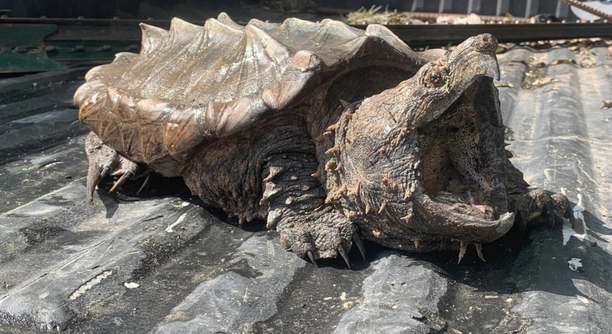
Alligator snapping turtles can face various challenges in their environment, often resulting in signs of distress. Recognizing these signs is the first step to improving their well-being and ensuring a healthy habitat.
One of the main reasons for an unhappy alligator snapping turtle is improper tank conditions. Issues such as poor water quality, incorrect temperature, or inadequate basking spots can significantly affect their mood and health.
Addressing these factors can provide long-term improvements for your turtle’s health and happiness. Understanding the proper care methods will help you create a better environment for your alligator snapping turtle.
Tank Conditions and Water Quality
Improper tank conditions are a major reason for an unhappy alligator snapping turtle. These turtles require clean water with a proper filtration system to prevent the buildup of harmful toxins. Without the right environment, they can develop skin issues, respiratory problems, or become stressed. Regular water changes are essential, and the water temperature should stay between 72-78°F for optimal comfort. Low water quality can cause long-term health issues, making it important to monitor ammonia, nitrate, and nitrite levels.
Tank size is also crucial for their health. A too-small tank can stress the turtle, leading to lethargy or poor appetite. Ensure your turtle has plenty of space to move around, with a large area for swimming. It’s essential to have both aquatic space and a dry basking area.
By maintaining clean water, a proper filter, and monitoring the tank size, you can create a healthier environment for your turtle. These measures will reduce stress and improve overall health, contributing to a happier, more active snapping turtle.
Basking Area and Temperature
A good basking area is necessary for your alligator snapping turtle.
Turtles rely on basking to regulate their body temperature and maintain their health. If they don’t have a proper place to dry off, they may become stressed or sick. The basking area should be warm enough to allow them to regulate their body temperature effectively, with the basking spot reaching around 85°F. This warmth helps with digestion and strengthens their immune system. Without a proper basking area, turtles can suffer from poor metabolism and weakened immune functions.
A combination of adequate UVB lighting and heat lamps will mimic the sun’s natural effects, helping your turtle to thrive. Make sure the lighting is not too close, as excessive heat can lead to overheating. Proper positioning of lamps and lights ensures your turtle can bask comfortably.
By adjusting these elements, your alligator snapping turtle will feel at ease and more energetic. It’s a simple fix that can make a significant difference in your turtle’s behavior and overall health.
Diet and Nutrition
Alligator snapping turtles need a varied diet, consisting of protein, vitamins, and minerals to stay healthy. Offering them a mix of live food, such as fish, worms, and small crustaceans, ensures they get the nutrition they need. Avoid feeding them processed or artificial food, as it doesn’t provide sufficient nutrients.
Feeding them too much can lead to obesity, which can affect their mobility and health. It’s essential to monitor how much food they consume and adjust their portions accordingly. Ensure they have access to fresh water at all times to help with digestion.
Variety is key to keeping them satisfied and healthy. In addition to animal protein, including some leafy greens or fruits occasionally can provide extra vitamins. The right balance of nutrients promotes shell growth, energy, and overall health for your turtle.
Enrichment and Mental Stimulation
Mental stimulation is essential for alligator snapping turtles. Without enough environmental enrichment, they can become stressed or even aggressive.
Providing hiding spots or natural structures, like rocks or driftwood, gives them opportunities to explore and feel secure. This reduces boredom, as turtles enjoy navigating their environment. A well-set-up tank mimics their natural habitat, encouraging physical and mental activity.
Including floating platforms or areas with different water depths can stimulate their hunting instincts, which helps keep them engaged. Turtles that aren’t mentally stimulated may show signs of stress, like pacing or aggression.
Health Monitoring
Regularly checking your alligator snapping turtle’s health is crucial for catching problems early. Look for any signs of skin irritation, difficulty swimming, or changes in appetite.
If your turtle is lethargic, has swollen eyes, or shows other unusual symptoms, it’s time for a vet visit. Early detection can prevent further issues.
Routine check-ups will also help monitor shell growth and overall well-being. Keeping track of these details ensures your turtle’s health stays on track. Regular monitoring can make a big difference in catching problems before they become serious.
Tank Cleanliness
A clean tank is vital for your turtle’s health.
Regularly change the water, clean the tank, and remove debris to prevent the buildup of harmful bacteria. Keeping the water clean prevents infections and improves the overall quality of the environment.
A clean tank provides a healthier habitat, reducing the risk of illness. Regular maintenance is simple but essential to ensure your alligator snapping turtle thrives.
FAQ
How often should I feed my alligator snapping turtle?
You should feed your alligator snapping turtle every 2-3 days, adjusting the frequency based on their age and size. Young turtles require more frequent feedings, while adults can go longer between meals. It’s essential to monitor their weight and behavior to ensure they are getting enough food but not overfed.
Can I keep an alligator snapping turtle with other animals?
Alligator snapping turtles are solitary creatures and can be aggressive, especially during feeding time. It’s best to house them alone to avoid conflicts. If you choose to keep them with other animals, make sure the tank is large enough to provide separate territories and avoid stress.
What is the ideal tank size for an alligator snapping turtle?
A single adult alligator snapping turtle requires a minimum of a 100-gallon tank, with more space being better. The tank should provide both swimming areas and a dry basking platform. The larger the tank, the more comfortable the turtle will feel, reducing stress and allowing for better movement.
What water temperature is best for an alligator snapping turtle?
The ideal water temperature for alligator snapping turtles is between 72°F and 78°F (22°C – 26°C). Water that is too cold can cause your turtle to become sluggish and inactive, while water that is too hot may stress them. Keep the water temperature stable for the best results.
How can I tell if my alligator snapping turtle is sick?
Signs of illness in alligator snapping turtles can include lethargy, loss of appetite, swelling, abnormal swimming behavior, or a noticeable change in the appearance of the shell or skin. If you notice any of these symptoms, it’s best to consult with a veterinarian who specializes in reptiles for advice.
How can I clean my alligator snapping turtle’s tank properly?
To clean the tank, remove the turtle and scrub all surfaces with a non-toxic cleaner. Change 25-50% of the water every week to maintain water quality. You should also regularly clean the filter to ensure it is working effectively. Regular cleaning prevents harmful bacteria from building up.
What should I do if my alligator snapping turtle isn’t eating?
If your alligator snapping turtle isn’t eating, check the water quality and temperature. Turtles may stop eating if the environment is too dirty or not at the right temperature. Stress from handling or tank mates can also cause them to refuse food. If the problem persists, consider consulting a vet.
Can alligator snapping turtles live outside?
Yes, alligator snapping turtles can live outside, but the enclosure must be secure. A pond or outdoor enclosure should have adequate depth for swimming, access to basking areas, and a safe environment from predators. The outdoor conditions should also provide stable temperatures and clean water.
Are alligator snapping turtles good pets for beginners?
Alligator snapping turtles are not ideal pets for beginners. They have specific care requirements, such as a large tank, proper water filtration, and temperature regulation. They also require a lot of attention to their diet and health. Experienced turtle owners or those willing to learn about their care make better candidates.
How do I set up a basking area for my alligator snapping turtle?
The basking area should be dry and slightly elevated above the waterline. Use a flat rock, floating platform, or even driftwood to provide a space for your turtle to climb out of the water. The basking area should be heated with a UVB light to ensure your turtle can regulate its body temperature.
Can I handle my alligator snapping turtle?
Alligator snapping turtles do not generally enjoy being handled. They can become stressed, and handling may lead to defensive behavior. If you need to move them, do so carefully and only when necessary. Minimize handling to maintain their well-being and reduce stress.
How long do alligator snapping turtles live?
Alligator snapping turtles have a long lifespan, typically living 30-50 years in captivity if properly cared for. They can even live longer with the right environmental conditions and diet. Their longevity makes them a long-term commitment, so be prepared to care for them for many years.
What do alligator snapping turtles eat in the wild?
In the wild, alligator snapping turtles are opportunistic feeders, eating fish, amphibians, crustaceans, and small birds. They use their worm-like tongue to lure prey close enough to grab. A varied diet of protein sources is essential to keep them healthy in captivity as well.
Can I feed my alligator snapping turtle vegetables?
While alligator snapping turtles primarily eat protein-based foods, you can occasionally offer them leafy greens or fruits, such as lettuce or strawberries. These should be offered sparingly, as too many vegetables can interfere with their nutritional needs. Focus on protein-rich food for optimal health.
What type of water filter should I use for my alligator snapping turtle tank?
A high-quality canister filter is recommended for alligator snapping turtles. These filters provide powerful water circulation and filtration to handle the waste produced by the turtle. It’s important to use a filter that can process at least twice the tank’s volume of water per hour.
How can I prevent my alligator snapping turtle from escaping?
To prevent your alligator snapping turtle from escaping, make sure the tank or enclosure is securely covered with a lid. These turtles are strong swimmers and can climb or push through weak enclosures. Ensure all areas are properly sealed to keep your turtle safe.
What should I do if my alligator snapping turtle bites me?
If your alligator snapping turtle bites you, remain calm. Their bite can be painful but is rarely dangerous. Avoid pulling away quickly, as this can cause injury. Instead, gently remove your hand from their mouth and clean any wounds with antiseptic.
Final Thoughts
Caring for an alligator snapping turtle requires attention to detail and consistency. These turtles have specific needs in terms of their habitat, diet, and health. By providing a clean and spacious environment, along with a balanced diet, you can help ensure their long-term well-being. Regular tank maintenance, proper temperature control, and keeping an eye on their behavior will go a long way in keeping them healthy and happy.
While they may not be the easiest pets for beginners, alligator snapping turtles can thrive in captivity if given the right conditions. It’s essential to understand their behavior and what they need to feel comfortable in their environment. By educating yourself and staying on top of their care, you will not only provide a good life for your turtle but also enjoy the rewarding experience of having such a unique pet. Remember, patience and proper knowledge are key in ensuring their health and happiness.
Taking the time to learn about your alligator snapping turtle’s requirements is essential for any pet owner. Whether you’ve had your turtle for years or are considering getting one, it’s important to know what’s best for their specific needs. By following simple guidelines for feeding, tank care, and health monitoring, you will help your turtle live a long and healthy life. Careful attention to their environment and well-being will ensure that your alligator snapping turtle remains a joyful companion.

Hello,
If you enjoy the content that we create, please consider saying a "Thank You!" by leaving a tip.
Every little bit helps us continue crafting quality advice that supports the health, happiness, and well-being of pets around the world, for pets of all shapes, sizes, and species.
We really appreciate the kindness and support that you show us!