
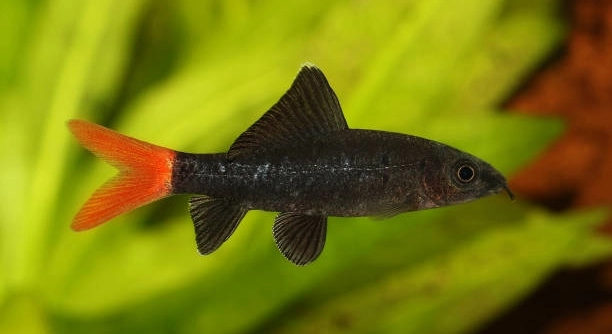
Many aquarium owners enjoy keeping rainbow sharks for their bright colors and active nature. However, some rainbow sharks can be shy and hide most of the time. This article will help you understand and improve their behavior in simple ways.
Shy behavior in rainbow sharks often results from stress, lack of hiding spots, or improper tank conditions. Ensuring a calm environment, providing plenty of cover, and maintaining water quality are key steps to encourage confidence and activity.
Improving your rainbow shark’s comfort will help it feel safer and more visible. These easy fixes can make a big difference in your fish’s daily life.
Create Plenty of Hiding Spots
Rainbow sharks feel safer when they have places to hide. Rocks, plants, and decorations create spaces where they can retreat when feeling nervous. Without enough cover, these fish often stay hidden and avoid swimming freely. Adding caves or dense plant clusters helps them relax and explore more confidently. It is best to arrange these hiding spots around the tank, so your rainbow shark always has a secure option nearby. This setup reduces stress and encourages natural behavior, making the fish less shy over time. Make sure the hiding places are easy to access and not overcrowded, so the fish don’t feel trapped. Regularly check these areas to keep them clean and safe from sharp edges or debris. By providing enough shelter, you help your rainbow shark build trust in its environment and become more active and visible to you.
Hiding spots not only protect rainbow sharks but also support their well-being. A secure environment helps reduce stress and shy behavior, encouraging healthier activity.
When your rainbow shark has places to hide, it can choose when to come out and explore. This balance between safety and freedom makes a noticeable difference in their comfort level. Over time, you may see your fish swimming more confidently and interacting with other tank mates. This simple step sets the foundation for addressing other needs that affect shyness.
Maintain Proper Water Conditions
Water quality directly impacts your rainbow shark’s health and behavior. Clean water with stable temperature and proper pH levels creates a comfortable habitat. Frequent water changes remove harmful toxins and prevent sudden changes that cause stress. Test your water regularly to keep parameters within the recommended range for rainbow sharks, typically between 72-79°F and a pH of 6.5-7.5. Avoid overcrowding and overfeeding, as these can deteriorate water quality quickly. A well-maintained filter also helps keep the tank clean and oxygen-rich. When water conditions are stable, your fish will feel secure and less likely to hide. Stress from poor water quality often makes rainbow sharks shy and inactive. Paying close attention to these details ensures your fish remains healthy, active, and visible in the tank. This is a crucial step in solving shy behavior effectively.
Provide a Balanced Diet
A balanced diet keeps rainbow sharks healthy and less stressed. Feed them a mix of pellets, flakes, and occasional live or frozen foods. Avoid overfeeding to prevent water quality issues.
Rainbow sharks need protein-rich foods like bloodworms or brine shrimp. Vegetables such as zucchini or peas can be added occasionally to support digestion. Feeding small amounts two to three times daily helps maintain energy without polluting the tank. Consistent feeding schedules also create a routine that makes the fish feel secure. When rainbow sharks get the right nutrition, their behavior improves, and shyness decreases.
Quality food helps boost their immune system, making them more active and less likely to hide. Avoid sudden changes in diet, which can cause stress and refusal to eat. Observing your fish’s eating habits will give clues about their health and mood. Providing varied and appropriate food is an easy way to promote confidence and vibrancy.
Limit Tank Mates
Too many or aggressive tank mates increase stress for rainbow sharks. Keeping peaceful fish in moderate numbers reduces hiding and fear.
Rainbow sharks prefer tanks with calm species that don’t compete aggressively for space or food. Avoid overly active or territorial fish that chase or nip at them. Overcrowding can cause poor water conditions and stress, leading to shy behavior. Giving your rainbow shark enough room to swim freely helps build confidence. Observing interactions and removing problematic tank mates improves the overall environment. A peaceful community tank supports a healthier and more visible rainbow shark.
Keep Lighting Moderate
Bright lighting can stress shy rainbow sharks, causing them to hide more often. Using moderate lighting creates a calm atmosphere for the fish.
Dimmer or adjustable lights help mimic natural conditions and make the tank less intimidating. This encourages your rainbow shark to swim openly and reduces fear of sudden brightness.
Maintain Consistent Routine
Rainbow sharks respond well to a predictable environment. Feeding and cleaning at regular times reduces stress and builds trust in their surroundings.
A steady routine helps your fish feel safe and more confident, gradually encouraging them to explore and interact within the tank.
Avoid Sudden Changes
Rainbow sharks are sensitive to abrupt shifts in their environment. Sudden changes in water, temperature, or tank setup increase stress and promote hiding.
Keeping conditions stable helps your fish feel secure and supports consistent, calm behavior.
FAQ
Why is my rainbow shark so shy?
Rainbow sharks are naturally cautious fish. Shyness often comes from stress caused by poor water conditions, lack of hiding places, or aggressive tank mates. Changes in environment or lighting can also make them retreat. Ensuring a calm, safe, and clean tank will help reduce their shy behavior over time.
How can I make my rainbow shark more active?
Providing plenty of hiding spots and keeping the water clean are key. Feeding a balanced diet and maintaining stable tank conditions encourage activity. Also, avoid overcrowding the tank with aggressive or overly active fish, as this stresses your rainbow shark and limits its movement.
What kind of tank mates work best with a rainbow shark?
Peaceful, non-aggressive fish that live in different areas of the tank are best. Avoid territorial or fin-nipping species. Good companions include tetras, danios, and corydoras. These fish won’t compete too much or cause stress, helping your rainbow shark feel safe and less shy.
How often should I feed my rainbow shark?
Feed your rainbow shark small amounts two to three times daily. Overfeeding leads to water pollution and health problems, which increase stress. A mix of pellets, flakes, and occasional live or frozen foods works well to keep their diet balanced and nutritious.
Can poor water quality make my rainbow shark hide?
Yes. Poor water quality causes stress and illness, which often leads rainbow sharks to hide. Regular water changes, proper filtration, and testing water parameters keep the tank healthy. Stable temperature and pH levels also support your fish’s well-being and encourage visible, natural behavior.
Is it normal for rainbow sharks to hide a lot?
While they may hide sometimes, excessive hiding usually signals stress or discomfort. It can be caused by bullying, poor water conditions, or lack of shelter. Providing a secure environment and meeting their needs helps them become more confident and active in the tank.
How can lighting affect my rainbow shark’s behavior?
Bright or sudden lighting can scare rainbow sharks and make them hide. Using moderate, adjustable lighting that mimics their natural habitat helps them feel safe. Avoid placing the tank in direct sunlight or near fluctuating light sources to reduce stress.
What should I do if my rainbow shark is still shy after changes?
Be patient and consistent. Sometimes it takes days or weeks for a rainbow shark to adjust. Check tank conditions regularly, avoid sudden changes, and monitor interactions with other fish. If the behavior continues, consult a specialist to rule out illness or other issues.
Can rearranging the tank stress my rainbow shark?
Yes, sudden rearrangements can cause stress and increase hiding. Make changes slowly and give your fish time to adapt. Keeping a familiar environment helps your rainbow shark feel secure and less shy.
Are there any signs of illness that make rainbow sharks hide?
Yes. Signs include lethargy, loss of appetite, unusual spots or discoloration, and labored breathing. Illness weakens your fish and often causes it to hide more. Regular water testing and good tank maintenance help prevent disease and keep your rainbow shark healthy.
How large should the tank be for a rainbow shark?
A minimum of 30 gallons is recommended for one rainbow shark. Larger tanks give more swimming space and reduce stress. Crowded or small tanks lead to poor water quality and increased hiding behavior due to limited space and aggression.
Is it okay to keep multiple rainbow sharks together?
Rainbow sharks can be territorial, especially in small tanks. Keeping more than one requires a large tank with plenty of hiding spots. Otherwise, they may become aggressive or stressed, increasing shyness and hiding.
What temperature is best for rainbow sharks?
Maintain water between 72°F and 79°F. Stable temperatures prevent stress and support healthy behavior. Sudden drops or spikes in temperature can make your rainbow shark shy and inactive.
Does the size of decorations affect shyness?
Yes. Decorations should provide shelter without overcrowding the tank. Too many or too large objects can limit swimming space and cause stress. Balanced decoration placement allows your rainbow shark to explore and hide as needed.
How often should I clean the tank to keep my rainbow shark comfortable?
Perform partial water changes weekly or biweekly, depending on tank size and stocking levels. Regular cleaning removes waste and harmful substances that cause stress. Avoid deep cleaning all at once, as sudden changes can frighten your fish.
Can I use plants to help my shy rainbow shark?
Yes. Live or artificial plants offer hiding spots and reduce stress. Plants also improve water quality by absorbing nitrates. Dense planting helps your fish feel safe and more willing to swim in the open areas of the tank.
Taking care of a shy rainbow shark requires patience and attention to its needs. These fish are sensitive to their surroundings and can feel stressed if their environment is not right. By creating a safe space with hiding spots, maintaining good water quality, and providing a balanced diet, you can help your rainbow shark feel more comfortable. When a fish feels secure, it is more likely to come out and show its bright colors and active nature. Understanding these basic needs is the first step to reducing shyness in your fish.
Consistency is important for rainbow sharks. They do best in tanks with steady routines, such as regular feeding times and gentle cleaning schedules. Sudden changes in water temperature, lighting, or tank setup can cause your fish to hide more. Keeping the environment calm and predictable helps build trust over time. It may take a few weeks for your rainbow shark to adjust, so patience is key. Watching how your fish behaves day by day will give you clues about what works best and what still needs improvement.
Lastly, choosing the right tank mates and avoiding overcrowding makes a big difference. Peaceful fish that do not compete for territory or food help your rainbow shark feel less threatened. Large tanks with enough room to swim and explore reduce stress and encourage activity. Every small change you make can improve your fish’s confidence and well-being. Taking these steps ensures your rainbow shark lives a healthier, happier life, making your aquarium a more enjoyable place for both you and your fish.

Hello,
If you enjoy the content that we create, please consider saying a "Thank You!" by leaving a tip.
Every little bit helps us continue crafting quality advice that supports the health, happiness, and well-being of pets around the world, for pets of all shapes, sizes, and species.
We really appreciate the kindness and support that you show us!