
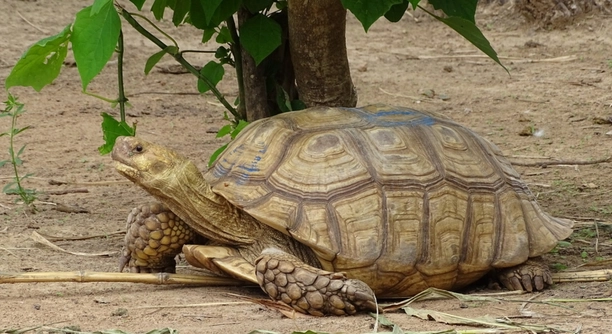
Is your sulcata tortoise acting shy or nervous, hiding away instead of exploring its environment? This behavior can be concerning, especially if it avoids interaction or seems hesitant to eat. Understanding the reasons behind its behavior can help you address the issue.
A sulcata tortoise may be shy or nervous due to stress, improper habitat conditions, or lack of socialization. Providing a secure enclosure, maintaining proper temperatures, and handling it gently can help build trust and encourage more active behavior over time.
Creating a comfortable space and building trust with your tortoise will make a noticeable difference. With small adjustments, you can help it feel more at ease and confident in its surroundings.
Create a Safe and Comfortable Habitat
A shy or nervous sulcata tortoise may be reacting to its environment. Ensure its enclosure is spacious, well-ventilated, and includes hiding spots for security. Use a substrate like coconut coir or cypress mulch to provide a natural feel. Maintain temperatures between 75–85°F with a basking area around 100°F. Proper lighting, including UVB exposure, is essential for its well-being. Avoid loud noises or frequent disturbances near the enclosure. A stable, stress-free environment helps your tortoise feel more relaxed and confident. Small adjustments to its habitat can encourage more natural behaviors and reduce nervousness over time.
A tortoise that feels safe in its environment is more likely to explore and interact. If its enclosure lacks essential elements, it may retreat into its shell more often. Creating a suitable setup makes a significant difference in its overall comfort.
Ensure your tortoise has access to fresh water and a balanced diet. Hydration plays a key role in its overall health, and a varied diet with leafy greens, hay, and occasional vegetables supports energy levels. Proper nutrition helps prevent stress-related behaviors. Over time, a consistent routine and a secure space will encourage your tortoise to come out of its shell—both literally and figuratively.
Gradually Introduce Handling
For a nervous sulcata tortoise, sudden handling can cause stress. Start by allowing it to observe you from a distance before slowly moving closer. Speak softly and avoid quick movements that could startle it.
Once your tortoise becomes familiar with your presence, try offering food by hand. This builds trust and helps it associate you with positive experiences. When it appears comfortable, gently pick it up by supporting its shell from underneath. Limit handling sessions to short periods at first, gradually increasing the duration as your tortoise becomes more relaxed. Never grab it from above, as this can trigger a defensive response.
Tortoises need time to adjust to human interaction. Some may take weeks, while others may require months to feel completely comfortable. Patience and consistency are essential in building a trusting relationship. Always handle your tortoise with care, ensuring it feels secure. With steady progress, it will begin to recognize you as a familiar presence and feel more at ease when interacting.
Establish a Consistent Routine
A predictable routine helps a sulcata tortoise feel secure. Feed it at the same times daily, maintain a steady light cycle, and keep handling sessions consistent. Stability reduces stress and allows your tortoise to recognize patterns, making it feel more at ease in its environment.
Daily interaction, even if brief, reinforces familiarity. Gently place food near your tortoise to encourage positive associations with your presence. Keep its habitat clean and organized, ensuring water and food are always accessible. If your tortoise appears hesitant, allow it to observe from a distance before attempting closer interaction. Over time, consistency builds trust.
Limiting sudden changes in temperature, diet, or enclosure layout prevents unnecessary stress. If adjustments are needed, introduce them gradually to allow your tortoise time to adapt. Keeping a steady routine will help it gain confidence, making it more likely to explore and engage with its surroundings.
Provide Mental and Physical Stimulation
A bored tortoise may become withdrawn. Placing objects like rocks, logs, or edible plants in its enclosure encourages movement and exploration. Rearranging items occasionally introduces novelty without causing overwhelming change. Stimulating its environment keeps it engaged and helps reduce shy or nervous behaviors.
Regular outdoor time in a secure, supervised area exposes your tortoise to natural sunlight, fresh air, and new textures. This helps it develop confidence while meeting its physical and dietary needs. Ensure the outdoor space is predator-proof and free of hazards. Allowing natural grazing can also provide enrichment.
Interactive feeding, like hiding food under leaves or using a shallow tray for foraging, promotes activity. Offering occasional treats by hand strengthens positive reinforcement. A stimulated tortoise is more likely to be curious and alert, gradually becoming more comfortable with its surroundings and human interaction.
Minimize Stressful Situations
Loud noises, sudden movements, and frequent disturbances can make a sulcata tortoise feel unsafe. Place its enclosure in a quiet area away from heavy foot traffic, pets, or loud electronics. A calm environment helps reduce stress and encourages natural, confident behavior over time.
Avoid excessive handling, especially if your tortoise shows signs of discomfort, like pulling into its shell or refusing to move. Let it adjust at its own pace. Keeping interactions gentle and predictable allows it to feel more secure and eventually become more comfortable with human presence.
Offer a Balanced Diet
A proper diet supports overall health and helps reduce stress-related behaviors. Feed a mix of high-fiber foods like grass, hay, and leafy greens, avoiding excessive fruits or protein. A well-fed tortoise is more active, alert, and less likely to remain withdrawn or hesitant in its environment.
Be Patient and Observant
Every tortoise adjusts at its own pace. Some may take weeks, while others need months to become fully comfortable. Observing behavior changes and responding accordingly ensures progress. Small, consistent efforts will help build trust and encourage a more confident, relaxed tortoise over time.
FAQ
Why is my sulcata tortoise always hiding?
Sulcata tortoises hide when they feel unsafe or stressed. Loud noises, frequent disturbances, or changes in their environment can make them retreat into their burrows or shells. If your tortoise hides constantly, ensure its habitat is quiet, stable, and has plenty of hiding spots to help it feel secure.
How long does it take for a shy tortoise to warm up?
Every tortoise is different. Some may take a few weeks to become comfortable, while others need months. Consistent routines, gentle interactions, and a stress-free environment help speed up the process. The key is patience and allowing your tortoise to gain confidence at its own pace.
Should I handle my tortoise if it seems nervous?
If your tortoise is shy, avoid excessive handling. Instead, let it get used to your presence by sitting nearby or offering food by hand. Over time, it will associate you with positive experiences. Gradual, gentle interactions will help it feel more comfortable being handled.
What can I do to make my tortoise feel safer?
Providing a stable, quiet habitat with plenty of hiding spots is essential. Avoid sudden changes in temperature, lighting, or enclosure layout. Keeping handling to a minimum and ensuring a consistent routine will help your tortoise feel secure and encourage more confident behavior.
Does a sulcata tortoise recognize its owner?
Sulcata tortoises can recognize their owners over time. They may associate you with food and care, showing subtle signs of recognition by approaching you or becoming more active when you’re nearby. Regular, gentle interactions help build familiarity and trust.
Can stress make my tortoise sick?
Yes, prolonged stress can weaken a tortoise’s immune system, making it more prone to respiratory infections, digestive issues, and loss of appetite. Keeping its environment stable, providing a proper diet, and minimizing disturbances will help maintain its health and well-being.
How can I tell if my tortoise is scared?
A scared tortoise may pull into its shell, stop eating, or remain inactive for long periods. It may also breathe heavily or avoid contact. If your tortoise shows these signs, give it space and make adjustments to its environment to reduce stress.
Is it normal for a tortoise to be shy at first?
Yes, it’s common for sulcata tortoises to be shy, especially in new environments. They need time to adjust and feel safe. With a stable routine, proper care, and patience, most tortoises become more comfortable and confident over time.
What if my tortoise stays nervous despite my efforts?
If your tortoise remains nervous despite a calm environment and consistent care, reassess its habitat. Check for loud noises, temperature fluctuations, or improper diet. If nothing seems wrong and the behavior persists, consult a reptile veterinarian for further guidance.
Final Thoughts
Helping a shy or nervous sulcata tortoise become more confident takes time, patience, and consistency. A secure habitat, gentle interactions, and a stable routine play key roles in reducing stress and encouraging natural behaviors. If your tortoise seems withdrawn, focus on creating an environment that feels safe and predictable. Avoid frequent changes, loud noises, or excessive handling, as these can make your tortoise even more hesitant. Every tortoise adjusts at its own pace, so it’s important to respect its comfort level while providing the right care. Small improvements over time will help build trust and encourage your tortoise to feel more relaxed in its surroundings.
Observing your tortoise’s behavior is essential to understanding what makes it feel secure or anxious. If it hides frequently, avoids food, or remains inactive, take a closer look at possible stressors in its environment. Ensure it has proper lighting, temperature, and space to explore without feeling exposed. A well-balanced diet also contributes to its overall well-being, helping it stay active and alert. If you introduce any changes, do so gradually to prevent unnecessary stress. Simple adjustments, like offering food by hand or sitting near the enclosure, can help your tortoise associate your presence with positive experiences. Over time, this can reduce nervous behaviors and promote a more interactive, confident pet.
Even with the best care, some tortoises may always be more reserved than others. While it’s natural to want a sociable pet, it’s equally important to respect your tortoise’s personality and needs. Building trust doesn’t happen overnight, but by maintaining a calm, steady approach, you can create an environment where your tortoise feels safe and comfortable. Whether it takes weeks or months, the key is to remain patient and observant. With the right balance of care and understanding, your sulcata tortoise can develop a sense of security, allowing it to thrive and enjoy its environment without fear.

Hello,
If you enjoy the content that we create, please consider saying a "Thank You!" by leaving a tip.
Every little bit helps us continue crafting quality advice that supports the health, happiness, and well-being of pets around the world, for pets of all shapes, sizes, and species.
We really appreciate the kindness and support that you show us!