
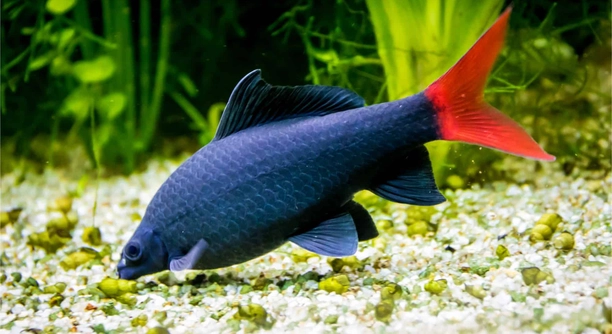
Rainbow sharks are popular aquarium fish known for their sleek bodies and vibrant colors. Many fishkeepers enjoy watching them swim, but these sharks can sometimes become stressed or aggressive. Keeping their tank peaceful requires some simple care steps.
Maintaining a peaceful rainbow shark tank involves proper tank size, hiding spots, balanced diet, consistent water quality, compatible tank mates, regular cleaning, and careful monitoring of behavior. Each factor contributes to reducing stress and aggression in the fish.
These straightforward fixes can help improve your tank’s environment and promote harmony among your aquatic pets. Following them ensures a calmer and healthier home for your rainbow sharks.
Provide Enough Space for Swimming
Rainbow sharks need ample space to swim freely. A tank that is too small will cause stress and increase aggression. Ideally, a tank should be at least 55 gallons for one adult rainbow shark. This size allows them room to explore and establish territories without feeling crowded. When fish are cramped, they become more defensive, which leads to fights and injuries.
Keeping the tank roomy helps reduce stress and aggressive behavior.
In addition to tank size, the shape matters. A long tank offers more horizontal swimming space, which suits rainbow sharks better than tall, narrow tanks. Adding smooth gravel and some open areas lets them swim comfortably. Avoid overcrowding the tank with too many fish or decorations. Regularly check the tank’s layout and make adjustments if your shark seems restless. This simple step improves their quality of life and keeps the tank peaceful.
Create Hiding Spots
Rainbow sharks like to have places to hide when they feel threatened or want to rest. Without hiding spots, they may feel exposed and stressed. Providing caves, plants, or decorations where they can retreat helps them feel secure.
Hiding spots reduce stress and encourage natural behavior.
When choosing hiding places, avoid sharp edges that could harm your fish. Live plants or artificial decorations both work well. Arrange these spots around the tank so your rainbow shark can find refuge in different areas. It’s also good for other fish, creating a more balanced environment. Changing hiding spots occasionally can keep the tank interesting for your fish. This helps them feel calm and reduces aggression, contributing to a more peaceful aquarium overall.
Maintain Consistent Water Quality
Regular testing of water parameters is essential. Rainbow sharks are sensitive to sudden changes in pH, ammonia, and nitrate levels.
Keeping water clean prevents stress and illness. Ammonia and nitrites should always be at zero, with nitrates below 20 ppm. Use a reliable test kit weekly to monitor levels. Perform partial water changes regularly to keep the environment stable. Filter maintenance is also important to ensure proper filtration and circulation. A stable, clean tank helps rainbow sharks stay healthy and less aggressive.
Water temperature should remain between 74°F and 80°F. Sudden temperature shifts can upset your fish’s system. Using a heater with a thermostat keeps the temperature steady. Avoid placing the tank near windows or vents where drafts may occur. Maintaining these water conditions creates a peaceful habitat and supports your rainbow shark’s well-being.
Feed a Balanced Diet
A healthy diet supports good behavior and vibrant colors. Rainbow sharks are omnivores, so their food should include both plant matter and protein.
Offering a variety of foods ensures they get all necessary nutrients. High-quality pellets or flakes designed for bottom feeders are a good base. Supplement their diet with live or frozen foods like bloodworms, brine shrimp, and vegetables such as zucchini or spinach. Feeding small amounts two to three times daily helps prevent overeating and water pollution. Uneaten food should be removed promptly to avoid water quality issues.
A balanced diet keeps your rainbow shark active and reduces aggression caused by hunger or poor nutrition. Changing up food options also prevents boredom, encouraging natural foraging behavior. Monitoring feeding habits allows you to adjust portions and food types as needed, contributing to a more peaceful tank environment.
Choose Compatible Tank Mates
Rainbow sharks can be territorial, so selecting peaceful tank mates is important. Avoid aggressive or fin-nipping fish.
Good companions include species that stay in different tank levels, like tetras or rasboras. This reduces competition and stress for your rainbow shark.
Regular Tank Cleaning
Keeping the tank clean helps maintain healthy water and a peaceful environment. Remove uneaten food and debris often.
A partial water change of 20-30% weekly removes toxins and refreshes the water. Clean the filter monthly but avoid washing it with tap water to preserve beneficial bacteria. Regular cleaning reduces stress and prevents disease, supporting calm behavior in rainbow sharks.
Monitor Behavior
Watch your rainbow shark’s behavior closely for signs of stress or aggression. Changes in activity, color, or appetite can indicate problems.
Promptly addressing these signs can prevent conflicts and health issues in the tank.
What causes rainbow sharks to be aggressive?
Rainbow sharks are naturally territorial, especially as they mature. Limited space in the tank can increase aggression because they feel crowded and need to defend their territory. Stress from poor water quality, sudden changes in the environment, or incompatible tank mates can also cause aggressive behavior. Lack of hiding spots or places to retreat makes them feel exposed and more likely to act out. Ensuring enough space, hiding places, and stable water conditions reduces this behavior.
How large should my tank be for rainbow sharks?
A tank of at least 55 gallons is recommended for one adult rainbow shark. This size allows enough room for swimming and establishing territories. Smaller tanks often lead to stress and fighting. If you plan to keep multiple fish, increasing the tank size proportionally is important. A longer tank is better than a tall one, as it provides more horizontal space that suits their swimming style.
Can rainbow sharks live with other fish?
Yes, but compatibility depends on the species. Choose peaceful fish that swim at different levels of the tank, like tetras or rasboras. Avoid aggressive or fin-nipping fish that might provoke fights. Providing enough hiding spots helps all fish feel secure and reduces territorial disputes. Introducing tank mates gradually while monitoring behavior is a good practice.
What should I feed my rainbow shark?
Rainbow sharks are omnivores and need a balanced diet with protein and plant matter. High-quality pellets or flakes for bottom feeders are a good base. Supplement with live or frozen foods such as bloodworms, brine shrimp, and vegetables like zucchini or spinach. Feed small portions two to three times daily and remove leftover food to maintain water quality.
How often should I clean my rainbow shark tank?
Perform a partial water change of 20-30% every week to remove toxins and refresh the water. Remove uneaten food and debris regularly. Clean the filter monthly but avoid washing it with tap water to protect beneficial bacteria. Regular cleaning helps maintain healthy water conditions, reducing stress and disease risks.
What water conditions do rainbow sharks need?
Maintain water temperature between 74°F and 80°F with a reliable heater. Keep pH stable between 6.5 and 7.5. Ammonia and nitrite levels should be zero, while nitrates should stay below 20 ppm. Use a test kit weekly to monitor these parameters. Stable water conditions are key to peaceful, healthy fish.
How can I tell if my rainbow shark is stressed?
Signs of stress include faded colors, erratic swimming, hiding excessively, loss of appetite, and lethargy. Stress often results from poor water quality, overcrowding, or aggressive tank mates. Addressing these issues quickly helps your fish recover and prevents further problems.
Do rainbow sharks need hiding places?
Yes, hiding spots help them feel safe and reduce stress. Provide caves, plants, or decorations with smooth edges. Multiple hiding areas throughout the tank allow your rainbow shark to retreat when needed. This supports natural behavior and promotes a peaceful tank environment.
Can temperature changes affect my rainbow shark?
Yes, sudden temperature changes can stress your fish and lead to illness or aggression. Keep the temperature steady using a heater with a thermostat. Avoid placing the tank near drafts or direct sunlight. Consistent temperature helps maintain calm behavior and good health.
What should I do if my rainbow shark becomes aggressive?
First, check tank size and water quality. Make sure there are enough hiding spots and that tank mates are compatible. Consider rearranging decorations to disrupt established territories. If aggression continues, separating the fish temporarily may be necessary. Monitoring behavior closely helps prevent injury and stress.
Maintaining a peaceful rainbow shark tank is about creating a balanced and stable environment. These fish are naturally territorial, but many common issues can be managed with simple adjustments. Providing enough space, proper hiding spots, and suitable tank mates goes a long way in reducing stress and aggression. Keeping the water clean and stable also plays a key role in helping your rainbow shark feel comfortable. When their basic needs are met, they are less likely to show aggressive behavior and more likely to live a healthy, calm life.
Feeding a balanced diet is another important factor in keeping your rainbow shark peaceful. Offering a mix of high-quality pellets, live or frozen foods, and some vegetables helps support their overall health. Overfeeding or feeding inappropriate foods can cause health problems and water quality issues that stress the fish. Small, frequent meals are better than large, infrequent ones. Watching how your fish responds to their diet allows you to adjust feeding routines to keep them in good condition and less prone to aggressive tendencies.
It is also important to monitor your rainbow shark’s behavior regularly. Changes in activity, color, or appetite can signal problems that need attention. By acting early, you can prevent minor issues from becoming serious. Sometimes rearranging the tank setup or changing tank mates can improve the situation. Keeping an eye on water parameters and performing regular maintenance ensures a healthy tank environment. With consistent care and attention, your rainbow shark can thrive in a peaceful aquarium setting.

Hello,
If you enjoy the content that we create, please consider saying a "Thank You!" by leaving a tip.
Every little bit helps us continue crafting quality advice that supports the health, happiness, and well-being of pets around the world, for pets of all shapes, sizes, and species.
We really appreciate the kindness and support that you show us!