
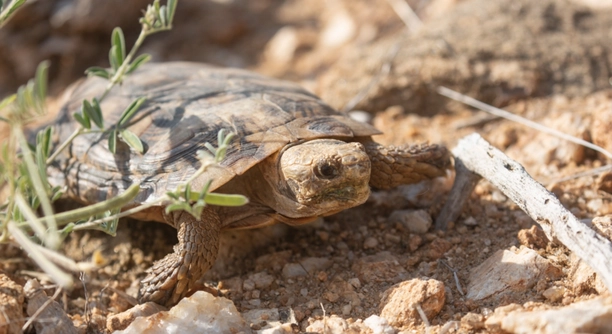
Pancake tortoises can sometimes be a handful, especially when they can’t stop digging. Their natural behavior often leads them to dig into their surroundings, which might raise concern for pet owners. Understanding the reasons behind this behavior is key.
The primary cause of a pancake tortoise’s digging is an instinctual need for shelter or escape. This behavior can be triggered by stress, environmental factors, or the search for a suitable nesting site. Adjusting their environment can reduce digging.
Managing digging behavior requires simple adjustments to their living space. Proper setup can make a noticeable difference in their comfort and reduce the need for excessive digging.
Why Pancake Tortoises Dig
Pancake tortoises dig for various reasons. Most often, this behavior is linked to their natural instincts. In the wild, they dig to create shelters or escape from predators. When kept as pets, these instincts can carry over into their behavior. This is especially true if the tortoise feels stressed or unsafe in its environment. It’s not unusual for a pancake tortoise to dig when it is uncomfortable or trying to hide. When you see your tortoise digging, it’s usually not a sign of illness but a need to feel secure.
Although digging is natural, it can become problematic if your tortoise is constantly engaged in this behavior. If the environment is unsuitable, they may start digging excessively. This could lead to them attempting to escape, which can put them at risk. Understanding the root of their digging behavior can help you create a more comfortable environment, ultimately reducing this stress response.
Creating a safe and stimulating environment can reduce the need for digging. Tortoises benefit from structures like hides and shelters, which mimic their natural environment. By adjusting their living space, you can help your tortoise feel more secure, lessening the urge to dig excessively.
How to Address Digging in Pancake Tortoises
Digging behavior in pancake tortoises often signals environmental issues. When these tortoises don’t feel safe, they instinctively dig to find shelter or a sense of security. The best way to address this is by modifying their living space. Ensuring they have enough hiding spots and creating a more natural setup can minimize digging.
A well-sized enclosure with a secure hiding spot can go a long way in calming a pancake tortoise. Many tortoises will dig if they feel exposed, so providing a cozy hide can help ease their anxiety. Additionally, including some soft, moist soil in their habitat encourages digging in a healthier way, providing them with enrichment while meeting their instincts. You should also make sure the habitat is large enough for your tortoise to move around comfortably.
Tortoises that are housed in environments too small or too exposed will often become restless. They might not only dig excessively but could also show other signs of stress. Regularly changing the setup can help keep your pancake tortoise engaged and content. Sometimes, adding items like rocks, logs, or plants can encourage them to explore instead of dig. By giving them the chance to exhibit natural behaviors in a secure environment, you reduce their need to dig for comfort.
Provide a Comfortable Temperature Range
Maintaining the right temperature is essential for a pancake tortoise’s well-being. If it’s too hot or too cold, your tortoise might dig in an attempt to find a more comfortable spot. A consistent temperature range between 80°F and 90°F during the day is ideal, with a cooler area for nighttime.
A temperature gradient within the enclosure gives your tortoise options, helping them regulate their body temperature. Ensure the basking area is warm, while the shaded area provides relief. Without the proper temperature, your tortoise might experience stress, causing excessive digging as it seeks comfort. Be mindful of sudden temperature changes that could trigger anxiety.
Pancake tortoises also benefit from basking spots with a heat lamp or UVB light. The UVB light supports their health and helps maintain proper calcium levels. When both light and temperature are properly regulated, tortoises feel more secure in their environment, reducing the likelihood of unnecessary digging behavior.
Feeding and Diet Considerations
A proper diet is key to a pancake tortoise’s health and well-being. A diet lacking in essential nutrients or fiber can lead to stress, which may cause them to dig more than usual. Ensure their diet consists of leafy greens, vegetables, and some fruit.
Inadequate food choices or irregular feeding can contribute to behavior problems. Pancake tortoises need a balanced diet rich in calcium to maintain healthy shells and bones. If they’re not getting enough nutrients, they may exhibit behaviors like digging or becoming restless. Fresh, high-quality food promotes better overall health and reduces stress.
It’s also important to offer food in a way that mimics their natural foraging behavior. A scattered food approach will allow them to engage in the act of searching, which reduces anxiety and encourages healthy behavior. Avoid overfeeding, which can lead to obesity, affecting your tortoise’s energy levels and mood.
Keep the Habitat Clean and Dry
A clean and dry habitat is crucial for your pancake tortoise. If the substrate is damp or dirty, it can cause stress, leading to more digging behavior. Regular cleaning prevents bacteria build-up and ensures your tortoise stays healthy.
Clean the enclosure frequently, removing waste and replacing soiled bedding. A dry habitat is essential to avoid any fungal or bacterial infections. Always check for any moisture in the substrate, especially in humid environments. Keeping the enclosure dry and fresh will help your tortoise feel secure and reduce its need to dig.
Offer Hiding Spots
Providing hiding spots is essential for your tortoise’s comfort. Pancake tortoises feel safer when they can retreat to a secluded space. A hide or shelter provides them with the security they need to relax, preventing excessive digging.
Ensure the hide is large enough for the tortoise to comfortably enter and exit. You can create natural-looking hides using rocks, logs, or small wooden boxes. Hiding spaces help mimic the wild, offering a safe environment where your tortoise can retreat when needed. A well-placed hide can significantly reduce stress and digging behavior.
Minimize Handling and Stress
Excessive handling can be a major stressor for pancake tortoises. These animals are naturally shy and prefer to be left alone. Frequent handling can cause anxiety, leading to behavior like digging. Keep handling to a minimum and let your tortoise explore its space at its own pace.
Allowing your tortoise to acclimate to its environment without interruptions promotes a calmer demeanor. When they are not under constant pressure, they will naturally feel more secure in their surroundings. A tortoise that feels safe and undisturbed is less likely to dig out of stress.
FAQ
Why does my pancake tortoise dig so much?
Digging is a natural behavior for pancake tortoises. They do it to find shelter, escape from perceived danger, or create a safe resting spot. In captivity, this behavior can stem from stress, discomfort, or the lack of proper hiding places. Tortoises that feel exposed or threatened might dig more frequently. It’s important to provide a secure, comfortable environment to minimize this behavior.
How can I stop my pancake tortoise from digging?
To reduce digging, you need to address the cause. If your tortoise is stressed, focus on creating a stable, comfortable habitat. Ensure there’s adequate space, a proper temperature gradient, hiding spots, and regular feeding. Keeping the enclosure clean and dry also prevents unwanted digging behavior. Creating a calm, enriched environment can significantly reduce digging.
Can the temperature affect my pancake tortoise’s digging behavior?
Yes, temperature plays a significant role in tortoise behavior. If the enclosure is too hot or too cold, your tortoise may dig to find a more comfortable spot. Make sure the enclosure has a temperature gradient between 80°F and 90°F during the day, with cooler areas for nighttime. Consistent and appropriate temperatures help reduce stress and excessive digging.
How often should I clean my pancake tortoise’s enclosure?
You should clean your tortoise’s enclosure at least once a week. Remove waste, replace soiled bedding, and spot clean daily if necessary. A clean and dry environment is essential for reducing stress and ensuring your tortoise stays healthy. Keeping the habitat fresh can help minimize digging caused by discomfort or a dirty space.
Is it okay to handle my pancake tortoise frequently?
Pancake tortoises can be shy and don’t usually enjoy frequent handling. Excessive handling can stress them out, making them more likely to dig. It’s best to let your tortoise explore its environment on its own. Limit handling to essential times, like during cleaning or vet visits, to keep your tortoise relaxed.
What should I feed my pancake tortoise?
A balanced diet is key to your tortoise’s well-being. Offer a variety of leafy greens, vegetables, and occasional fruits. Foods like dandelion greens, kale, and collard greens are great options. Avoid feeding them too much fruit, as it can cause digestive issues. A diet rich in fiber and calcium is essential to their health and can help prevent stress-related behaviors, such as digging.
How can I create a more comfortable habitat for my pancake tortoise?
To make the habitat more comfortable, provide hiding spots, a consistent temperature gradient, and a clean, dry enclosure. Tortoises feel more secure when they have places to retreat to, so add rocks, logs, or other structures. The right environment will reduce stress and prevent excessive digging. Also, keep the habitat large enough for your tortoise to roam and explore.
Do pancake tortoises need UVB light?
Yes, UVB light is essential for pancake tortoises. It helps them produce vitamin D3, which is crucial for calcium absorption and shell health. Without proper UVB exposure, tortoises can develop metabolic bone disease, leading to poor health. Ensure that your tortoise has access to a UVB light source for 10-12 hours a day to maintain its well-being.
Why does my pancake tortoise keep digging at the walls of its enclosure?
Digging at the walls could indicate that your tortoise feels trapped or stressed. It may be searching for a way out or trying to find a more comfortable space. Make sure the enclosure is large enough, and there are plenty of hiding spots and climbing structures. If the tortoise is constantly trying to escape, it might be a sign that the enclosure needs adjustments to reduce stress and make it feel more secure.
Can I use sand in my pancake tortoise’s enclosure?
Sand can be used as part of the substrate but should be used with caution. It’s essential to avoid overly fine sand, which can cause digestive issues if ingested. Mixing sand with other materials like coconut coir or soil helps create a more suitable substrate. Make sure the sand is kept clean and dry to reduce the risk of health problems and unnecessary digging.
Final Thoughts
Pancake tortoises are unique creatures that require careful attention to their environment and well-being. Digging is a natural behavior, but it can become excessive if there are factors like stress or discomfort involved. Understanding the reasons behind their digging is essential for addressing the issue effectively. The key is to ensure that your tortoise feels safe and comfortable in its habitat. A secure and properly maintained enclosure can go a long way in preventing digging behavior that stems from stress or anxiety. With the right adjustments, your tortoise can thrive without feeling the need to dig excessively.
A well-maintained habitat is crucial. Keeping the environment clean, providing hiding spots, and ensuring proper temperature gradients are simple yet effective ways to reduce stress. It’s also important to pay attention to your tortoise’s diet, as a well-fed tortoise is less likely to exhibit unwanted behaviors. Offering a balanced diet, rich in fiber and calcium, helps your tortoise feel its best. In addition, regular cleaning and providing a stable, dry habitat are key factors in minimizing the chances of your tortoise feeling compelled to dig. A little attention to these details can make a significant difference in your tortoise’s behavior.
Ultimately, creating a positive and stress-free environment is the most effective way to prevent excessive digging. Be mindful of your tortoise’s natural instincts and provide a space that mimics its wild habitat as closely as possible. With the right care and understanding, your pancake tortoise will live a happy, healthy life, reducing the need for digging and allowing both you and your pet to enjoy each other’s company.

Hello,
If you enjoy the content that we create, please consider saying a "Thank You!" by leaving a tip.
Every little bit helps us continue crafting quality advice that supports the health, happiness, and well-being of pets around the world, for pets of all shapes, sizes, and species.
We really appreciate the kindness and support that you show us!