
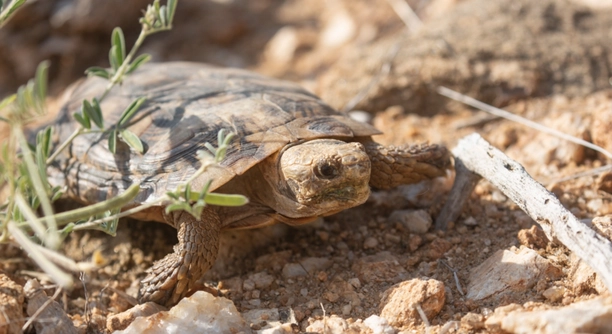
A pancake tortoise that won’t open its eyes can be worrying for pet owners. Understanding the reasons behind this behavior can help provide proper care and restore your pet’s well-being.
The most common causes of a pancake tortoise not opening its eyes include dehydration, stress, or an underlying health issue. Ensuring your tortoise has access to clean water, a stable environment, and proper nutrition is essential for its recovery.
Taking the right steps can improve your tortoise’s condition and prevent further complications. Addressing these factors promptly will help ensure a healthy, happy tortoise.
Dehydration and Its Effect on Your Pancake Tortoise
Dehydration is one of the most common issues when a pancake tortoise refuses to open its eyes. These reptiles need to stay hydrated for proper bodily functions, and lack of water can lead to eye problems. The symptoms might include droopy eyes or difficulty closing them. Make sure your tortoise has constant access to fresh, clean water, and consider offering a shallow water dish where it can easily drink. Occasionally soaking your tortoise in lukewarm water can also help with hydration.
In some cases, dehydration may cause other health issues, including lethargy or decreased appetite. If you notice these signs, increasing the water supply and monitoring your tortoise’s behavior closely is important. Hydration is often a quick fix to eye-related problems in tortoises.
A consistent water supply helps prevent dehydration, but it’s essential to ensure that your pancake tortoise is in an environment with proper humidity levels. If the habitat is too dry, the tortoise may struggle to stay hydrated, which can lead to eye and other health issues.
Stress Can Lead to Closed Eyes
Stress is another factor that can prevent your pancake tortoise from opening its eyes. The stress can come from environmental changes, handling, or changes in diet. When a tortoise feels stressed, its body reacts by going into a defensive state, leading to the tortoise closing its eyes. To reduce stress, keep your tortoise’s environment quiet and consistent. Avoid excessive handling, as this can be overwhelming for them.
Creating a calm and stable environment for your tortoise is essential for its well-being. Keeping a consistent day-night cycle, ensuring the habitat is at the right temperature, and providing proper hiding spots will help reduce stress and promote eye health.
Improper Lighting and Temperature
Lighting and temperature play a crucial role in your pancake tortoise’s health. If the environment is too hot or too cold, it can cause eye issues, as well as lethargy. Make sure your tortoise has access to a proper heat source and UVB lighting. Too much or too little heat can affect its ability to open its eyes.
Ensure that your tortoise has a temperature gradient in its enclosure, providing both a warm and cool area. The basking spot should be between 95°F and 100°F, while the cooler area should be around 75°F. Proper UVB lighting is essential for your tortoise’s overall health and eye function, as it helps with calcium absorption.
Incorrect lighting and temperature can also affect your tortoise’s metabolism and immune system. If the heat is too high or too low, it can lead to stress and a weakened immune response, making your tortoise more susceptible to health problems. Consistent, correct lighting and temperature are key to keeping your tortoise healthy.
Eye Infections and Other Health Concerns
Eye infections can occur in pancake tortoises, leading to swollen or closed eyes. These infections often happen due to poor hygiene or exposure to dirty water. To prevent this, clean your tortoise’s habitat regularly, especially its water dish.
If you notice your tortoise’s eyes are swollen or have discharge, an eye infection might be present. A vet can provide appropriate medication, and cleaning the affected area with a gentle saline solution can help reduce the irritation. Keep your tortoise’s habitat clean and dry to minimize infection risk.
Any eye infection, if left untreated, can lead to long-term damage. It’s important to act quickly if you notice signs of infection. Aside from eye infections, other health issues such as respiratory infections or metabolic bone disease can cause similar symptoms. Regular vet check-ups will help catch these issues early.
Malnutrition and Vitamin Deficiencies
A lack of proper nutrition can affect your pancake tortoise’s overall health, including its eye function. Malnutrition can cause a weakened immune system and dry, irritated eyes. A balanced diet, including a variety of vegetables and high-quality protein, is essential for their well-being.
Ensure your tortoise gets all the necessary nutrients, including vitamin A, which is crucial for eye health. You can provide supplements or feed foods rich in vitamin A, such as carrots, dark leafy greens, or squash. A varied diet helps prevent deficiencies and keeps your tortoise’s eyes and body healthy.
Enclosure Cleanliness
A dirty enclosure can lead to numerous health issues, including eye problems. It’s essential to clean your tortoise’s habitat regularly to prevent bacteria buildup. Keep water dishes, bedding, and surfaces free of waste to avoid eye infections.
Ensure your tortoise’s enclosure is spotlessly clean, as harmful bacteria and fungi can develop in dirty areas. Regularly disinfecting surfaces and changing bedding helps maintain a healthy environment. A clean space reduces the risk of eye infections and other health problems that could affect your tortoise’s well-being.
FAQ
What should I do if my pancake tortoise’s eyes stay closed for more than a few days?
If your pancake tortoise’s eyes remain closed for an extended period, it’s important to evaluate its environment, hydration, and diet. Check for signs of dehydration, stress, or infection. If no improvements are seen after addressing these factors, it’s time to consult a veterinarian. Prolonged eye issues can indicate a serious underlying problem.
Can I use any eye drops for my pancake tortoise?
Avoid using human eye drops on your tortoise. Most eye drops contain chemicals that are not safe for reptiles. Instead, consult with a veterinarian for proper treatment. They can prescribe reptile-safe eye drops or ointments that are designed for tortoises and other reptiles, ensuring it is safe for your pet.
How often should I clean my pancake tortoise’s enclosure?
Cleaning your tortoise’s enclosure should be done at least once a week. This includes removing waste, changing bedding, and disinfecting surfaces. Water dishes should be cleaned daily to prevent bacterial growth. A clean habitat is essential for keeping your tortoise healthy and preventing eye infections and other health problems.
Can a pancake tortoise recover from an eye infection?
Yes, most pancake tortoises can recover from eye infections with prompt and appropriate treatment. If an infection is diagnosed, the vet will likely prescribe antibiotic eye drops or ointments. Cleaning the eyes gently with a saline solution can also help in some cases. With proper care, recovery is possible.
How do I know if my pancake tortoise is stressed?
Stress in a pancake tortoise can be caused by environmental changes, overhandling, or inadequate habitat conditions. Signs of stress include lack of appetite, lethargy, closed eyes, and defensive behavior. To reduce stress, maintain a consistent habitat with proper lighting, temperature, and humidity, and limit handling.
Is it normal for my pancake tortoise to close its eyes during the day?
It is not uncommon for a pancake tortoise to close its eyes during the day, especially if it feels threatened or is trying to rest. However, if the eyes remain closed for an extended period, it may indicate health problems, such as dehydration, infection, or poor lighting conditions. Regularly observe its behavior and make adjustments to its environment as needed.
What are the signs that my pancake tortoise is dehydrated?
Dehydration in pancake tortoises can be indicated by closed or sunken eyes, dry skin, and lethargy. To prevent dehydration, ensure your tortoise has constant access to fresh water and consider offering occasional soaking sessions in lukewarm water. Dehydration can also be prevented by maintaining proper humidity levels in the enclosure.
How can I help my pancake tortoise if it’s not eating?
If your pancake tortoise is not eating, first check its habitat conditions, including temperature, humidity, and lighting. Stress, poor diet, and illness can cause a loss of appetite. Offer a variety of fresh vegetables and high-quality protein. If the lack of appetite continues, a visit to the vet is recommended.
Should I provide supplements for my pancake tortoise?
Yes, providing supplements is often necessary to ensure your pancake tortoise is getting all the essential nutrients. Calcium and vitamin D3 supplements are especially important for shell and bone health. Vitamin A is also crucial for eye health. Always consult with a vet before adding supplements to your tortoise’s diet to avoid over-supplementation.
What temperature should my pancake tortoise’s habitat be?
Your pancake tortoise’s habitat should have a temperature gradient, with a basking area at around 95°F to 100°F and a cooler area of about 75°F. A proper temperature range helps regulate your tortoise’s metabolism and supports its immune system. Ensure the temperature does not fluctuate too much, as rapid changes can cause stress.
How do I prevent my pancake tortoise from getting eye infections?
To prevent eye infections, ensure your pancake tortoise’s habitat is clean and dry. Regularly clean the water dishes and remove any waste from the enclosure. Provide a proper diet and ensure adequate hydration. Additionally, avoid sudden temperature changes and exposure to excessive humidity, as these factors can contribute to eye infections.
Why is my pancake tortoise lethargic?
Lethargy in a pancake tortoise can be caused by several factors, including improper lighting, temperature, dehydration, malnutrition, or illness. Check the habitat’s conditions to ensure they are optimal. If lethargy persists, consult with a vet, as it could be a sign of an underlying health issue that needs attention.
Can stress affect my pancake tortoise’s health?
Yes, stress can significantly affect your pancake tortoise’s health. Prolonged stress can lead to various health problems, including closed eyes, loss of appetite, and weakened immune function. To reduce stress, keep the environment stable, avoid excessive handling, and ensure your tortoise’s needs are being met, such as proper temperature, humidity, and food.
How do I know if my pancake tortoise is in pain?
A pancake tortoise may show signs of pain through changes in behavior, such as hiding, reduced activity, lack of appetite, or aggression. Physical symptoms like swelling or discharge from the eyes, nose, or mouth can also indicate pain. If you suspect your tortoise is in pain, seek veterinary care promptly for a diagnosis and treatment.
Can I use a heat lamp for my pancake tortoise?
Yes, a heat lamp is an essential part of a pancake tortoise’s habitat. The lamp should provide a basking spot with temperatures around 95°F to 100°F. UVB lighting is also necessary for the tortoise to process calcium properly. Make sure the heat lamp is placed at an appropriate distance from the tortoise to avoid burns.
What foods should I avoid feeding my pancake tortoise?
Avoid feeding your pancake tortoise foods high in oxalates or phosphorus, such as spinach or rhubarb, as these can interfere with calcium absorption. Avoid offering processed foods, dairy, or fatty foods. Stick to a diet of fresh leafy greens, fruits in moderation, and high-quality protein sources like insects.
Final Thoughts
Addressing eye issues in a pancake tortoise is essential for its overall well-being. The eyes are crucial for its ability to navigate and respond to its surroundings. When a tortoise keeps its eyes closed for long periods, it can signal an underlying health problem. Environmental factors, such as temperature, lighting, and humidity, play a big role in a tortoise’s health. Ensuring that the habitat is clean and the conditions are optimal is key to preventing many of these issues. Regular monitoring and early intervention can help resolve most problems before they escalate.
A common cause of eye problems in pancake tortoises is dehydration. This can be due to low humidity or insufficient access to clean water. To maintain proper hydration, it’s important to provide a soaking opportunity and ensure a constant supply of water. Additionally, diet plays a role in eye health. Tortoises need a variety of nutrients, including vitamin A, to support good vision and overall health. A balanced diet, along with proper hydration, will help strengthen their immune system and reduce the likelihood of infections or other health concerns.
If your pancake tortoise continues to experience issues with its eyes despite your best efforts, it may be time to consult with a veterinarian. Professional help ensures a correct diagnosis and effective treatment. In some cases, persistent eye problems may point to an infection, nutritional deficiency, or more serious condition. With the right care and attention, most tortoises can recover fully. Providing a healthy and stable environment, along with a proper diet and care routine, will promote your tortoise’s long-term health and well-being.

Hello,
If you enjoy the content that we create, please consider saying a "Thank You!" by leaving a tip.
Every little bit helps us continue crafting quality advice that supports the health, happiness, and well-being of pets around the world, for pets of all shapes, sizes, and species.
We really appreciate the kindness and support that you show us!