
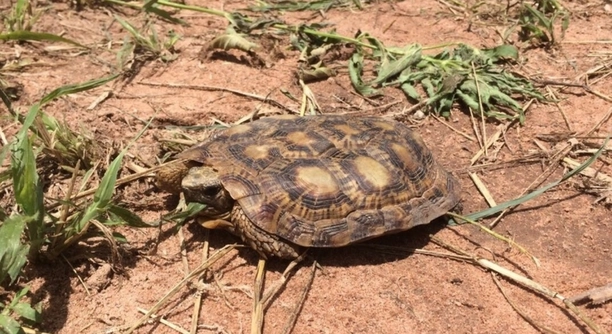
Pancake tortoises can be picky eaters, especially when it comes to greens. If your tortoise refuses to eat its veggies, it can be concerning. This behavior is common, but there are a few simple steps you can take.
To resolve this issue, the first step is to assess the environment. Make sure your tortoise’s habitat is clean, spacious, and stress-free. Additionally, varying the type of greens offered and ensuring they are fresh can encourage your tortoise to try them.
Small changes in diet, temperature, and habitat setup can make a significant difference. Read on for easy solutions to help your pancake tortoise eat its greens.
Create a Comfortable and Stress-Free Environment
One of the first things to consider is your tortoise’s living space. Stress is a common reason why a pancake tortoise won’t eat. If the environment is too noisy, cramped, or dirty, it could cause your tortoise to lose its appetite. Make sure their habitat is large enough to roam, with plenty of hiding spots for them to feel safe. Additionally, the temperature should be within the recommended range. Pancake tortoises are native to warm, dry areas, so make sure the habitat mimics their natural environment with both a warm and cooler area.
Stress-free environments encourage natural behavior, which includes eating. When your tortoise feels secure, it is more likely to explore food options. Try not to handle them too much, as that can cause unnecessary stress. A calm, peaceful space makes a big difference.
The next step is to observe if your tortoise’s appetite changes with these adjustments. A few changes can help you identify what might be causing the issue. Monitor its behavior closely, and you should see improvements.
Offer Fresh and Varied Greens
Another reason your pancake tortoise might avoid greens is that they might be bored with the same options. Offering fresh, varied greens can be an easy fix. Different tortoises have different preferences, so it’s important to try a range of leafy vegetables. Some common greens include collard greens, dandelion greens, and mustard greens. You can also introduce herbs like basil or parsley for some variety.
When offering new greens, make sure they’re fresh and pesticide-free. If you’re buying them from the store, washing them thoroughly can prevent any harmful chemicals. Additionally, if your tortoise hasn’t eaten greens before, it may take time to adjust to the new food. Keep offering fresh options regularly, and it should eventually become more interested.
Offer a small variety of greens and monitor your tortoise’s response to each type. Over time, you will learn what it prefers and what is ignored. Be patient; this process might take some time but is worth the effort.
Ensure Proper Lighting and Temperature
Proper lighting and temperature are crucial for your pancake tortoise’s health and appetite. If the environment is too cold or dark, it may not feel motivated to eat. The ideal temperature should range between 80°F to 85°F in the basking area. Make sure there is a heat source to help regulate this.
Proper lighting plays a significant role in digestion and overall well-being. UVB light is especially important for helping your tortoise metabolize calcium and digest food. Without it, your tortoise may not feel hungry. Ensure it has access to natural sunlight or UVB lamps for about 10-12 hours a day.
If you notice that your tortoise’s eating habits improve when the lighting and temperature are adjusted, you know it’s an important factor. Keep a steady eye on the conditions, and make sure they remain within the ideal range for optimal health.
Hydration is Key
Your pancake tortoise might not eat greens if it is not properly hydrated. Dehydration can cause a loss of appetite, and without the right amount of water, it may refuse to eat. Provide a shallow water dish in the enclosure for easy access.
Changing the water daily ensures it stays fresh. Some tortoises may even prefer soaking in water for a short time, which can help with hydration. Soaking also encourages your tortoise to stay hydrated and can improve its digestion, making greens more appealing.
Monitor your tortoise’s water intake closely, especially if it is reluctant to eat. In some cases, offering soaked greens can also help increase hydration levels. Keep an eye on both water and food intake, as they are connected to your tortoise’s appetite and health.
Offer Greens in Different Forms
Sometimes, pancake tortoises refuse greens simply because they’re offered in a way that doesn’t appeal to them. Try offering greens in different forms, such as chopped into smaller pieces or mixed with other food items like fruits or flowers. This can make the greens more enticing.
The shape and size of the greens can make a difference. If your tortoise struggles with large, tough leaves, consider chopping them into smaller pieces. This can make it easier for the tortoise to nibble. It also helps mimic their natural foraging behavior, which may encourage eating.
Experiment with different forms to see what works best for your tortoise. It’s a simple change that can go a long way in encouraging healthy eating habits.
Add Edible Flowers
Adding edible flowers like hibiscus, dandelions, or nasturtiums to the diet can help get your pancake tortoise to eat greens. Many tortoises love the vibrant colors and smells of flowers, which can make them more inclined to try greens. Mixing flowers with greens can provide variety and stimulate their appetite.
Flowers are a great source of nutrients and can enhance the flavor of the greens. When mixed together, they make the meal visually appealing and more interesting. Some tortoises even prefer flowers over regular greens. Ensure the flowers are pesticide-free and safe for tortoises to consume.
Make sure to rotate flowers regularly to keep your tortoise interested and healthy. This simple step can significantly impact your tortoise’s eating habits.
FAQ
Why is my pancake tortoise not eating its greens?
There are a few reasons your pancake tortoise might not be eating greens. It could be due to environmental stress, improper lighting, or temperature issues. If the habitat is too cold or dark, it might cause a loss of appetite. Similarly, if the tortoise feels stressed, it might not eat. Ensure that the habitat is clean, spacious, and the right temperature, ranging from 80°F to 85°F in the basking area. Make sure there’s proper UVB lighting, as it helps with digestion and appetite.
How often should I feed my pancake tortoise greens?
Pancake tortoises typically need a diet of greens every day, but it’s important to offer a variety to prevent them from getting bored. The amount should be enough to fill their plate for each meal but not overwhelm them. A consistent routine is key, as it will help them adjust to regular feeding schedules. Offering greens once a day or every other day is usually fine, but be sure to include different types of greens to keep them interested.
Can I give my pancake tortoise fruits instead of greens?
While fruits can be an occasional treat, they should not replace greens in your pancake tortoise’s diet. Greens provide essential nutrients and fiber that fruits cannot offer. Fruits are high in sugar, and offering them too often can lead to health issues, such as obesity or digestive problems. Stick to giving small portions of fruits like papaya or melon, but always make sure the bulk of their diet is made up of leafy greens.
What type of greens should I feed my pancake tortoise?
Pancake tortoises thrive on a variety of leafy greens. Common options include collard greens, mustard greens, dandelion greens, and kale. You can also offer herbs like basil, parsley, or cilantro. Make sure to avoid spinach, as it can lead to kidney problems when fed in excess. Fresh, pesticide-free greens are always best. Experiment with different types to see what your tortoise enjoys the most.
Can I feed my pancake tortoise other vegetables?
Yes, you can occasionally feed your pancake tortoise vegetables like bell peppers, carrots, and zucchini. However, these should be offered in moderation as they do not provide as many essential nutrients as leafy greens. Always wash the vegetables thoroughly before feeding to avoid any pesticides or harmful chemicals. Stick to giving them a balanced diet of greens and small amounts of other vegetables.
How can I encourage my pancake tortoise to eat more greens?
If your pancake tortoise isn’t eating its greens, try making the greens more appealing by chopping them into smaller pieces or mixing them with edible flowers, fruits, or herbs. You can also try offering greens at different times of the day or changing the way they are presented. Make sure the environment is stress-free, the temperature and lighting are correct, and there’s no competition for food.
Can I offer my pancake tortoise dried greens?
Dried greens can be offered, but they should not be the main part of your tortoise’s diet. Fresh greens are always better, as they contain more nutrients and water content. Dried greens can be used as an occasional treat or mixed with fresh greens. Just be sure to avoid dried greens that have added preservatives or artificial flavors.
Is it normal for a pancake tortoise to stop eating occasionally?
It is not uncommon for a pancake tortoise to eat less or refuse food at times, especially when they are adjusting to a new environment or during certain seasons. However, if the loss of appetite persists for several days or is accompanied by other signs of illness, such as lethargy or weight loss, you should consult a veterinarian. A temporary loss of appetite can be part of the natural behavior, but ongoing issues should be addressed.
Final Thoughts
Getting a pancake tortoise to eat greens can take some patience and observation. It’s important to consider factors like temperature, lighting, and stress in their environment. If your tortoise is avoiding food, making simple changes to its habitat can go a long way. A clean, spacious, and stress-free environment will help your tortoise feel safe and comfortable, which is essential for good eating habits. In many cases, small adjustments to the habitat, like adding proper UVB lighting or regulating the temperature, can encourage your tortoise to start eating more regularly.
Another important factor is the variety of greens offered. Pancake tortoises are less likely to eat the same greens day after day, so it’s helpful to offer a mix of leafy vegetables, herbs, and flowers. Experimenting with different textures and sizes can also make a big difference. For example, chopping up greens into smaller pieces or mixing them with fresh flowers might encourage your tortoise to try something new. Offering greens in different forms can be a fun way to keep their diet interesting and help them stay healthy.
If you’ve made adjustments to the environment and tried different greens, and your tortoise is still not eating, it may be time to consult a vet. There could be underlying health issues causing the lack of appetite. However, in most cases, a little patience, observation, and routine can help get your pancake tortoise back on track. Keep an eye on its behavior, and remember that even small changes can lead to positive results over time.

Hello,
If you enjoy the content that we create, please consider saying a "Thank You!" by leaving a tip.
Every little bit helps us continue crafting quality advice that supports the health, happiness, and well-being of pets around the world, for pets of all shapes, sizes, and species.
We really appreciate the kindness and support that you show us!