
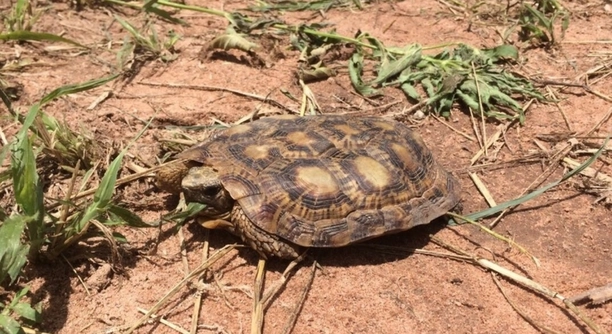
A pancake tortoise is a unique pet with specific needs. If yours isn’t burying itself, it could be facing some challenges. Understanding why this happens can help improve its living environment and overall well-being.
The inability of a pancake tortoise to bury itself typically results from improper habitat conditions, such as inadequate substrate, stress, or insufficient hiding places. Ensuring that its enclosure mimics its natural environment can resolve this issue and promote more natural behavior.
Adjusting its habitat properly will improve its comfort and help your tortoise feel more secure. Keep reading to find simple fixes that could make a big difference.
1. Adjusting the Substrate for Proper Digging
A pancake tortoise requires a substrate that allows it to dig and bury itself, mimicking its natural behavior. If the substrate is too hard or too soft, it may struggle to dig properly. The most suitable substrate is a mix of sand and soil, which provides both stability and texture for digging. Additionally, the substrate should be deep enough to give the tortoise space to burrow. If the substrate is too shallow, the tortoise will have no room to bury itself, causing frustration.
The depth of the substrate should be at least 4 to 6 inches. This allows the tortoise to bury itself completely. A mix of sand, soil, and coconut fiber can be ideal as it provides the right texture and moisture levels.
In addition to substrate depth, make sure to spot clean regularly to prevent harmful bacteria from developing. Keeping the habitat clean is crucial for maintaining the tortoise’s health and encouraging natural behaviors.
2. Providing Hiding Places
A tortoise needs secure spots to hide when it feels threatened. Without adequate hiding places, it may feel stressed, which could prevent it from burying itself. Natural hiding spots like logs or flat stones can work well to create a sense of security.
Adding a few hides within the enclosure will provide your tortoise with the opportunity to retreat when it feels the need. Make sure the hides are placed in areas that allow the tortoise to move freely and feel safe.
3. Maintaining Proper Temperature
Temperature plays a vital role in the tortoise’s comfort. If the temperature in its enclosure is too high or too low, it might not feel like digging or burying itself. The ideal temperature range for a pancake tortoise is between 85°F and 95°F during the day. At night, temperatures can drop to around 70°F.
Maintaining this temperature range is essential for the tortoise’s overall health and natural behavior. Heat lamps or ceramic heat emitters can help regulate the temperature. Make sure to provide a basking area where the tortoise can absorb heat.
A consistent and appropriate temperature encourages the tortoise to remain active, feel comfortable, and behave more naturally. An overly hot or cold environment can stress the tortoise, making it less likely to dig or bury. Keep track of temperature fluctuations using a thermometer.
4. Reducing Stress
Stress is a significant factor in preventing a pancake tortoise from burying itself. Overcrowded enclosures or noisy environments can make your tortoise anxious, leading to avoidance of burrowing. A quiet, spacious environment where the tortoise feels safe is crucial for its well-being.
Placing the enclosure in a less trafficked area of your home and ensuring it has sufficient space will help reduce stress. Regular handling or excessive movement can also make the tortoise uneasy, leading it to avoid burying itself. When the tortoise feels secure, it will be more likely to engage in natural behaviors like burrowing.
5. Ensuring Adequate Humidity
Humidity plays an important role in a pancake tortoise’s ability to burrow. Too much humidity can lead to respiratory issues, while too little can cause dehydration and hinder digging. Aim for a humidity level of 40% to 60% to ensure a comfortable balance.
A simple way to maintain proper humidity is by misting the enclosure regularly. Adding a shallow water dish also helps with humidity levels. If you live in a dry climate, consider using a humidity gauge to track moisture levels, adjusting as needed to keep it within range.
6. Providing a Varied Diet
A balanced diet contributes to a healthy, active tortoise. When properly nourished, a pancake tortoise will be more likely to display natural behaviors such as burying itself. Offer a mix of leafy greens, fruits, and some occasional protein sources.
Feeding it fresh, varied foods ensures its energy levels stay high, allowing for more active and normal behaviors. Avoid feeding it too much high-protein food, as this can lead to health problems. Always provide fresh water for hydration and to promote overall well-being.
FAQ
Why isn’t my pancake tortoise burying itself?
If your pancake tortoise isn’t burying itself, there may be issues with its environment. It could be due to improper substrate, lack of hiding places, incorrect temperature, or stress. Ensure that the enclosure provides enough space, appropriate substrate depth, and a secure, quiet environment.
What is the best substrate for a pancake tortoise?
A mix of sand and soil works best for a pancake tortoise. The substrate should be at least 4 to 6 inches deep, providing enough space for the tortoise to dig. Adding coconut fiber can also help maintain moisture and create a more comfortable texture for burrowing.
How do I know if the temperature in my tortoise’s enclosure is correct?
The ideal temperature for a pancake tortoise is between 85°F and 95°F during the day, with a slight drop to 70°F at night. Use a thermometer to monitor the enclosure’s temperature and make adjustments with heat lamps or ceramic emitters if needed.
How often should I mist my pancake tortoise’s enclosure?
You should mist your tortoise’s enclosure every 2 to 3 days to maintain proper humidity levels. If the air is dry, increase misting frequency, but ensure the humidity does not exceed 60%. A shallow water dish can also help with humidity control.
Can a pancake tortoise live with other tortoises?
It’s best to house a pancake tortoise alone to avoid territorial behavior and stress. If you do want to house multiple tortoises, ensure the enclosure is large enough and that each tortoise has its own hiding spots and space to roam.
Is it normal for my tortoise to be inactive at times?
Yes, it’s normal for a pancake tortoise to be inactive, especially when it’s adjusting to its environment or during cooler periods of the day. However, if inactivity lasts for long periods or is accompanied by signs of illness, it’s best to consult a vet.
How can I reduce stress for my pancake tortoise?
To reduce stress, provide a quiet, spacious environment with enough hiding places. Avoid excessive handling or any sudden movements near its enclosure. Keep the enclosure away from noisy areas, and ensure it is free from overcrowding.
What should I feed my pancake tortoise?
A pancake tortoise’s diet should consist mainly of leafy greens such as dandelion, collard greens, and romaine lettuce. Occasional fruits like strawberries or melons can be offered as treats. Limit high-protein foods, as too much can cause health issues.
How do I know if my tortoise is healthy?
A healthy pancake tortoise will be active, have clear eyes, and show interest in food. Its shell should be smooth and free from cracks or lesions. It should also be alert and responsive to its surroundings. Any signs of lethargy, respiratory issues, or shell damage should be checked by a vet.
Can I use a UVB light for my tortoise?
Yes, UVB lighting is essential for a pancake tortoise. It helps them synthesize vitamin D3, which is crucial for calcium absorption. Ensure the UVB light is placed within the recommended distance from the tortoise and replace the bulb every 6 months for optimal effectiveness.
What size enclosure does my pancake tortoise need?
The minimum recommended enclosure size for a pancake tortoise is 40 gallons for one tortoise. However, larger enclosures are always better. The enclosure should be spacious enough to allow the tortoise to roam, dig, and hide comfortably.
Final Thoughts
Caring for a pancake tortoise requires attention to detail, especially when it comes to creating the right environment. Ensuring that your tortoise’s enclosure has the proper temperature, humidity, and space is essential for its overall health and natural behaviors. If your tortoise is not burying itself, it could be a sign of stress, improper conditions, or simply a lack of adequate digging materials. By paying attention to the small details, like substrate type and temperature control, you can make a significant difference in its comfort and well-being.
Maintaining a proper diet also plays a crucial role in encouraging healthy behaviors. A well-balanced mix of leafy greens, fruits, and occasional protein ensures that the tortoise remains active and ready to engage in natural activities like burrowing. Additionally, providing plenty of water and ensuring it stays hydrated is key to avoiding issues with health and behavior. Stress can prevent a pancake tortoise from engaging in activities it would otherwise do, such as burying, so reducing environmental stressors is essential. A peaceful, quiet enclosure will help keep your tortoise comfortable and allow it to act more naturally.
Ultimately, a little patience and observation can help you understand your tortoise’s needs better. If you notice that your pancake tortoise is still not burying itself after making the necessary changes to its environment, it’s always a good idea to consult a vet. Sometimes health issues can affect behavior, and it’s best to ensure that everything is in order. By providing the right care, diet, and environment, your pancake tortoise will have the opportunity to thrive and engage in all of its natural behaviors, including burying.

Hello,
If you enjoy the content that we create, please consider saying a "Thank You!" by leaving a tip.
Every little bit helps us continue crafting quality advice that supports the health, happiness, and well-being of pets around the world, for pets of all shapes, sizes, and species.
We really appreciate the kindness and support that you show us!