
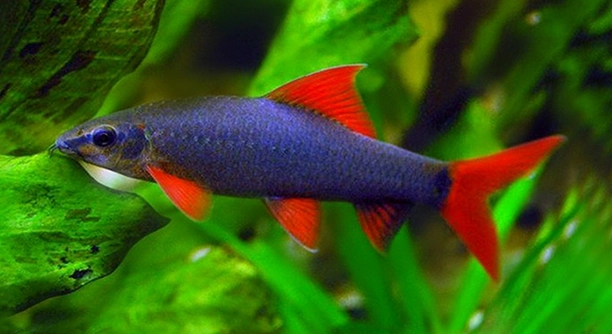
Caring for a Rainbow Shark can be rewarding but sometimes challenging. Many owners face common issues that affect the fish’s well-being. Simple adjustments can greatly improve their happiness and health in home aquariums.
Maintaining a clean tank, providing proper diet, ensuring adequate space, and monitoring water conditions are essential for a Rainbow Shark’s happiness. Addressing these factors systematically reduces stress and promotes natural behavior, resulting in a healthier fish overall.
Understanding these basic fixes will help your Rainbow Shark thrive. Implementing easy changes can make a big difference in their daily life and long-term care.
Keep the Tank Clean and Well-Maintained
A clean tank is vital for the health of your Rainbow Shark. Uneaten food, waste, and algae can quickly build up, causing poor water quality. This can lead to stress, illness, and unusual behavior. Regular water changes, at least 20-30% weekly, help keep toxins like ammonia and nitrites low. Using a good filter that suits the tank size improves water circulation and clarity. Also, cleaning the gravel and decorations removes debris where bacteria may grow. Avoid overfeeding, as leftover food worsens water conditions. Testing the water regularly for pH, ammonia, nitrites, and nitrates helps catch problems early. Maintaining stable water parameters supports your fish’s immune system and activity levels. When the tank environment is clean and balanced, Rainbow Sharks are more likely to display natural swimming patterns and vibrant colors. Taking these steps reduces the chance of diseases and keeps your fish happy in its aquatic home.
Keeping up with tank maintenance can prevent many common issues before they start. A clean environment means a healthy fish.
Spending a few minutes each week on tank upkeep makes a big difference. You don’t need fancy equipment, just a good filter, a water test kit, and some routine cleaning. Regular water changes and gravel vacuuming remove harmful substances. This creates a more stable and comfortable environment, which encourages your Rainbow Shark to thrive. Consistency in these habits also helps you notice any changes in your fish’s behavior early. Overall, proper tank maintenance is the foundation of good care for Rainbow Sharks.
Provide a Balanced Diet and Avoid Overfeeding
Rainbow Sharks need a varied diet to stay healthy and active. Feeding them a mix of high-quality flakes, pellets, and occasional live or frozen foods like bloodworms or brine shrimp provides essential nutrients. Avoid overfeeding, as excess food leads to poor water quality and obesity. Feed small amounts once or twice daily, only what your fish can consume in a few minutes. Offering plant-based foods like spirulina flakes also supports their digestive health. Changing the diet slightly over time helps prevent boredom and encourages natural foraging behavior. When Rainbow Sharks receive proper nutrition, their colors become more vivid, and they stay energetic. Proper feeding habits reduce the risk of swim bladder problems and other diet-related issues, contributing to overall well-being.
Balanced nutrition and controlled feeding promote long-term health. It helps maintain clean water and vibrant fish.
To ensure the best diet, observe how your Rainbow Shark eats and adjust portions accordingly. Fresh food should be removed promptly to prevent decay in the tank. Including occasional vegetable treats like blanched zucchini can be beneficial. A consistent feeding schedule and varied food options keep your fish healthy and lively. Remember, quality matters more than quantity when it comes to feeding Rainbow Sharks.
Provide Adequate Space and Hiding Spots
Rainbow Sharks need enough room to swim freely and reduce stress. A tank size of at least 30 gallons is recommended for one adult fish. They also appreciate places to hide, like caves or plants, to feel secure.
Crowded tanks can cause aggression and stress, so adequate space helps keep the fish calm. Including decorations and plants creates a natural environment and prevents boredom. These hiding spots give your Rainbow Shark a sense of safety, reducing its tendency to act aggressively toward tank mates. Avoid sharp decorations that could injure the fish. Proper space and shelter promote healthier behavior and increase their overall well-being. A well-arranged tank helps your Rainbow Shark feel more at home.
Consistent space and environmental enrichment are important for a happy Rainbow Shark. It helps them stay active and reduces aggressive tendencies, improving their quality of life.
Monitor and Maintain Proper Water Conditions
Water temperature should be kept between 72°F and 79°F for optimal Rainbow Shark health. Stable temperature prevents stress and supports normal metabolism. Regular testing of pH is also important; a neutral to slightly acidic range between 6.5 and 7.5 works best.
Maintaining clean water with low ammonia, nitrites, and nitrates is critical. Frequent water changes and good filtration keep these levels safe. Sudden changes in water chemistry or temperature can shock your fish, leading to illness or death. Using a reliable heater and thermometer helps keep conditions steady. A well-balanced environment supports immune function and natural activity.
Careful monitoring and adjustments create a stable environment for your Rainbow Shark. Stability in water parameters supports long-term health and reduces stress, making your fish more resilient.
Avoid Aggressive Tank Mates
Rainbow Sharks can be territorial and aggressive toward smaller or slow-moving fish. Choose tank mates that are fast and can hold their own to reduce conflicts. Avoid overcrowding to limit stress and fighting.
Providing enough space and hiding spots helps ease tensions between fish. Monitor behavior regularly to separate aggressive individuals if needed.
Regular Health Checks and Observation
Watch your Rainbow Shark closely for signs of illness like faded colors, unusual swimming, or spots. Early detection of problems allows for quicker treatment. Maintaining good water quality and diet reduces the risk of disease.
Routine observation helps catch issues before they become serious. Healthy fish display bright colors, smooth movement, and normal eating habits.
Control Lighting Duration
Limit aquarium lighting to about 8-10 hours per day. Too much light can stress your Rainbow Shark and encourage excessive algae growth. Use a timer for consistent light cycles, which helps maintain natural rhythms.
FAQ
How often should I change the water in my Rainbow Shark’s tank?
Water changes should be done weekly, replacing about 20-30% of the tank water each time. This helps keep ammonia, nitrite, and nitrate levels low and maintains good water quality. More frequent changes may be needed if the tank is heavily stocked or if water tests show poor conditions.
What is the ideal tank size for a Rainbow Shark?
A minimum of 30 gallons is recommended for one adult Rainbow Shark. They are active swimmers and need enough space to move freely. Larger tanks are better, especially if you plan to keep other fish with them to avoid territorial aggression.
Can Rainbow Sharks live with other fish?
Yes, but choose tank mates carefully. Avoid small, slow, or long-finned fish as they may be harassed. Good companions include fast-moving species like danios or larger tetras. Always provide plenty of hiding places to reduce conflicts and stress.
What should I feed my Rainbow Shark?
A varied diet works best. Use high-quality flakes or pellets designed for omnivorous fish. Supplement with frozen or live foods like bloodworms or brine shrimp. Occasionally offer vegetables such as blanched zucchini or spinach for fiber and nutrients.
Why is my Rainbow Shark hiding all the time?
Hiding can indicate stress, poor water quality, or illness. It may also happen if the tank lacks sufficient hiding spots or if the fish feels threatened by tank mates. Check water parameters and observe tank conditions to address potential issues.
How do I prevent aggression in my Rainbow Shark?
Ensure the tank is large enough and well-decorated with plants and caves to create territories. Avoid overcrowding and select compatible tank mates. If aggression continues, you may need to separate fish or increase tank size.
What temperature should the water be?
Keep water between 72°F and 79°F. Use a reliable heater and thermometer to maintain stable temperature. Sudden fluctuations can stress your fish and lead to health problems.
How can I tell if my Rainbow Shark is healthy?
Healthy Rainbow Sharks have bright, vivid colors, smooth swimming, and regular eating habits. Watch for changes in behavior, loss of color, spots, or clamped fins, which may indicate illness.
What kind of filter is best for a Rainbow Shark tank?
A filter suitable for your tank size that provides good mechanical and biological filtration is essential. Strong water flow is helpful but avoid excessive current that might tire the fish. Regular cleaning and maintenance of the filter keep water quality high.
Is it normal for Rainbow Sharks to jump out of the tank?
Yes, they can be jumpers, especially if stressed or startled. Always keep a tight-fitting lid on the tank to prevent escapes and injuries.
How much light should the tank have?
Provide about 8-10 hours of light daily. Too much light stresses the fish and promotes algae growth. Using a timer helps keep a consistent schedule that supports the fish’s natural rhythms.
Can I keep more than one Rainbow Shark in the same tank?
It’s possible but requires a large tank (at least 55 gallons) and plenty of hiding spaces to reduce territorial disputes. Even then, some aggression may occur, so watch them closely and be ready to separate if needed.
What causes Rainbow Sharks to lose their color?
Loss of color often indicates stress, poor water conditions, illness, or inadequate diet. Regular water tests, proper feeding, and a stable environment help maintain their vibrant appearance.
How do I treat common Rainbow Shark diseases?
Identify symptoms early and maintain clean water. Treatments vary depending on the illness, such as antifungal or antibacterial medications. Quarantining sick fish is important to prevent spreading disease.
How can I encourage my Rainbow Shark to be more active?
Ensure the tank is large enough, water quality is good, and the diet is balanced. Adding plants and decorations creates an engaging environment. Avoid overcrowding and provide hiding spots to reduce stress, which improves activity.
What should I do if my Rainbow Shark stops eating?
Check water parameters and tank conditions first. Stress, illness, or poor diet may cause loss of appetite. Try offering live or frozen foods to stimulate feeding. If the fish continues to refuse food, consult a veterinarian or fish specialist.
Taking good care of a Rainbow Shark requires attention to a few key factors. Keeping the tank clean and maintaining stable water conditions are very important. Regular water changes and proper filtration help create a healthy environment where your fish can thrive. Paying attention to water temperature and pH levels will reduce stress and prevent many common health problems. A clean and well-maintained tank supports the overall well-being of your Rainbow Shark.
Feeding your Rainbow Shark a balanced diet is another essential part of care. Offering a variety of high-quality flakes, pellets, and occasional live or frozen foods provides important nutrients. Avoid overfeeding to keep the water clean and prevent obesity. Providing enough space and hiding places in the tank helps your fish feel safe and reduces aggressive behavior. These small adjustments can make a big difference in how your Rainbow Shark behaves and stays healthy.
Lastly, observing your fish regularly is important. Watching for changes in color, behavior, or appetite can help you spot problems early. Keeping the tank well-lit but not too bright also supports a natural routine for your fish. Avoid mixing Rainbow Sharks with incompatible tank mates to reduce stress and aggression. With consistent care and attention to these simple steps, your Rainbow Shark will have a better chance to live a happy and healthy life.

Hello,
If you enjoy the content that we create, please consider saying a "Thank You!" by leaving a tip.
Every little bit helps us continue crafting quality advice that supports the health, happiness, and well-being of pets around the world, for pets of all shapes, sizes, and species.
We really appreciate the kindness and support that you show us!