
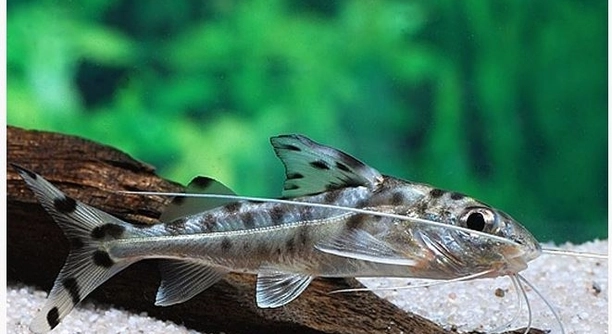
Are your Pictus catfish showing signs of sluggish movement or faded coloring despite regular care and a clean tank environment?
Improving your Pictus catfish’s health often comes down to small, consistent changes in their care routine. Enhancing water quality, adjusting diet, and ensuring adequate space can significantly boost their vitality, behavior, and overall well-being.
Each adjustment plays a role in helping your Pictus thrive, from tank setup to feeding habits and stress management.
Improve Water Quality First
A healthy tank starts with clean, stable water. For Pictus catfish, poor water conditions can lead to stress, illness, and inactivity. Test water parameters weekly to keep ammonia, nitrite, and nitrate levels in check. Stick to a consistent water change schedule—removing about 25–30% weekly. Use a water conditioner to remove chlorine and chloramine, and avoid sudden shifts in temperature or pH. Adding live plants can also help maintain stability and oxygen levels. These small actions support your catfish’s immune system and behavior. A well-maintained tank environment allows them to swim actively and display their natural curiosity.
Water changes do more than just clean the tank—they restore balance and keep toxins from building up.
Stay consistent with testing and adjustments. If the tank remains clear but fish are acting off, test hidden factors like hardness or gH/kH levels. Clean filters gently and avoid overfeeding, which can quickly throw off water chemistry.
Feed Them the Right Way
Feeding habits affect everything from energy levels to immune strength.
Pictus catfish need a varied, high-protein diet. Offer sinking pellets, live or frozen bloodworms, and the occasional vegetable like blanched zucchini. Feed them after lights are off if they hide during the day, as they’re naturally more active at night. Avoid overfeeding—uneaten food sinks and spoils water quality. Give only what they’ll eat within a few minutes. Rotate foods regularly to give them a better mix of nutrients. Avoid low-quality fillers like wheat and corn found in some pellets, as these don’t provide real benefits. Feed small amounts twice a day instead of one big meal. This keeps them active and supports proper digestion. Monitor their behavior—healthy catfish will swim and scavenge eagerly when food is offered. Over time, proper feeding leads to brighter coloring, faster growth, and more confident movement throughout the tank.
Reduce Tank Stress Factors
Loud noises, frequent tank movement, or sudden lighting changes can stress your Pictus catfish. Stress lowers immunity and increases hiding behavior. Keep the tank in a quiet area and use a consistent light-dark cycle to help them feel secure.
Tankmates also matter. Avoid aggressive or overly active fish that may nip or chase your Pictus catfish. Choose peaceful species that leave them alone. Decorations like caves or driftwood offer safe hiding spots, helping them manage stress better. Make sure your filter isn’t creating strong currents—they prefer gentle water flow. Limit tapping on the glass, and avoid moving decor frequently. Stable surroundings keep their energy focused on swimming and eating rather than hiding. Watch for signs like constant hiding, faded color, or erratic swimming—they often mean the environment needs adjusting. A calm, predictable setup helps maintain their overall health.
Environmental stability makes a visible difference. Sudden changes, even minor ones, can cause them to stay hidden or lose interest in food. Keep the lid secure, especially in shared spaces, to avoid quick light flashes or loud noises startling them. If they start swimming erratically or rubbing against objects, review recent changes in lighting, tankmates, or cleaning routines. A steady environment helps your Pictus catfish act more naturally and stay active throughout the day.
Give Them Enough Space
Cramped tanks limit movement and can cause irritability. A Pictus catfish needs at least a 55-gallon tank to thrive. Tight spaces also cause more waste buildup, which affects water quality faster. Proper room helps them swim freely and reduces stress levels overall.
They are fast swimmers with high energy, so tank size directly impacts their behavior and health. A small tank restricts their movement and increases territorial stress, especially if there are other fish. Make sure to choose a long tank rather than a tall one—horizontal space is more important for them. Use substrate that’s soft to protect their barbels, and avoid sharp decor. Large rocks or driftwood help create natural barriers without blocking their swimming lanes. If you’re housing more than one, increase tank size accordingly. An open layout with plenty of hiding places keeps them active and engaged. Proper space keeps them healthier and more social.
Maintain Proper Lighting
Pictus catfish prefer low to moderate lighting. Bright lights can make them hide more often and stay inactive. Use floating plants or dimmer settings to soften the lighting. Keep a regular day-night cycle to support natural behavior and rest.
Avoid strong light bursts, especially at night or early morning. Sudden brightness can startle them and cause erratic swimming. Use a timer for consistency, and don’t leave the tank light on 24/7. Their health improves when lighting feels predictable and gentle.
Monitor Tank Temperature
Keep the tank temperature between 74–80°F (23–27°C). Sudden drops or spikes can cause stress, illness, and loss of appetite. Use a reliable heater and thermometer to maintain a stable range. Avoid placing the tank near windows, vents, or direct sunlight. Consistency is key to helping them stay active and eat regularly.
Clean Substrate Regularly
Uneaten food and waste sink into the substrate. If not cleaned, this affects water quality and increases harmful bacteria. Vacuum the gravel weekly during water changes to keep the tank cleaner and healthier for your Pictus catfish.
FAQ
How often should I feed my Pictus catfish?
Feed them once or twice a day in small amounts. Only give what they can finish in about two to three minutes. Feeding too much can cause leftovers to rot, which lowers water quality. At night, they’re more active, so feeding them after lights go out works well. If your schedule only allows one feeding, make it consistent each day. Always rotate their food for better nutrition—use sinking pellets, frozen bloodworms, and occasional blanched vegetables like zucchini. Consistency helps with digestion, and varied meals keep them interested and energetic.
Can Pictus catfish live alone?
Yes, they can live alone, but they are more social in small groups. In the wild, they swim in schools. In tanks, keeping at least three together helps reduce stress and makes them more active. If keeping multiple, the tank should be at least 75 gallons. Don’t mix them with aggressive species, since this can lead to hiding and injury. When housed alone, they may stay hidden more often. If space and budget allow, having a few together can lead to more natural and healthier behavior.
Why is my Pictus catfish always hiding?
Hiding is normal to some degree—they’re shy and prefer dim lighting. But constant hiding may be caused by stress. Check for strong lights, aggressive tankmates, or sudden changes in temperature or water chemistry. Loud sounds or tapping can also trigger hiding. Give them enough hiding spots using caves, plants, or driftwood. If they don’t feel secure, they won’t explore. Once the environment feels safe and stable, they usually come out more often, especially during feeding.
Do they get along with other fish?
Yes, if tankmates are peaceful and similar in size. Avoid slow-swimming fish with long fins or small fish that can fit in their mouths. Good companions include silver dollars, larger tetras, or peaceful cichlids. Never keep them with aggressive or territorial species—they’ll either get chased or become stressed. Pictus catfish are active and fast, so choose species that can handle that energy level without conflict. Monitor new additions to be sure everyone gets along without issues.
What size tank do I really need?
A single Pictus catfish needs at least 55 gallons, but larger is better—especially if keeping a group. These fish swim a lot and need horizontal space. Tanks under 40 gallons can lead to stunted growth, more waste buildup, and health issues. If adding more Pictus or other fish, aim for 75 gallons or more. Bigger tanks allow better filtration, more hiding spaces, and stable water conditions. It also helps prevent aggression and gives each fish enough space to roam.
Do I need a heater for my Pictus catfish?
Yes, most homes don’t stay within their preferred temperature range of 74–80°F (23–27°C). A reliable heater keeps things steady, especially during colder months or temperature dips at night. Sudden changes can cause stress or illness. Use a thermometer to monitor daily. Don’t rely on room temperature alone—it’s not consistent enough.
What kind of filter works best?
Choose a filter that handles more than the tank’s gallon size. Canister filters or high-quality hang-on-back models work well. These fish produce a lot of waste, so strong mechanical and biological filtration is important. Keep the flow moderate—not too strong. Baffle the outflow if the current seems too harsh. Clean filters monthly to avoid buildup, but don’t replace all the media at once, or you’ll lose beneficial bacteria.
How long do Pictus catfish live?
With proper care, they can live 8 to 10 years. Clean water, a good diet, and the right tank conditions all help extend their lifespan. Skipping regular maintenance or feeding poor-quality food shortens their life. Watch for early signs of illness like weight loss, fin damage, or sluggish behavior. Early treatment and consistent care make the biggest difference in how long they live.
Can they be kept in planted tanks?
Yes, as long as the plants are hardy and well-rooted. Pictus catfish like to dig, so they might uproot soft or delicate plants. Choose plants like java fern, anubias, or Amazon swords. These hold up better and provide shade, which helps reduce stress. Floating plants are also useful for diffusing light and making them feel more secure.
Do they need air stones or extra oxygen?
They don’t require air stones, but good oxygenation helps—especially in warmer tanks, where oxygen levels drop. A filter with surface agitation usually provides enough, but adding an air stone can be helpful in heavily stocked tanks. Watch for signs of low oxygen, like gasping at the surface or sluggish movement. If that happens, increase water movement or reduce stocking levels.
Final Thoughts
Keeping your Pictus catfish healthy doesn’t require complicated tools or expensive setups. It’s more about staying consistent with the basics—clean water, a balanced diet, the right tank size, and a peaceful environment. These fish are active and sensitive, so small changes in care can lead to noticeable improvements in their behavior and energy. Things like regular water testing, stable lighting, and quiet surroundings may seem simple, but they have a big impact on how your Pictus feels and acts each day. A calm tank helps reduce hiding, encourages eating, and supports long-term health.
Feeding the right way, giving them enough space, and keeping stress levels low are all part of a routine that builds a stable environment. Avoid overcrowding the tank or skipping cleanings. Over time, neglecting small tasks adds up and affects their health. On the other hand, sticking to a schedule and staying observant will help you notice small changes early. If your catfish begins hiding more than usual, swims less, or loses color, it could be a sign that something needs adjusting. Responding quickly can prevent serious problems and keep them comfortable. Remember, these fish may not show stress right away, but they are affected by their surroundings every day.
Each tip shared in this article works together to support a balanced and healthy tank. No single step will solve every issue, but combining these changes creates a better setup overall. From lighting to feeding, and from tank size to filtration, each part plays a role in your Pictus catfish’s well-being. Taking the time to create a stable routine shows in their activity, color, and appetite. And while it may take a little effort, the reward is watching them thrive. A peaceful, clean tank isn’t just better for your fish—it also makes the whole aquarium easier to manage. By following these simple changes, you’ll give your Pictus catfish the best chance at a long, healthy life.

Hello,
If you enjoy the content that we create, please consider saying a "Thank You!" by leaving a tip.
Every little bit helps us continue crafting quality advice that supports the health, happiness, and well-being of pets around the world, for pets of all shapes, sizes, and species.
We really appreciate the kindness and support that you show us!