
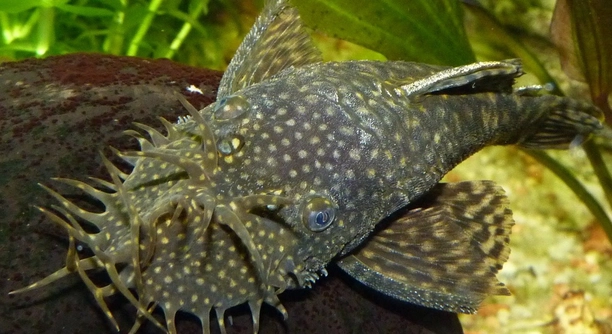
Plecos are popular fish in many aquariums due to their ability to keep tanks clean. However, they require the right amount of food to stay healthy and thrive. Sometimes, we might unintentionally underfeed them, affecting their well-being.
Underfeeding your pleco can lead to poor health and stunted growth. Signs such as weight loss, lack of energy, or unusual behavior may indicate that your pleco isn’t getting enough to eat. Proper nutrition is crucial for their overall health.
Learning to recognize the signs of underfeeding is essential for maintaining your pleco’s health. Understanding how to properly feed your pleco will help ensure they stay strong and active in your aquarium.
Sign 1: Your Pleco Is Losing Weight
Plecos need a steady, balanced diet to stay healthy. If you notice your pleco becoming thinner over time, it may not be getting enough food. They typically require a mix of algae, sinking pellets, and occasional treats like vegetables. If you’ve been feeding them the same amount but they seem to be losing weight, underfeeding could be the issue.
A loss of weight is a sign that their caloric intake isn’t meeting their needs. This could happen if you’re not feeding them the right food or if there aren’t enough food options available.
In the wild, plecos graze on algae, plants, and organic matter throughout the day. In captivity, they depend on you to provide these resources. If they’re not eating enough, their bodies won’t have the energy to thrive, resulting in weight loss. Make sure to adjust their diet if necessary and offer a variety of foods like blanched zucchini, algae wafers, or other sinking foods. Regular monitoring of their appearance and weight will help you catch any feeding issues early on.
Sign 2: Lack of Energy
A lack of energy in your pleco might be a result of underfeeding. When plecos are not given enough food, they won’t have the energy to actively explore the tank or engage in typical behaviors.
If your pleco is constantly hiding and avoiding movement, it could be a sign that it’s not receiving enough nutrition. When they’re not getting enough food, their body prioritizes basic functions, leaving less energy for their natural activities.
Plecos are nocturnal, meaning they are most active at night. If your pleco is sluggish during the day and night, it may not be eating enough to sustain its energy levels. A lack of energy might also cause them to be less interested in exploring the tank, leaving them in hiding spots. Make sure you provide a suitable feeding routine, offering food at night when your pleco is most active. By doing so, you can encourage healthier behavior and keep your pleco from becoming too lethargic.
Sign 3: Changes in Behavior
When plecos are underfed, their behavior may change noticeably. They may become more reclusive, hiding in dark corners or spending more time at the bottom of the tank.
Plecos are usually curious and active, especially at night. If you notice a shift in their usual behavior, it could be a sign they aren’t eating enough. If their energy isn’t being fueled properly, they might not have the motivation to explore or interact with their environment. This shift could also be linked to stress caused by hunger or inadequate nutrition.
Underfed plecos might also show unusual swimming patterns or refuse food. They may ignore the food you offer, or seem uninterested in the usual feeding areas. This can be concerning, as it indicates they’re not motivated to eat or they simply don’t have the energy to do so. Providing a more consistent and varied feeding schedule can help bring your pleco’s behavior back to normal.
Sign 4: Your Pleco Is Becoming More Aggressive
If your pleco starts showing aggression toward other tank mates or even you, underfeeding might be the cause. When plecos are not properly fed, they can get stressed or frustrated, leading to hostile behavior.
Aggression can stem from hunger, as plecos may try to compete for food when they feel deprived. When your pleco isn’t getting enough food, it may become more territorial or display signs of irritability. This can manifest in chasing other fish, pushing them away from food sources, or aggressively defending hiding spots. It’s important to monitor their interaction with other fish and ensure they’re receiving a proper diet.
A diet rich in variety and sufficient quantity can reduce this behavior. Proper feeding habits not only keep your pleco satisfied but also create a more peaceful and balanced environment in your tank. By paying attention to their food intake, you can reduce any aggression and maintain a healthier, more harmonious tank ecosystem.
Sign 5: Visible Physical Symptoms
Underfeeding can lead to visible physical symptoms, such as a sunken belly or dull skin. These signs indicate that your pleco’s body isn’t receiving the nutrients it needs to stay healthy.
If the belly of your pleco looks noticeably concave or its skin loses its vibrant color, this is a red flag. These symptoms suggest malnutrition, which can weaken your pleco’s immune system, making them more vulnerable to illness. This physical condition usually worsens the longer the underfeeding persists. Make sure to offer a balanced diet and monitor their condition closely.
Sign 6: Excessive Algae Build-Up
Plecos are known for eating algae in the tank, but if there’s an excessive amount of algae still present, it could be a sign they’re not eating enough. Underfed plecos may not have the energy to clean as they normally would.
If your pleco is consistently leaving algae untouched, they may be too weak or uninterested in eating it due to hunger. Regular cleaning should be part of their routine, so a lack of algae consumption can show that they’re not getting enough sustenance from their diet.
Proper feeding will help your pleco regain the strength to do their part in cleaning the tank and prevent excess algae buildup.
FAQ
How often should I feed my pleco?
Feeding your pleco 2 to 3 times a week is generally enough, though it can vary depending on the species. Younger plecos may need more frequent feedings to support their growth, while adults may only need food every other day. The key is to avoid overfeeding, as uneaten food can affect water quality. Offer a variety of foods, such as sinking pellets, algae wafers, and blanched vegetables like zucchini or cucumber. Monitor their eating habits to make sure they’re getting enough without leaving excess food in the tank.
Can plecos survive on algae alone?
Algae is a natural food source for plecos, but it doesn’t provide all the nutrients they need. While plecos are great algae eaters, they also require additional foods to stay healthy. Supplementing their diet with sinking pellets, vegetables, or occasional protein sources is crucial. If your tank lacks natural algae growth, it’s even more important to provide other food options. A balanced diet helps ensure that your pleco gets the variety of nutrients it needs for optimal health.
What foods are best for plecos?
Plecos do well with a variety of foods, including sinking pellets, algae wafers, and blanched vegetables like zucchini, spinach, and cucumber. You can also offer them occasional protein-rich foods like bloodworms or brine shrimp. It’s important to rotate these foods regularly to provide balanced nutrition. The right combination of plant matter and proteins will help your pleco stay healthy and active. Avoid offering foods that are high in fat or low in nutritional value, as they can lead to health problems over time.
How do I know if I’m feeding my pleco enough?
If your pleco is eating all the food you provide within a reasonable time and seems active and healthy, you’re likely feeding them enough. However, if you notice your pleco losing weight, showing lethargy, or leaving food uneaten for extended periods, it might be a sign that they need more or better-quality food. Keep an eye on their behavior and appearance, and adjust the amount or type of food you offer as necessary.
Can underfeeding cause long-term damage to my pleco?
Yes, underfeeding can lead to long-term health issues for your pleco. Malnutrition can weaken their immune system, making them more susceptible to disease. It can also stunt their growth and cause physical problems, such as a sunken belly or dull skin. Chronic underfeeding might even shorten their lifespan. Providing a balanced, consistent diet is essential for maintaining your pleco’s health and ensuring they live a long, happy life.
What are some signs of a well-fed pleco?
A healthy, well-fed pleco is usually active, with a healthy, plump body and vibrant skin color. They will actively graze on algae, come out to eat regularly, and explore their tank. You’ll also notice that they have good energy levels, especially during the evening when they’re most active. Additionally, a well-fed pleco will not show any signs of aggression or stress, and they should have a shiny, smooth appearance. Regular feeding helps them maintain their strength and vitality.
Can I overfeed my pleco?
Yes, overfeeding is just as harmful as underfeeding. Excess food can lead to obesity, poor water quality, and increased waste in the tank, which may cause ammonia spikes and harm your fish. It’s important to feed your pleco the right amount, ensuring they finish their meal within a few hours. Remove any uneaten food to avoid water contamination. Offering smaller portions regularly and adjusting based on their eating habits can help keep your pleco healthy without overfeeding.
What can I do if my pleco won’t eat?
If your pleco isn’t eating, try offering a variety of foods. Some plecos can be picky or sensitive to changes in diet. If they seem uninterested in one type of food, try offering something different, like blanched vegetables, sinking pellets, or algae wafers. Ensure that the water conditions in the tank are optimal, as poor water quality can make them lose their appetite. If your pleco’s lack of interest in food persists, check for signs of illness or stress. It may also be helpful to feed them during their active hours at night.
Are plecos more likely to underfeed if they live with other fish?
In some cases, plecos may not get enough food if they are sharing the tank with other, more aggressive fish. Other fish might compete for food or eat faster, leaving the pleco without enough to eat. To ensure your pleco is well-fed, consider feeding it in a separate area of the tank or at a time when other fish are less active. Alternatively, you can offer foods that sink to the bottom, which plecos prefer. This gives them time to eat without competition.
Can underfeeding plecos cause them to become more aggressive?
Yes, underfeeding can lead to aggression in plecos. When plecos are hungry and not receiving enough food, they may act defensively, especially when competing for limited food sources. This can result in territorial behavior or even aggression toward tank mates. To prevent this, ensure that your pleco has enough food and consider feeding them in a way that minimizes competition, such as offering sinking food or feeding at night when the tank is quieter. A well-fed pleco is less likely to display aggression.
Final Thoughts
Feeding your pleco the right amount of food is crucial for its overall health and well-being. Underfeeding can lead to several issues, including weight loss, lack of energy, and even behavioral changes. While plecos can survive on algae, it’s important to provide them with a varied diet that includes sinking pellets, vegetables, and occasional protein. A balanced diet helps keep your pleco active, healthy, and in a good mood. Monitoring their eating habits and adjusting their food intake as needed will ensure that they stay strong and thriving in your tank.
It’s easy to overlook the feeding habits of your pleco, especially if you’re busy or if algae is naturally present in the tank. However, neglecting to feed your pleco enough can lead to long-term health issues. You might notice changes in their physical appearance, such as a sunken belly or dull skin, as well as a decrease in their energy levels. If these signs show up, it’s a clear indication that your pleco isn’t getting the food it needs to maintain its health. Always observe your pleco’s behavior and appearance to catch potential feeding problems early on.
Overall, understanding the signs of underfeeding and making adjustments is key to providing the best care for your pleco. A well-fed pleco will display healthy growth, active behavior, and vibrant coloration. By offering a variety of food options and making sure your pleco is eating enough, you can avoid many of the issues associated with underfeeding. Proper feeding not only improves your pleco’s health but also creates a more peaceful and balanced environment in your aquarium. Keep an eye on your pleco’s habits and make sure they’re getting the nutrition they need to live a long, happy life.

Hello,
If you enjoy the content that we create, please consider saying a "Thank You!" by leaving a tip.
Every little bit helps us continue crafting quality advice that supports the health, happiness, and well-being of pets around the world, for pets of all shapes, sizes, and species.
We really appreciate the kindness and support that you show us!