
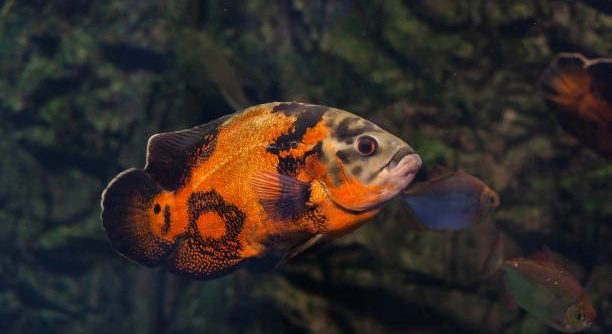
Overstimulating your Oscar fish can lead to unexpected changes in behavior and health. It’s important to understand the signs of over-stimulation to ensure your fish remains happy and healthy in its environment.
Overstimulating your Oscar can result in excessive aggression, erratic swimming patterns, or stress. Factors such as loud noises, bright lighting, or overcrowding may cause discomfort. Observing behavioral changes can help identify and address these issues early on.
Understanding these signs can help you create a better habitat for your Oscar. Taking simple steps will improve their well-being and make a noticeable difference in their behavior.
Overcrowding Your Oscar
If your Oscar fish is housed in an overcrowded tank, it can become stressed quickly. When too many fish are present, competition for space and resources intensifies. This creates an environment where your Oscar may feel threatened, leading to aggressive behavior or signs of distress. Fish in crowded tanks are more likely to display erratic movements, and your Oscar may become territorial, leading to more fights. Overcrowding can also reduce water quality, as more fish means more waste, which can harm your Oscar’s health.
Your Oscar may start to exhibit signs of aggression, like chasing or nipping at other fish. These behaviors are often linked to their need for personal space. It is crucial to ensure the tank size is adequate for the number of fish living in it.
For optimal health, an Oscar needs sufficient swimming space. A general rule of thumb is to provide at least 55 gallons of water for one adult Oscar. In a spacious environment, your Oscar will feel more secure and behave more naturally.
Unstable Water Conditions
Oscars are sensitive to water quality, and unstable conditions can affect their well-being. Fluctuations in temperature, pH levels, or ammonia levels can stress the fish. A sudden change in water conditions might cause your Oscar to become lethargic or agitated. It can even lead to long-term health issues if not corrected quickly.
Maintaining a stable environment is key to keeping your Oscar healthy. Regular water testing and proper filtration are essential to monitor the water quality. A sudden drop in temperature can make them feel unwell, while high ammonia levels can burn their gills, leaving them unable to breathe properly.
Establishing a proper routine for water changes is essential. Oscars thrive in water that is between 75°F to 80°F, with a pH level around 6.5 to 7.5. Regular checks will prevent unseen issues and allow you to make adjustments as needed. This helps your Oscar live a long, healthy life.
Bright, Harsh Lighting
Oscars prefer low-light environments, and bright, harsh lighting can overstimulate them. They are sensitive to sudden changes in light, which can cause stress and discomfort. Prolonged exposure to bright lights may cause your Oscar to hide or exhibit more aggressive behavior.
Oscars naturally thrive in dimmer environments. If the lighting in your tank is too bright or flickers, your Oscar may become restless, swimming erratically or pacing in the corner. They might also become more aggressive toward tank mates. A dimmer light or using natural light can help make your Oscar feel more secure and calm.
To keep your Oscar comfortable, consider using a subdued light source, such as LED lights with a lower intensity. Set a consistent day and night cycle with the lighting to mimic natural conditions, which can help reduce stress levels. This small adjustment can make a noticeable difference in their behavior.
Poor Tank Maintenance
Tank maintenance is crucial for your Oscar’s health. Without regular cleaning and proper care, the tank can quickly become unhealthy, leading to stress and health issues for your fish. Dirty tanks create poor water quality, which can harm the fish.
Over time, uneaten food, fish waste, and algae can build up in the tank, affecting water conditions and increasing harmful bacteria. Oscars are sensitive to these changes, and poor water quality can make them prone to diseases and discomfort. Regular water changes, filter maintenance, and tank cleaning will help keep the environment healthy.
Make sure to check the water parameters regularly, including ammonia, nitrite, and nitrate levels. A tank with stable conditions will provide your Oscar with the healthiest environment. This ensures your Oscar can thrive and avoid the stress caused by dirty water.
Loud Noises
Oscars are sensitive to noise. Constant loud sounds can cause stress, making your fish feel threatened. This overstimulation can result in erratic swimming, aggression, or hiding. Keeping the environment peaceful is essential for maintaining their well-being.
Exposure to loud sounds, such as heavy traffic, music, or household appliances, can disrupt their calm behavior. Over time, this may affect their health and behavior, leading to more anxiety. Try to place your tank in a quieter area where the fish won’t be disturbed by constant noise.
Incompatible Tank Mates
Introducing tank mates that aren’t compatible with your Oscar can cause stress and aggression. Oscars are territorial and may not tolerate other fish, especially if they feel threatened or crowded. Aggressive encounters can lead to injuries or even death for the weaker fish.
Choosing tank mates that share similar temperaments and sizes is key to reducing aggression. Oscars can do well with large, peaceful fish, but anything smaller may become a target. Ensure that your tank has enough space to allow each fish to establish their own territory. This prevents constant conflicts, keeping everyone safe and healthy.
Overfeeding
Overfeeding your Oscar can lead to stress and health problems, such as obesity or digestive issues. It’s easy to give in to their hungry appearance, but it’s important to stick to a proper feeding schedule. Feeding them too much at once will only create waste and disrupt water quality.
Overfeeding also contributes to poor water conditions, which further stresses your Oscar. Stick to a feeding routine that matches their size and activity level. Typically, once or twice a day is sufficient for most Oscars. By giving them the proper amount of food, you maintain both their health and the tank environment.
FAQ
What are the signs of an overstimulated Oscar?
An overstimulated Oscar can show several signs of stress. You might notice increased aggression, like chasing or nipping at other fish. They may also swim erratically or hide more than usual. Oscars may rub themselves against objects in the tank, a sign of discomfort. They could become lethargic, losing their usual interest in food. If you see these behaviors, it’s likely the fish is experiencing overstimulation and needs a calmer environment.
Can I keep other fish with my Oscar?
Oscars can be kept with other fish, but it’s important to choose compatible tank mates. They are territorial and may become aggressive toward smaller fish or anything that enters their territory. Larger, peaceful fish such as larger cichlids or plecos can usually coexist with Oscars, but it’s vital to ensure enough space is available. Avoid smaller fish or those that are overly active, as these can provoke your Oscar and lead to aggression.
How much space does my Oscar need?
An Oscar requires a large tank to thrive. The general recommendation is at least 55 gallons of water for a single adult Oscar. For every additional Oscar, you should add about 30 gallons to the tank. Oscars need ample space to swim comfortably, and a larger tank will help reduce territorial behavior and keep them calm.
What is the ideal water temperature for Oscars?
Oscars prefer water temperatures between 75°F and 80°F (24°C to 27°C). Keeping the water within this range helps maintain their health and comfort. Sudden temperature fluctuations can stress your Oscar, so it’s essential to use a reliable heater and thermometer to ensure stable conditions.
How often should I clean my Oscar’s tank?
You should clean your Oscar’s tank regularly to maintain good water quality. A partial water change of 20-30% once a week is usually sufficient, but this may vary depending on the tank’s size and filtration system. Always check the water parameters like ammonia, nitrate, and nitrite levels before cleaning. You should also clean the tank’s decorations and substrate to prevent algae buildup and excess waste.
Why is my Oscar hiding all the time?
Oscars can hide for various reasons. If your Oscar is hiding frequently, it may be due to stress from environmental factors like bright lighting, loud noises, or overcrowding. It could also be a sign of illness or discomfort. If the hiding persists and is accompanied by other symptoms like lack of appetite or lethargy, it’s worth checking the water quality and examining the fish for any signs of disease.
Can I feed my Oscar live food?
While Oscars can eat live food, it’s important to approach it cautiously. Live food can introduce parasites or bacteria into the tank, which can harm your fish. If you choose to feed live food, make sure it’s from a trusted source and properly cleaned. Additionally, live food should only be a small part of their diet, as it doesn’t provide all the necessary nutrients. A varied diet of high-quality pellets and occasional treats like frozen food is better for their health.
How do I reduce Oscar aggression?
To reduce aggression in Oscars, it’s essential to minimize factors that stress them out. Make sure your Oscar has a spacious tank with enough hiding places. Avoid keeping too many tank mates, especially those that may trigger territorial behavior. Keeping the water clean and stable, with proper filtration and temperature, also helps to reduce stress. In some cases, separating overly aggressive Oscars from other fish or adding more hiding spaces can ease tensions.
Why is my Oscar not eating?
A loss of appetite in your Oscar could be due to several reasons, including stress, illness, or poor water conditions. Overstimulated Oscars may lose interest in food if they feel threatened or uneasy. Check the water parameters, as poor water quality can lead to a lack of appetite. If the problem persists, observe for signs of illness, such as abnormal swimming or spots on the skin, and consider consulting a veterinarian specializing in fish health.
How can I improve my Oscar’s water quality?
Improving water quality starts with maintaining proper filtration and performing regular water changes. A good filtration system helps keep the water clear by removing waste and toxins. Test the water frequently for ammonia, nitrites, and nitrates, ensuring they remain at safe levels. Performing a 20-30% water change once a week helps keep the tank fresh. Additionally, avoid overfeeding to reduce waste buildup in the tank.
Is my Oscar sick? How can I tell?
If your Oscar is sick, you may notice changes in behavior such as lethargy, loss of appetite, or unusual swimming patterns. Look for physical signs like spots on their skin, bloated abdomen, or frayed fins. A pale or discolored Oscar may indicate an issue. If you observe these symptoms, check the water parameters first, as poor water quality can often be the cause. If symptoms persist, it’s best to consult a vet or a fish specialist for diagnosis and treatment.
Final Thoughts
Taking care of an Oscar fish involves more than just feeding it and providing a tank. These fish are sensitive to their environment and need proper space, water conditions, and stimulation to thrive. Overstimulating your Oscar can lead to stress, which can affect its health and behavior. It’s essential to observe your fish regularly and ensure that its environment is calm and suitable for its needs. Recognizing signs of overstimulation, like erratic swimming or hiding, can help you make adjustments before the situation worsens.
Maintaining good water quality is one of the most critical factors in keeping your Oscar healthy. Regular water changes, proper filtration, and monitoring the water parameters help prevent issues that could lead to stress or illness. A clean and stable environment is the foundation for a happy and healthy Oscar. Remember that Oscars are messy eaters, so keeping the tank clean by removing uneaten food and waste will improve the overall water quality. Proper tank maintenance is time-consuming but crucial for your fish’s well-being.
Finally, patience and attention are key when caring for an Oscar. These fish have unique personalities, and while they can be very rewarding to care for, they require consistent care and attention. If you notice signs of overstimulation, stress, or health issues, make sure to address the root causes immediately. Whether it’s adjusting the water temperature, changing tank mates, or improving the overall tank setup, making small changes can greatly improve your Oscar’s quality of life. Keeping your Oscar happy and healthy means giving it the proper environment to thrive in.

Hello,
If you enjoy the content that we create, please consider saying a "Thank You!" by leaving a tip.
Every little bit helps us continue crafting quality advice that supports the health, happiness, and well-being of pets around the world, for pets of all shapes, sizes, and species.
We really appreciate the kindness and support that you show us!