
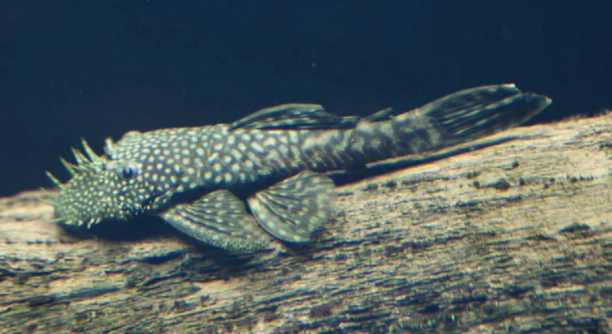
If you own a pleco, you know how important it is to maintain a proper tank environment. However, overcrowding is a common issue that can harm your fish and cause stress. It’s vital to recognize when it’s happening.
Overcrowding your pleco tank can lead to poor water quality, lack of oxygen, and increased competition for food. This results in stressed fish, stunted growth, and an increased risk of disease. Regular monitoring and tank management are key.
Taking steps to maintain a healthy tank will help ensure your pleco thrives. By addressing overcrowding early, you can avoid serious problems and keep your tank’s environment balanced for all your aquatic life.
1. Tank Size Matters
When setting up a pleco tank, the size of the tank plays a crucial role in their well-being. Plecos can grow quite large, so it’s important to provide enough space. A 75-gallon tank is generally considered a minimum for most plecos. If your pleco is confined to a smaller tank, the environment becomes cramped, limiting their movement. This can lead to stress, which impacts their overall health. Additionally, if you add more fish or plants to the tank, it can quickly become overcrowded, further worsening the problem.
It’s tempting to add more fish or decorations, but keep in mind that plecos need room to grow and thrive. Overcrowding leads to issues that are difficult to reverse once they happen. Properly sized tanks help maintain a healthier ecosystem for your pleco and the other tank mates.
If your tank is too small, the water quality also deteriorates faster. With limited space, waste accumulates more quickly, and plecos may struggle to get enough oxygen. A larger tank ensures better water circulation and filtration, reducing stress on your pleco and keeping them happy.
2. The Number of Fish
Overcrowding happens quickly when you add too many fish. If your pleco is sharing space with too many other creatures, things can get chaotic. When choosing fish to live with a pleco, make sure to consider the size and activity level of the species. Some fish are more territorial and might cause stress to your pleco.
Each fish in your tank contributes to the waste load, and in a crowded tank, this waste can quickly overwhelm your filtration system. As the fish compete for space, oxygen, and food, the stress levels rise, and diseases become more likely. Plecos need adequate space and resources to feel secure and healthy.
For a balanced tank, consider the types of fish you add. Smaller or less active species may fare better with a pleco. Avoid overcrowding with fast-moving or overly aggressive fish, as this can disturb your pleco’s peace and well-being. Each fish, including your pleco, should have room to move comfortably.
3. Poor Filtration
Good filtration is essential to maintain clean water, especially in a tank with multiple fish. Without proper filtration, waste builds up quickly, leading to toxic water conditions. Your pleco, along with other fish, can easily suffer from poor water quality.
A strong filtration system removes debris and toxins from the water, helping to keep the environment stable. When there’s overcrowding, the filter struggles to keep up, resulting in dirty water. This can stress your pleco and lead to health problems, including skin issues and diseases.
To ensure your pleco remains healthy, invest in a high-quality filter suitable for your tank size. You may need to upgrade the filter if you’re housing multiple fish or larger plecos. Regularly cleaning the filter and replacing its media will also keep the tank water fresh.
4. Lack of Hiding Spaces
Plecos enjoy having places to hide when they feel stressed. Without enough hiding spots, they may feel exposed, which can affect their behavior. Overcrowded tanks often lack these essential hiding places, leading to increased stress.
If your pleco doesn’t have a safe spot to retreat, it may become more anxious or aggressive, impacting its overall health. Providing caves, plants, or decorations that offer shelter is crucial for your pleco’s mental well-being. This is especially important if your tank is shared with other active or territorial fish.
Consider adding natural decorations like driftwood or rocks. These items provide both a hiding place and help mimic the pleco’s natural environment. Hiding spaces also allow your pleco to rest in peace, away from other tank mates. The more you create a comfortable space, the healthier your pleco will be.
5. Overfeeding
Overfeeding is a common problem in overcrowded tanks. Excess food quickly accumulates, polluting the water. This leads to poor water quality, which harms your pleco and other tank mates. A cleaner tank is essential for your fish’s health.
When feeding your pleco, be mindful of the amount and type of food. Excessive food rots and contributes to harmful toxins. This puts additional strain on the filtration system, making it even harder to keep the tank clean. Keep feeding sessions controlled and only offer what can be eaten in a short time.
Proper feeding habits help ensure your pleco stays healthy, as overfeeding can lead to poor water conditions. Take care to monitor how much your pleco eats, and remove any uneaten food after a few hours. This minimizes waste and maintains a cleaner environment for all tank inhabitants.
6. Lack of Proper Oxygenation
Plecos, like all fish, need sufficient oxygen to thrive. In overcrowded tanks, oxygen levels drop quickly due to the increased number of fish and waste. A lack of oxygen can lead to serious health problems.
Overcrowding limits water circulation and reduces oxygen exchange, which affects your pleco’s well-being. Installing air stones or additional water pumps helps improve oxygen levels. Keeping water movement consistent also ensures that oxygen is properly distributed throughout the tank.
When there is sufficient oxygen, your pleco will be more active, feeding better, and less stressed. Proper oxygenation is essential for preventing diseases and keeping the water quality in check.
FAQ
What size tank does a pleco need?
A pleco requires a tank that is at least 75 gallons, especially if you have a larger species. Smaller tanks restrict movement, and plecos can grow quite large. If your pleco is in a smaller space, you might notice a slower growth rate or increased stress. Overcrowding in small tanks can lead to health problems, including stunted growth and increased susceptibility to diseases. Make sure you have enough space for your pleco to grow to its full size, while also accommodating other tank mates if necessary.
How often should I feed my pleco?
Feeding your pleco twice or three times a week is sufficient, depending on the size and age of the fish. Plecos are bottom feeders, and they graze on algae naturally, so they don’t need to be fed as frequently as other fish. Overfeeding can result in excess waste, which negatively affects water quality. Avoid leaving uneaten food in the tank to prevent it from rotting and polluting the water. Stick to small portions and only offer as much food as your pleco can consume in a short period.
How do I prevent overcrowding in my pleco tank?
To prevent overcrowding, ensure you choose a tank size that allows for enough space for each fish. Consider the adult size of all your fish before adding them to the tank. For plecos, a 75-gallon tank is a good starting point. You should also take into account the type of tank mates you add. Fast-moving or territorial fish can make the tank feel even smaller, causing stress for your pleco. Regularly monitor your fish population and avoid adding too many fish at once.
What are the signs of stress in a pleco?
Stress in a pleco can manifest in a few different ways. Your pleco might become more reclusive, staying hidden for longer periods. You might notice changes in their eating habits, such as eating less or refusing food. Stress can also cause your pleco to develop skin issues, such as torn fins or discoloration. If your pleco starts showing signs of aggression or becomes more lethargic, it may be an indicator that something in the tank environment is off, such as overcrowding, poor water quality, or unsuitable tank mates.
How can I improve the water quality in my pleco tank?
Improving water quality starts with regular maintenance. Change at least 25% of the water every two weeks to keep the water fresh. Invest in a good filtration system suited for your tank size. Keep the filter clean, and replace its media as recommended. Make sure the water parameters—such as temperature, pH, and hardness—are within the appropriate range for plecos. Test the water regularly and monitor ammonia, nitrites, and nitrates levels. A good filtration system, regular water changes, and not overfeeding will help maintain optimal water quality.
Can I keep multiple plecos in the same tank?
It’s possible to keep multiple plecos in the same tank, but you need to be mindful of space. Plecos are territorial and can become aggressive with each other, especially if they feel crowded. If you plan to keep more than one pleco, ensure that the tank is large enough to accommodate them and provide enough hiding spaces. Larger tanks, such as 100 gallons or more, are better suited for multiple plecos, as they will have room to establish their own territories. Avoid keeping too many plecos in a tank, as it can lead to overcrowding and stress.
What types of fish can live with plecos?
Plecos are generally peaceful fish and can live with a variety of other species. However, it’s important to choose tank mates carefully. Avoid overly aggressive or fast-moving fish that might stress out your pleco. Good tank mates include peaceful, slow-moving fish like tetras, guppies, and other bottom-dwellers. Ensure that there are enough hiding spaces for your pleco to retreat to if needed. Some species, such as angelfish or cichlids, may not be ideal due to their territorial nature. Always research the specific needs of any tank mates before introducing them.
How do I maintain proper oxygen levels in my pleco tank?
Proper oxygenation is essential, especially in a tank with multiple fish. To maintain oxygen levels, use air stones or water pumps that promote good water circulation. Plecos thrive in well-oxygenated water, so adding a strong filter with a good flow rate can help. Regular water changes also ensure that oxygen levels remain stable. Avoid overcrowding the tank, as too many fish will deplete the oxygen levels. Also, check the surface of the water—if there’s a lack of movement, you might need to adjust the water flow to improve oxygen exchange.
What is the best way to clean my pleco tank?
Cleaning your pleco tank requires regular maintenance to keep the environment healthy. Start by performing partial water changes every two weeks to remove waste and refresh the water. Clean the decorations and substrate by vacuuming the gravel to remove uneaten food and waste. Be sure to clean the filter media regularly but avoid over-cleaning, as it may disrupt the beneficial bacteria. When cleaning, avoid using soap or chemicals that could harm your pleco. Regular maintenance will help maintain a clean and healthy environment for your pleco and other tank mates.
Final Thoughts
Overcrowding a pleco tank can lead to a range of problems that impact the health and well-being of your fish. When the tank is too full, the water quality often suffers, which makes it difficult to maintain a stable environment for your pleco. Without enough space to swim, plecos can become stressed and even aggressive. Stress leads to a weakened immune system, making them more vulnerable to diseases. It’s essential to keep the tank size appropriate for the number of fish you have to ensure everyone thrives.
Proper tank care, including regular water changes, appropriate filtration, and a balanced fish population, can go a long way in preventing overcrowding. It’s important to remember that plecos need enough space not just for swimming, but for resting and feeding. If you find that your pleco is hiding more than usual or exhibiting unusual behavior, it could be a sign that the tank is too crowded. Overfeeding is another factor that can contribute to poor water quality, so it’s best to feed your pleco in moderation and remove any uneaten food promptly.
Ultimately, creating a healthy environment for your pleco involves more than just avoiding overcrowding. It requires attention to water quality, proper feeding practices, and understanding your pleco’s needs. By ensuring they have enough space, hiding spots, and clean water, you’ll help your pleco live a long and healthy life. A well-maintained tank with a balanced fish population is key to preventing the stress and health issues that can arise from overcrowding.

Hello,
If you enjoy the content that we create, please consider saying a "Thank You!" by leaving a tip.
Every little bit helps us continue crafting quality advice that supports the health, happiness, and well-being of pets around the world, for pets of all shapes, sizes, and species.
We really appreciate the kindness and support that you show us!