
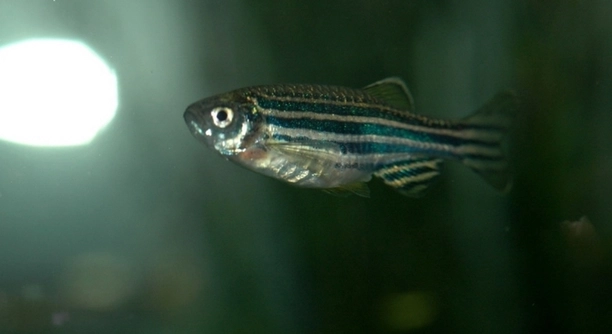
Zebra Danios are a popular choice for aquarium owners. If you keep these lively fish, you may wonder when they are ready to mate. Understanding their behavior can help you identify the right time for breeding.
Zebra Danios typically show signs of readiness to mate through increased activity, color changes, and specific behavior patterns. Male Danios become more vibrant in color, and males chase females around the tank, which is a key mating indicator.
These signs will help you ensure successful breeding for your Zebra Danios.
Increased Activity in the Tank
When your Zebra Danios are preparing to mate, they will display more energy than usual. This increased activity is a clear signal. The males will swim around rapidly, chasing each other and the females. You may also notice some aggressive behavior as the males compete for attention. The females might appear less active, focusing on staying close to areas where they feel safe. It’s during this time that the males will become more noticeable, darting around and trying to impress the females with their speed and agility.
Their constant movement is a strong sign that they are ready for mating. You might also see the males making quick movements in front of the females to grab their attention. At this point, it’s important to keep the tank well-maintained to avoid stress. Stress can cause them to stop showing interest in mating.
Keeping an eye on their activity can help you spot when they are ready to mate. When you observe males engaging in constant chasing and showing off, it’s likely they are ready to breed. The females may not be as fast, but their presence will encourage the males to persist with their efforts. Monitoring their behavior will help ensure that you are ready when mating takes place.
Color Changes
As Zebra Danios get ready to mate, the males will become more vibrant in color. They typically develop brighter hues, especially along their sides and fins. This change serves to attract the females. In addition to the increased color, males may also begin to display more assertive behaviors, like chasing the females or swimming in tight circles around them. If the males have darkened or intensified colors, it’s often a sign that they are in peak condition for mating.
The color shift is natural during the breeding season. It helps signal their readiness and displays the health and vitality of the males to potential mates. This visual cue is important for helping the female Danios select a mate. Males that have brighter colors are more likely to get attention from the females.
This color change not only plays a role in mating but also demonstrates the overall health of the fish. When males are at their most vibrant, they signal that they are physically prepared for reproduction. This visual clue makes it easier for you to identify which fish are in optimal condition for mating.
Aggressive Mating Rituals
As the Zebra Danios prepare for mating, males become more assertive and aggressive. They chase the females around the tank in a display of dominance, showing off their strength and speed. This is a typical part of their mating ritual. During this time, the males will try to get the female’s attention by nipping at her fins or swimming quickly in front of her. These actions help the males establish their fitness and increase their chances of successful mating.
The aggressive chasing can sometimes become intense, with the male making multiple attempts to corner the female. Despite the intensity, these behaviors are natural and usually not harmful. It’s simply part of the Danios’ mating strategy, where males compete to win over the females. The females often try to evade these advances, only to eventually choose the male they find most appealing.
If you’re observing these behaviors, it’s a good indication that the mating season is in full swing. Keep an eye on the tank to ensure no fish get overly stressed, as too much stress can lead to injuries or disrupted breeding cycles. Allow the natural process to unfold, and your Zebra Danios will likely be ready to mate soon.
Mating Dance
During mating, the males will display a unique swimming pattern known as a “mating dance.” This involves quick, circular movements around the females, often with rapid bursts of speed. The males will try to lead the females towards the breeding areas.
The mating dance is not only about attracting the female but also about demonstrating the male’s fitness. The males use this behavior to show off their strength, speed, and stamina. As the males continue their dance, the females will assess which male is the most suitable mate. The dance is a direct indicator of the male’s readiness for breeding.
While it may seem like playful behavior, it is actually a critical part of the mating ritual. The males’ display of agility and persistence increases the chances of successful reproduction. Keep an eye on these dances as they are clear signals that the mating process is underway.
Nesting Behavior
Zebra Danios will often start exhibiting nesting behavior as part of their mating process. The females, in particular, will search for areas with plants or decorations where they can lay eggs. This is where they feel safest, and the males will follow closely behind.
The males will often position themselves near the female as she searches for a good spot. Once she finds a suitable location, she will begin laying her eggs. The males will then fertilize the eggs, ensuring the next generation is on its way. This behavior indicates that the mating process is progressing, and the environment is suitable for breeding.
If you notice this nesting behavior, it’s essential to provide your Danios with plenty of hiding spots in the tank. This helps the females feel secure enough to lay their eggs, increasing the chances of a successful breeding session.
Increased Aggression Among Males
As the breeding period approaches, male Zebra Danios will often show increased aggression towards each other. They’ll chase, nip, and display dominant behaviors to compete for the attention of females. This aggression is a natural part of their mating ritual.
The heightened aggression is usually temporary and focused on gaining access to the female. Males will establish territories and show off their physical strength, which is crucial in attracting a mate. This behavior helps ensure that the strongest and most fit males have the best chance of reproducing.
Watching for these aggressive interactions is another way to spot when your Danios are getting ready to mate. Males will become more territorial and persistent, signaling that breeding season is near.
Selecting the Right Mate
During mating season, female Zebra Danios will display certain preferences when choosing a mate. They are more likely to choose males with brighter colors and superior swimming abilities. This selection process is natural and ensures the best genetic outcomes for the next generation.
The female will often be selective, avoiding overly aggressive males or those that seem less fit. It’s important to provide an environment where the female feels comfortable enough to make her choice. Keeping your tank clean and well-maintained will help with this process.
Observing the Females
While the males are active and aggressive, the females will often appear more passive. They focus on finding safe, secure areas to lay their eggs. This behavior contrasts with the males’ frantic displays and shows that they are ready to mate.
FAQ
What is the best environment for Zebra Danios to mate?
Zebra Danios thrive in tanks with plenty of space to swim and hide. They prefer a well-planted tank with areas where they can feel safe. Ensure the water is clean and well-filtered, as Danios are sensitive to poor water quality. Maintain a temperature between 72°F and 78°F (22°C to 26°C), and a pH range of 6.5 to 7.5. A stable environment encourages natural breeding behaviors. You can also add plants such as Java Moss or fine-leaved plants, which provide hiding spaces and improve the chances of successful egg-laying.
How long does it take for Zebra Danios to mate?
Mating can happen quite quickly. Once the males have displayed their vibrant colors and performed the mating dance, the female may lay eggs within a few hours. The actual process, from the first signs of mating behavior to egg-laying, typically takes between one to two days. After fertilization, the eggs will hatch in about 2-3 days. However, depending on the water temperature, this could vary slightly.
How can I tell when my Zebra Danio is ready to lay eggs?
When the female Danio is ready to lay eggs, she will appear rounder in shape due to the eggs inside. She may also display more subdued or passive behavior compared to the males, who are actively chasing her. The female will begin searching for a safe spot in the tank, typically near plants or tank decorations, to lay her eggs. Once the eggs are laid, the males will follow and fertilize them.
What happens after the eggs are laid?
Once the female lays her eggs, the males will fertilize them almost immediately. After fertilization, the eggs will stick to surfaces like plants or the tank’s substrate. It’s essential to separate the parents from the eggs after laying, as they may eat the eggs or fry. If you want to increase the chances of survival for the eggs, use a breeding net or separate tank for the eggs to hatch undisturbed.
How do I care for Zebra Danio eggs?
Once the eggs are laid and fertilized, it’s crucial to ensure the water conditions remain stable. Keep the tank temperature at around 76°F (24°C) to promote healthy development of the eggs. Maintain clean water, but avoid doing large water changes, as this could stress the eggs. If the eggs are in a separate breeding tank, avoid introducing strong water currents. After about 2-3 days, the eggs will hatch, and you’ll have tiny fry that need immediate care.
How long does it take for Zebra Danio fry to grow?
Zebra Danio fry grow quickly compared to other fish species. Within a few weeks, they will start developing their signature stripes. By around 4-6 weeks, they will be large enough to be fed with finely ground fish food or fry-specific foods. Within 2-3 months, they will be close to the size of adult Danios. By this time, they can be introduced to the main tank with other fish, assuming they are large enough to avoid being eaten.
Should I remove the adult Zebra Danios after breeding?
Yes, it’s generally a good idea to remove the adult Zebra Danios after breeding. If left in the tank with the eggs, they may eat them. In some cases, adults may even eat the fry after they hatch. Removing the adults gives the eggs and fry a better chance of survival. If you’re using a separate breeding tank, this is even easier to manage.
What do I feed Zebra Danio fry?
When the fry hatch, they will initially survive on their yolk sacs for the first few days. After that, you can feed them infusoria (tiny microorganisms), followed by finely crushed fish food or baby brine shrimp. As they grow, you can transition to more substantial food like regular flake food, but make sure it is finely crushed to prevent choking. Consistent feeding and clean water are key to healthy fry development.
Can Zebra Danios mate multiple times?
Yes, Zebra Danios can mate several times throughout the year. Once they reach sexual maturity, usually around 3 to 4 months of age, they are capable of breeding. The female can lay eggs every 2-3 weeks, with the males always ready to fertilize them. As long as water conditions are optimal, Danios can continue to breed regularly. However, it’s essential to provide rest periods and ensure the tank remains stress-free for both males and females to maintain their health.
Do Zebra Danios need a mate to breed?
Zebra Danios are egg scatterers, which means they release their eggs into the water for fertilization. It is important to have both males and females in the tank for successful breeding. However, while the males compete for the female’s attention, having more than one female can help reduce stress and make the breeding process smoother. Having multiple males and females ensures a balanced breeding environment where both sexes can interact naturally.
Final Thoughts
Breeding Zebra Danios can be a rewarding experience for any fish keeper, but it requires attention to detail. Creating the right environment is key to encouraging healthy mating behaviors. This includes maintaining clean water, providing plenty of plants or hiding spots, and ensuring the right temperature. When these conditions are met, Zebra Danios are more likely to breed successfully and produce healthy fry. Watching the process from the mating dance to the hatching of the eggs can be an exciting journey, and seeing the fry grow into adult fish is a gratifying experience.
However, it’s important to remember that breeding also comes with challenges. The main concern for many fish keepers is the survival of the eggs and fry. Zebra Danios are known to eat their eggs and young, so it’s crucial to separate the adults from the eggs once they have been laid. Having a separate breeding tank or a breeding net can help protect the eggs and give the fry a better chance of survival. Providing appropriate food and maintaining water quality are other aspects of fry care that shouldn’t be overlooked. With proper care, the fry will grow quickly and be ready to join the main tank in a matter of months.
In conclusion, breeding Zebra Danios can be a fulfilling experience if you’re well-prepared and willing to put in the effort. Understanding their mating behaviors and providing the right environment are essential steps in ensuring success. With a little patience and careful monitoring, you can watch your Zebra Danios thrive and grow, adding new life to your aquarium. Whether you’re a beginner or a more experienced fish keeper, breeding these vibrant fish can be both educational and enjoyable.

Hello,
If you enjoy the content that we create, please consider saying a "Thank You!" by leaving a tip.
Every little bit helps us continue crafting quality advice that supports the health, happiness, and well-being of pets around the world, for pets of all shapes, sizes, and species.
We really appreciate the kindness and support that you show us!