
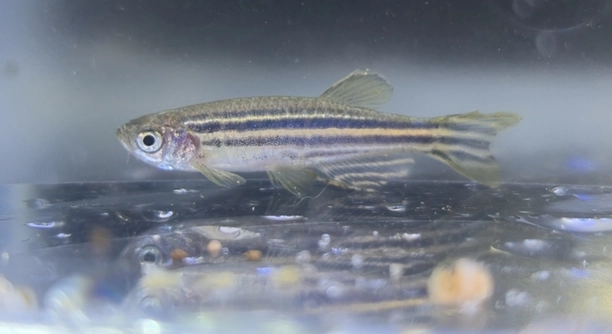
Have you ever watched your zebra danio swim alone and wondered if it’s feeling a little out of place or unhappy?
Zebra danios are social fish that thrive in groups; loneliness can lead to stress, lethargy, and changes in behavior such as hiding or reduced appetite. Recognizing these signs early helps prevent long-term health issues and emotional decline.
From changes in swimming habits to subtle shifts in interaction, understanding these signs can help you create a more comfortable and social tank environment.
Reduced Activity and Lethargy
When a zebra danio feels lonely, one of the first changes you’ll notice is a drop in its activity levels. These fish are naturally energetic and curious. They enjoy swimming around quickly and chasing one another. If your danio is spending more time still or hiding in a corner, it might be a sign that something is off. This change can be due to boredom or stress from not having companions. Unlike some fish that prefer solitude, zebra danios are schooling fish. They need others of their kind to feel secure. A lack of interaction can make them feel unsafe, causing them to slow down. If you see your fish staying away from the top of the tank or avoiding open spaces, it may be withdrawing from its environment. Always observe carefully, as physical symptoms and behavior often go hand in hand when it comes to fish wellness.
Reduced swimming, lack of excitement at feeding time, and frequent resting near the bottom are signs your zebra danio might be lonely.
Even though other conditions like poor water quality can cause similar symptoms, loneliness has its own clear patterns. If your tank conditions are good but behavior changes persist, social isolation could be the reason. Adding a few more danios can help.
Unusual Aggression Toward Tank Mates
Sometimes a lonely zebra danio may start showing signs of aggression, especially in tanks where it’s the only danio or when housed with slower species. This behavior may include chasing, fin-nipping, or generally acting more territorial. It might look like your fish is becoming mean, but it’s actually feeling stressed. Without a proper school, danios can become anxious, leading to frustrated behavior. They need similar-sized, active companions to establish a sense of order and safety. When that’s missing, their instincts get out of balance. This is not typical for a healthy, social danio. Over time, repeated signs of aggression could impact the overall peace in your tank and even harm other fish. The best solution is to increase the number of zebra danios so they can form a proper group. Usually, keeping them in groups of at least five helps reduce this issue and restores calmness.
Loss of Appetite or Disinterest in Food
A zebra danio that’s feeling lonely may start ignoring food or eating less than usual. This behavior is not always tied to illness; it can also reflect emotional stress from isolation.
When zebra danios are happy and stimulated, they show a strong response during feeding time. They swim quickly and eat with excitement. A lonely danio, however, may not react the same way. It might stay at the bottom or ignore the food altogether. This change is often gradual. You might notice leftover flakes or pellets more frequently. Since eating is an essential sign of well-being, it’s important to act quickly. Make sure water conditions are good first. If everything checks out and your fish still refuses food, it could be missing social interaction. Consider adding more zebra danios. A small school can bring out natural feeding behavior again, helping your fish feel safe and engaged.
Over time, a lack of interest in food can lead to weight loss and lower energy. This weakens the fish and makes it more vulnerable to illness. Adding more tank mates encourages competition during feeding and restores appetite. Feeding time becomes active again, which is a strong indicator that your zebra danio feels less lonely and more secure.
Erratic Swimming Patterns
Lonely zebra danios may start swimming in strange ways, such as darting around the tank or swimming in circles. These sudden shifts in behavior can be signs of stress caused by being alone. It’s a way for them to release built-up anxiety.
Unlike playful chasing, erratic swimming has a more frantic or confused feel. It may include fast starts and stops, rubbing against the glass, or staying in one area too long. These patterns often appear when a zebra danio is housed without its own kind. While water quality and tank size are always important to check, don’t overlook loneliness as a cause. Zebra danios are schooling fish and rely on social behavior to feel safe. When they can’t interact with other danios, their usual sense of order breaks down. Adding more zebra danios usually stops this behavior quickly and brings a sense of calm back to your tank.
Hiding More Than Usual
If your zebra danio is constantly hiding behind decorations or staying in shaded spots, it might be feeling uneasy due to loneliness. While occasional hiding is normal, doing it often can be a sign of stress from not having a proper social group.
Zebra danios usually stay active and swim in open spaces when they feel safe. If yours is spending more time tucked away, it could be trying to avoid interaction because it doesn’t feel secure. This often changes once more danios are added to the tank.
Less Interaction With Tank Environment
A lonely zebra danio may stop interacting with plants, decorations, or even other fish. It can seem uninterested or bored, lacking the playful curiosity zebra danios are known for. This disconnection from its surroundings often reflects social stress. These fish are very responsive to movement and tank changes. If yours is acting indifferent, that’s not a good sign. Adding more zebra danios can help bring that natural energy back. A well-sized group encourages active behavior, boosts confidence, and helps your danio feel more at ease in the tank.
Changes in Color
Stress from loneliness can cause a zebra danio’s colors to fade. Bright, vibrant stripes may turn dull or pale, especially around the fins and body. This visual change often improves once it feels more secure in a proper group.
FAQ
How many zebra danios should be kept together?
Zebra danios should be kept in groups of at least five, but six or more is better. They are schooling fish, and having a proper group helps them feel safe and act naturally. A single zebra danio often becomes stressed, withdrawn, or aggressive. When kept in a group, they swim together, playfully chase each other, and show brighter colors. Keeping too few can lead to health and behavior problems. If your tank is large enough, consider getting even more. A bigger group tends to be more stable, and your fish will look and act more relaxed.
Can zebra danios live with other types of fish instead?
They can live with other peaceful, active fish, but it’s not enough for their social needs. Even if you have guppies, tetras, or mollies in the tank, a zebra danio still needs its own kind to truly thrive. They recognize and bond best with other zebra danios. While other species may keep them slightly more entertained than being completely alone, it doesn’t fully meet their need to school. Without fellow danios, the fish may still show signs of stress, such as odd swimming patterns, hiding, or dull colors.
How can I tell if a zebra danio is stressed from being alone?
Some clear signs include reduced activity, loss of appetite, faded colors, hiding, or swimming in frantic patterns. These behaviors don’t always mean the fish is sick—it can simply be lonely. Zebra danios are highly social, and isolation affects their well-being quickly. Stress also makes them more vulnerable to disease. If you notice any of these signs and your water parameters are normal, it’s a good idea to check how many zebra danios you have. If it’s just one or two, they may need more companions.
Can I add new zebra danios to an established tank easily?
Yes, but introduce them slowly and watch for any signs of stress in both the new and old fish. Start by letting the new danios float in their bag for 15–20 minutes to match the tank temperature. Then gradually mix in small amounts of tank water before releasing them. This helps them adjust and reduces the chance of shock. Once added, zebra danios usually school together fairly quickly. They’re not known to be territorial, so most groups accept new members easily. Just make sure your tank is big enough for the new additions.
What tank size is best for a school of zebra danios?
A 20-gallon tank is a good minimum for a small school of five to six zebra danios. If you plan to keep more, go bigger. Zebra danios are fast swimmers and enjoy space to move. A longer tank works better than a tall one. Make sure there’s enough open area to swim, as well as some plants or hiding spots. Good filtration is also important, especially as the number of fish increases. Overcrowding can cause stress and affect water quality, so always balance your fish load with your tank size.
Do zebra danios get lonely if one dies?
Yes, especially if the remaining group becomes too small. Zebra danios notice when one of their group is gone. If a single fish is left behind or only two remain, they may start to show stress behaviors. It’s best to maintain at least five at all times. If you lose one, consider replacing it soon to keep the social group stable. Loneliness doesn’t just affect one fish—it can shift the whole group’s behavior. Keeping a balanced school helps reduce stress and keeps your fish healthy and active.
Final Thoughts
Zebra danios are small, active fish that need companionship to stay healthy. They are not meant to live alone, and when they do, their behavior and health can change quickly. You might see them hiding more, refusing food, swimming in strange ways, or looking less colorful. These changes can be easy to miss at first, but over time, they affect the fish’s overall well-being. Unlike some fish that prefer solitude, zebra danios rely on a group for comfort and natural interaction. Keeping them in a small school helps reduce stress and allows them to express their normal behaviors like chasing, schooling, and exploring the tank.
Watching your zebra danio closely is important. If you notice unusual behavior and your water conditions are stable, think about how many zebra danios are in the tank. Many problems that seem like illness are actually signs of stress caused by loneliness. The good news is that this is often easy to fix. Simply adding a few more zebra danios can make a big difference. A proper group makes them feel safe and helps them return to healthy habits like eating well, staying active, and showing their true colors. This kind of social balance is key to keeping them happy.
Caring for zebra danios isn’t just about clean water and good food. It’s also about meeting their emotional and social needs. These small fish are more complex than they seem. When you provide a proper group and a stable environment, they can thrive. A happy danio is one that swims freely, interacts with others, and eats with energy. Taking time to understand what your fish needs will help you spot problems early and make changes that improve their life. Whether you’re new to fishkeeping or have had danios for a while, making sure they aren’t lonely is one of the most important parts of their care. It’s a simple step that leads to healthier, more active fish.

Hello,
If you enjoy the content that we create, please consider saying a "Thank You!" by leaving a tip.
Every little bit helps us continue crafting quality advice that supports the health, happiness, and well-being of pets around the world, for pets of all shapes, sizes, and species.
We really appreciate the kindness and support that you show us!