
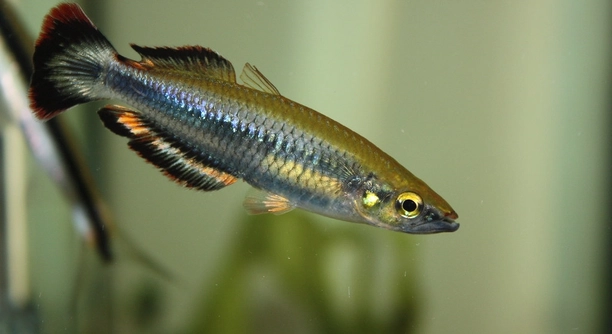
Have you ever noticed your fish behaving differently in the tank, seeming less active or a bit off? Observing small changes in their movement and appearance can be the first hint that water quality may be a concern.
Poor water quality can harm fish in multiple ways, including stress, disease, and stunted growth. High ammonia, nitrite, or nitrate levels, improper pH balance, and low oxygen can all negatively affect fish health and longevity in aquariums.
Recognizing the early signs of water issues can prevent serious problems and help your fish thrive in a healthier environment.
Cloudy or Discolored Water
Sometimes the water in your tank may look cloudy or have a strange color. This usually means particles, leftover food, or waste are building up. Over time, this can create an unsafe environment for fish. Cloudy water often develops quickly, especially if the tank is overstocked or the filter isn’t working properly. Even a slight discoloration can indicate changes in water chemistry that need attention. Keeping the water clear is important not just for appearance but for fish health. Regular water changes, cleaning the substrate, and monitoring the filter can prevent problems before they become serious. Observing your tank daily helps catch subtle shifts in clarity and color. Water that appears greenish often signals algae growth, while a brownish tint may point to decaying plant matter. Both conditions can harm fish if left unchecked. Paying attention to these visual signs can save your fish from stress and illness.
Cloudy water often shows a lack of proper filtration or excessive waste buildup in the tank.
Maintaining clear water involves regular care and monitoring. Clean the filter frequently and remove uneaten food. Avoid overfeeding, and keep the tank balanced with appropriate plant life. Testing water regularly for ammonia, nitrites, and nitrates helps ensure fish stay healthy. Small changes in water clarity often precede more serious issues, making early action vital. A clear tank reflects good water conditions and a healthier environment, helping your fish thrive. Keeping the tank clean also reduces the risk of disease and keeps your fish more active and colorful. Regular attention prevents the tank from becoming overwhelming and keeps maintenance manageable over time. Proper water circulation and aeration further support clarity and oxygen levels. Even minor adjustments in care routines can produce noticeable improvements. Observing how fish respond after cleaning or water changes offers clues about their wellbeing. With consistent monitoring and care, maintaining clear water becomes a straightforward part of fishkeeping rather than a challenge.
Unusual Fish Behavior
Fish may act differently if water quality is low. You might notice them hiding, gasping at the surface, or swimming erratically. Changes in routine behavior are often the first signs of stress. Fish are sensitive to oxygen levels, temperature fluctuations, and chemical imbalances. When water contains high ammonia or nitrite, even slight exposure can make fish sluggish or anxious. Observing how fish interact with each other and their environment can give clues about their comfort level. Some species are naturally active, while others prefer calm hiding spots, so knowing your fish helps detect abnormal behavior. Fish that suddenly lose appetite, scrape against surfaces, or show rapid gill movement may be struggling. Addressing water quality immediately can prevent long-term harm. Regular water testing, maintaining correct temperature, and ensuring proper filtration are essential to stabilize their habitat.
Unusual behavior often reflects poor water conditions rather than illness alone.
Monitoring behavior closely allows you to catch water problems early. Fish gasping at the surface may indicate low oxygen, while hiding or lethargy points to stress. Rapid swimming or clamped fins can signal chemical imbalances. Immediate action, such as partial water changes, can reduce harmful compounds. Adjusting feeding routines and checking for decaying plants also helps improve water quality. Sometimes, simply increasing aeration or cleaning the tank makes a noticeable difference in activity levels. Observing patterns over several days gives a clearer picture than a single incident. Taking these steps ensures fish remain active and healthy. Consistency in tank maintenance builds a more stable environment, reducing stress and disease risk. Careful attention to their behavior can prevent issues from escalating and keeps your fish thriving in a safer, cleaner tank.
Foul Smell in the Tank
A strong or unpleasant odor usually signals waste buildup or decaying organic matter. This can make the water unsafe and stressful for fish. Regular cleaning and water changes help prevent these odors from developing and protect fish health.
Fish produce waste continuously, and leftover food or dead plant material can quickly accumulate, causing a foul smell. Ammonia and nitrite levels rise when waste is not removed, which can be harmful even at low concentrations. A tank that smells bad often indicates that filtration is insufficient or that water changes are overdue. Removing debris, cleaning the substrate, and ensuring the filter is functioning properly can reduce the smell and improve overall water quality. Ignoring odors can lead to sickness, so monitoring the tank regularly is crucial. Keeping the tank fresh not only benefits the fish but also creates a more pleasant environment overall.
Addressing foul smells requires consistency. Partial water changes, careful cleaning, and maintaining a balanced feeding routine prevent buildup. Checking filter media and replacing it as needed keeps the system efficient. Smell can return quickly if maintenance is skipped, so staying on top of routine care ensures a healthier habitat. Proper aeration and occasional vacuuming of the substrate also reduce odor. Observing water quality indicators along with smell provides a clearer picture of tank health. Consistent attention helps fish remain active, vibrant, and less stressed, avoiding long-term water issues.
Sudden Fish Deaths
Unexpected fish deaths often point to poor water conditions or toxins. These events can happen quickly if ammonia or nitrite spikes occur, stressing the fish beyond recovery. Observing changes before mortality helps prevent further loss.
Sudden deaths can result from chemical imbalances, oxygen depletion, or disease. High ammonia or nitrite levels are particularly dangerous, as they can affect gill function and overall metabolism. Even minor changes in water parameters can be fatal if unnoticed. Fish may show subtle signs of distress, such as erratic swimming or loss of appetite, before dying. Regular testing of water parameters, consistent filtration, and careful feeding routines reduce the risk of unexpected fatalities. Monitoring tank conditions daily allows for quick action when problems arise.
Preventing sudden deaths requires proactive care. Maintain stable temperature, test ammonia, nitrite, and nitrate levels frequently, and perform partial water changes as needed. Overcrowding should be avoided to reduce stress and competition for oxygen. Introducing new fish gradually and quarantining them prevents disease spread. A well-maintained tank with consistent observation minimizes the risk of unexplained mortality. Even minor adjustments in tank management, like adding aeration or trimming decaying plants, improve survival rates. Promptly removing deceased fish and treating the water prevents contamination. Keeping a routine schedule ensures a safer, healthier environment for all fish.
Algae Overgrowth
Excessive algae growth can indicate too much light or high nutrient levels in the water. It competes with fish for oxygen and can make the tank unhealthy. Regular maintenance helps control algae and keeps the water balanced.
Algae can cover plants, decorations, and the tank walls, reducing visibility and affecting fish behavior. Overfeeding and infrequent water changes contribute to its growth. Removing algae manually and adjusting lighting schedules helps maintain a cleaner tank and healthier fish.
Floating or Gasping Fish
Fish that float near the surface or gasp frequently may be struggling with low oxygen levels or poor water quality. Ensuring proper aeration and circulation helps maintain safe oxygen concentrations, reducing stress and supporting normal fish activity.
Faded Colors
Fish with dull or faded colors often reflect stress from water problems or inadequate nutrition. Vibrant colors usually indicate good health and stable water conditions, while fading signals a need for immediate attention and care.
What are the most common signs of poor water quality in a fish tank?
The most noticeable signs include cloudy or discolored water, foul smells, unusual fish behavior, and algae overgrowth. Fish may hide excessively, gasp at the surface, or show faded colors. Sudden fish deaths are also a clear indication that something in the water is unsafe. Observing these signs early allows you to address water issues before serious harm occurs. Regular monitoring of water clarity, odor, and fish activity is key to maintaining a healthy tank.
How often should I test my aquarium water?
Testing should be done at least once a week for ammonia, nitrites, nitrates, and pH levels. Frequent testing helps catch problems before they affect fish health. Some tanks with heavy fish loads or frequent feeding may need testing more often. Using simple test kits provides reliable results. Keeping a log of water parameters makes trends easy to see. Adjustments can then be made quickly. Consistent testing reduces stress and prevents potential illnesses caused by sudden chemical spikes.
What can cause cloudy or discolored water?
Cloudiness usually occurs from suspended particles like leftover food, fish waste, or decaying plants. Bacterial blooms can also make water appear milky. A malfunctioning or clogged filter can worsen the problem. Overfeeding often contributes to water discoloration and poor clarity. Cleaning the tank, performing partial water changes, and maintaining a functioning filter usually restore clear water. Controlling light exposure and monitoring nutrient levels helps prevent recurring algae-related discoloration. Observation over several days shows whether the water is stabilizing or if further adjustments are needed.
Why do my fish gasp at the surface?
Gasping is often a sign of low oxygen or high levels of toxic chemicals like ammonia or nitrites. Overcrowding and stagnant water reduce oxygen circulation. Aerators, proper filtration, and regular water changes improve oxygen levels. Observing fish behavior along with testing water helps determine whether the issue is oxygen-related or chemical. Correcting these problems quickly reduces stress and prevents long-term health issues. Aeration devices or rearranging plants for better water flow can make a significant difference in fish comfort.
How do I control algae overgrowth?
Algae grows when there is too much light or excessive nutrients in the water. Reducing light exposure to 6–8 hours daily, avoiding overfeeding, and cleaning decorations and surfaces help control it. Adding live plants can compete with algae for nutrients, slowing its growth. Removing algae manually and ensuring proper water circulation further limits buildup. Consistent maintenance prevents algae from overtaking the tank. Algae-eating fish or snails can help, but they are not a replacement for proper water care.
What should I do if fish suddenly die?
Immediate action includes removing the dead fish, testing water parameters, and performing a partial water change. Check ammonia, nitrite, nitrate, and pH levels to identify potential causes. Overcrowding, temperature swings, or contaminated food may also contribute. Quarantining new fish before adding them prevents disease spread. Observing remaining fish closely helps determine whether further action is needed. Maintaining a regular cleaning and testing routine reduces the chances of repeated sudden deaths.
How can I keep fish colors vibrant?
Vibrant colors indicate good health and stable water conditions. Proper nutrition, including a varied diet rich in natural pigments, supports color. Maintaining balanced water parameters, stable temperature, and minimal stress ensures colors remain bright. Avoid overcrowding and provide hiding spaces for comfort. Regular water changes and a clean environment prevent stress-induced fading. Watching fish respond after water adjustments or feeding changes helps track improvements. Proper care creates natural color enhancement over time.
Are water conditioners necessary?
Water conditioners help neutralize chlorine, chloramines, and heavy metals present in tap water. Using them during water changes prevents chemical stress that can harm fish. Conditioners also bind harmful compounds temporarily, allowing beneficial bacteria to break them down safely. While not always mandatory, they simplify maintaining a safe environment, especially for sensitive species. Regular use during every water change reduces the risk of water-related illness.
How can I prevent poor water quality in the future?
Regular maintenance is essential. Perform weekly partial water changes, monitor water parameters, and clean the tank and filter as needed. Avoid overfeeding and overstocking. Observe fish behavior daily for early signs of stress. Proper aeration and adequate filtration support a stable, healthy habitat. Keeping records of water tests helps identify trends and allows quick action. Prevention through consistent care is more effective than correcting problems after damage occurs.
Maintaining good water quality is one of the most important aspects of keeping fish healthy. Fish rely entirely on their environment, so even small changes in water chemistry can cause stress or illness. Clear, clean water helps fish breathe properly, supports their immune system, and allows them to display natural behaviors and colors. Regular monitoring of water parameters such as ammonia, nitrite, nitrate, and pH ensures a stable environment. Observing fish daily also provides early clues to potential problems. Paying attention to water clarity, smell, and fish activity helps prevent serious issues before they become harmful. A tank that is well cared for reflects careful management and reduces the risk of disease, sudden deaths, or poor growth among fish.
Routine maintenance is key to keeping a balanced aquarium. Partial water changes remove waste and reduce the buildup of harmful chemicals, while cleaning the substrate and filter ensures debris does not accumulate. Overfeeding is a common mistake that negatively affects water quality, as leftover food decomposes and produces ammonia. Using proper feeding techniques and adjusting the amount based on fish needs can prevent this problem. Algae management, controlling light exposure, and providing live plants also contribute to maintaining a healthier ecosystem. Simple steps like aeration and proper water circulation can make a noticeable difference in oxygen levels and overall water quality. By establishing consistent care routines, the tank becomes a stable and comfortable environment for fish, minimizing stress and encouraging natural behavior.
Understanding the signs of poor water quality empowers fishkeepers to take prompt action. Observing changes in fish behavior, such as hiding, gasping, or dull colors, signals that attention is needed. Cloudy water, foul smells, and sudden fish deaths indicate more urgent problems requiring immediate measures like water testing and partial changes. Being proactive helps avoid long-term damage and ensures fish live longer, healthier lives. Consistency in monitoring, maintenance, and feeding practices creates a reliable habitat where fish can thrive. Over time, these habits not only improve water quality but also reduce the effort needed to manage the aquarium. Caring for fish in this way supports their wellbeing and makes fishkeeping a more rewarding and successful experience.

Hello,
If you enjoy the content that we create, please consider saying a "Thank You!" by leaving a tip.
Every little bit helps us continue crafting quality advice that supports the health, happiness, and well-being of pets around the world, for pets of all shapes, sizes, and species.
We really appreciate the kindness and support that you show us!